How to Tone Your Tummy: The Real Science Behind Flat Abs
Tummy Toning & Protein Intake Calculator
Calculate your daily protein requirements to support muscle growth and fat loss, and estimate a realistic timeline for seeing visible core definition based on consistency.
You’ve probably scrolled through social media and seen those perfectly sculpted midsections. It’s easy to think that getting a toned tummy is just about doing endless crunches in your living room. But here’s the hard truth: you cannot spot-reduce fat. Doing five hundred sit-ups won’t burn the fat covering your stomach if the rest of your body holds onto it. So, how do you actually get there? It comes down to a boring but effective combination of nutrition, full-body strength training, and specific core work.
Let’s cut through the noise. I’m going to show you exactly what works based on exercise physiology and real-world results, not fitness fads. We’ll look at why your diet matters more than your workout for this specific goal, which exercises actually build visible muscle, and how to avoid the mistakes that keep most people stuck with a soft midsection.
The Myth of Spot Reduction
First, we need to address the elephant in the room: spot reduction. This is the idea that you can choose where your body loses fat by exercising that specific area. If you want smaller arms, you lift weights. If you want a flatter tummy, you do ab exercises. Sounds logical, right? Unfortunately, biology doesn’t work that way.
When your body needs energy, it pulls from fat stores all over your system. Genetics largely decide which areas go first and which hold on tightest. For many people, the abdomen is one of the last places fat leaves. This is frustrating, but understanding it saves you months of wasted effort. Instead of focusing solely on your abs, you need to lower your overall body fat percentage while simultaneously building the muscle underneath.
Can I lose belly fat just by doing crunches?
No. Crunches strengthen the abdominal muscles, but they do not burn the fat covering them. To see those muscles, you must reduce overall body fat through a calorie deficit and full-body exercise.
Nutrition: The Foundation of a Toned Core
If exercise is the engine, nutrition is the fuel. You can have the strongest core in the world, but if it’s covered by a layer of adipose tissue, it won’t look "toned." A toned appearance requires low enough body fat to reveal muscle definition. For most women, this means reaching around 18-22% body fat; for men, it’s closer to 10-14%. These numbers vary by individual, but the principle remains the same.
To drop body fat, you need a slight caloric deficit. This doesn’t mean starving yourself. Starvation slows down your metabolism and causes your body to hold onto every gram of fat as a survival mechanism. Instead, aim for a modest deficit of 300-500 calories per day below your maintenance level. This allows for steady fat loss without losing precious muscle mass.
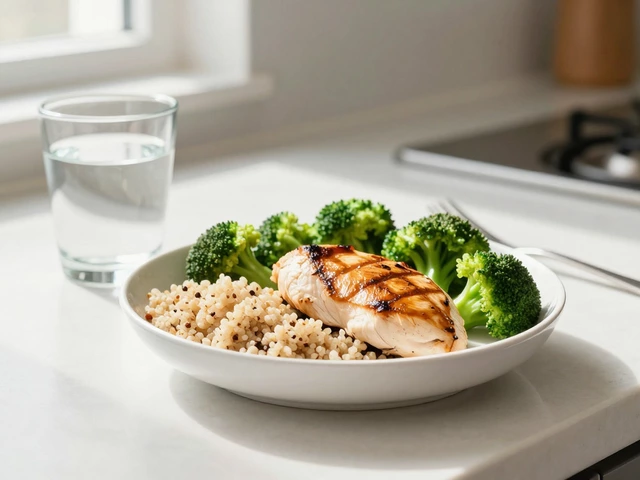
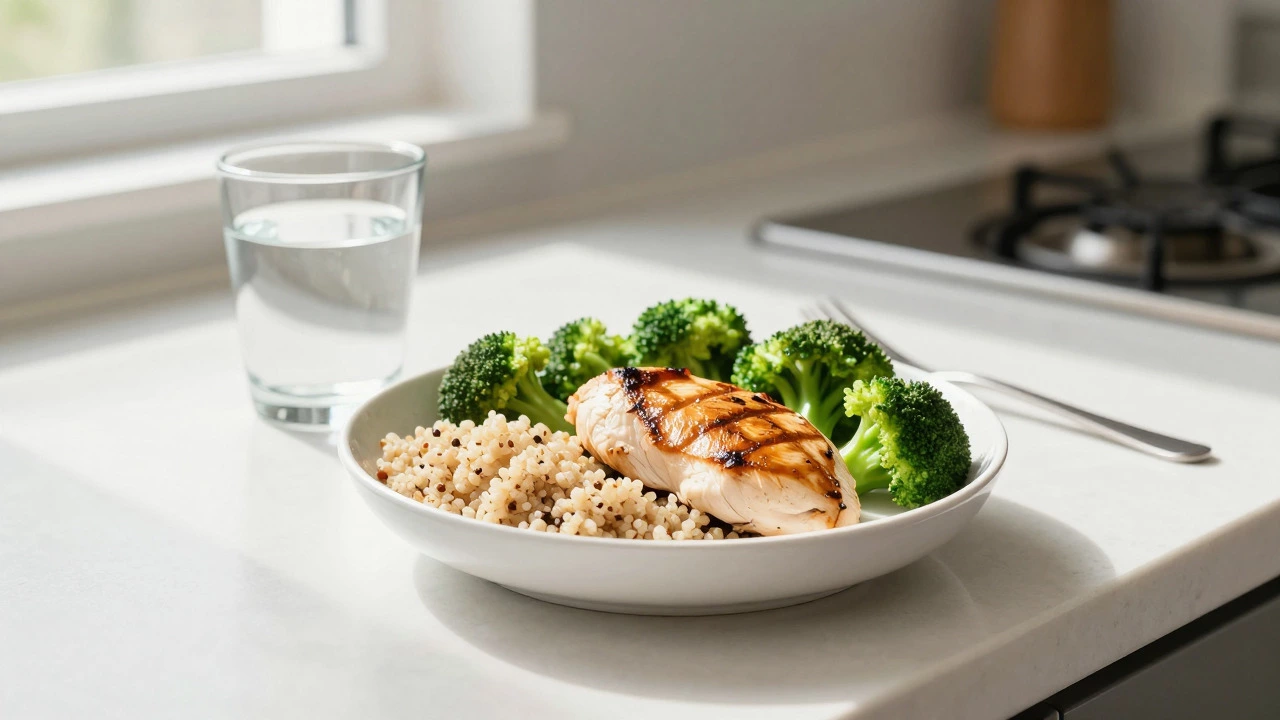
Protein intake is critical here. When you’re in a calorie deficit, your body might break down muscle for energy. Eating adequate protein protects your muscle tissue. Aim for 1.6 to 2.2 grams of protein per kilogram of body weight daily. Include lean sources like chicken breast, fish, tofu, Greek yogurt, and legumes in every meal. Protein also keeps you fuller longer, making it easier to stick to your calorie goals without feeling deprived.
Don’t ignore fiber either. Soluble fiber, found in oats, flaxseeds, and Brussels sprouts, helps reduce visceral fat-the dangerous fat stored deep within the abdomen around your organs. It also aids digestion, reducing bloating that can make your tummy look larger than it is.
Strength Training: Building the Muscle
Once you’re eating right, you need to build the actual muscle. "Toning" is just a layperson’s term for building muscle while losing fat. You need hypertrophy (muscle growth) in the abdominal region to create that firm, defined look.
However, don’t just stick to basic crunches. The abdominals are complex. They include the rectus abdominis (the six-pack muscles), the external and internal obliques (the sides), and the transverse abdominis (the deep corset-like muscle). To tone your entire tummy, you need to target all of these layers.
Incorporate compound movements into your routine. Squats, deadlifts, overhead presses, and pull-ups engage your core heavily because your abs act as stabilizers. These exercises recruit more muscle fibers than isolation moves alone, boosting your metabolism and helping you burn more calories even at rest.
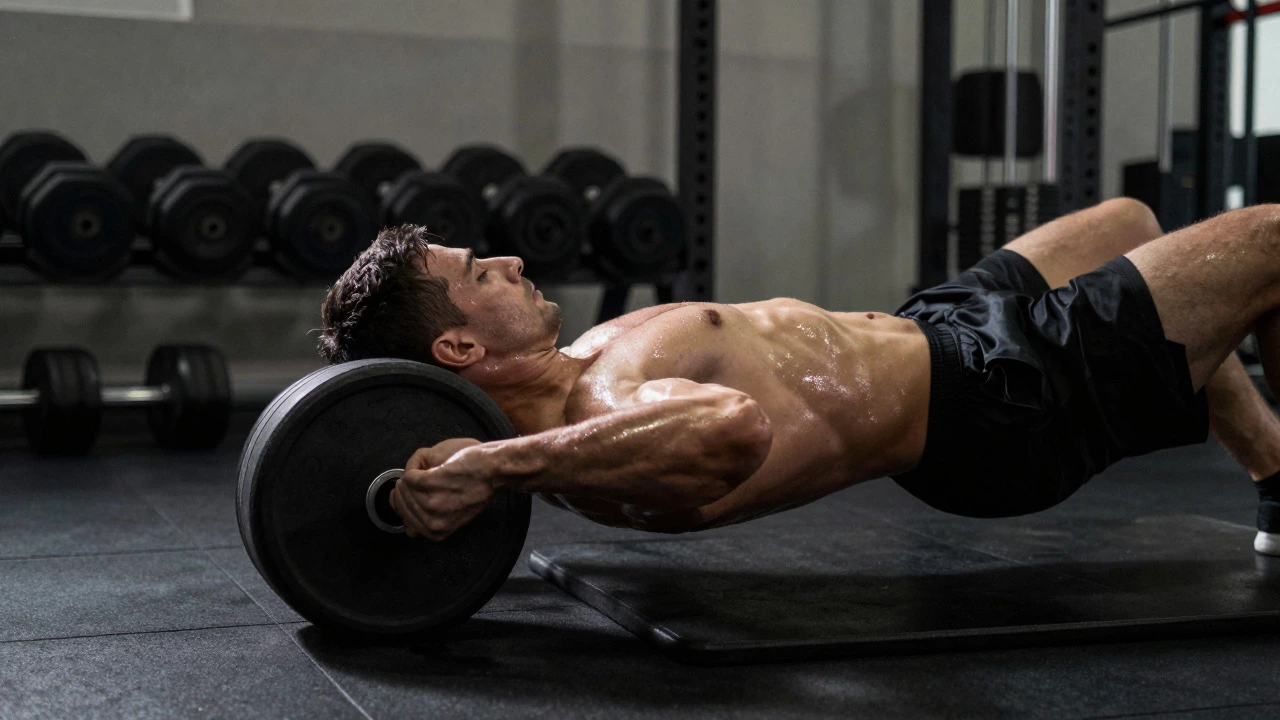
For direct ab work, focus on progressive overload. Just like you would increase weight on a bicep curl, you need to make your ab exercises harder over time. Add weight, increase reps, or slow down the tempo. Here are four essential movements:
- Hanging Leg Raises: Targets the lower rectus abdominis. Keep your legs straight and lift until they are parallel to the floor. Avoid swinging.
- Cable Woodchoppers: Hits the obliques. Rotate your torso against resistance, mimicking a chopping motion. This builds the V-taper look.
- Planks with Weight: Strengthens the transverse abdominis. Place a weight plate on your back during a standard plank to increase intensity.
- Ab Wheel Rollouts: One of the best exercises for overall core tension. Start on your knees and roll out as far as you can control, then pull back using your abs, not your hips.
Cardio: The Fat-Burning Tool
Cardiovascular exercise helps create the calorie deficit needed for fat loss. But not all cardio is created equal when it comes to preserving muscle. Long-distance running at a moderate pace can sometimes lead to muscle breakdown if you’re not careful with your nutrition.
High-Intensity Interval Training (HIIT) is often more efficient for toning. HIIT involves short bursts of intense effort followed by brief recovery periods. A typical session might involve 30 seconds of sprinting followed by 60 seconds of walking, repeated for 15-20 minutes. This type of training boosts your metabolic rate for hours after the workout, a phenomenon known as Excess Post-exercise Oxygen Consumption (EPOC).
Low-Intensity Steady State (LISS) cardio, like brisk walking or cycling, is also valuable. It’s less stressful on the body and can be done more frequently. If you’re lifting heavy weights, adding 30-45 minutes of LISS on off-days can help burn extra calories without hindering recovery.
| Type | Duration | Intensity | Best For |
|---|---|---|---|
| HIIT | 15-20 mins | High (80-95% max heart rate) | Rapid fat loss, time efficiency |
| LISS | 30-60 mins | Low-Moderate (60-70% max heart rate) | Recovery days, consistent calorie burn |
Lifestyle Factors: Sleep and Stress
You can eat perfectly and train hard, but if you’re sleeping four hours a night and stressed out, your progress will stall. Why? Cortisol. This stress hormone promotes fat storage, particularly in the abdominal area. Chronic stress keeps cortisol levels elevated, signaling your body to hold onto belly fat.
Sleep deprivation has a similar effect. When you don’t sleep enough, your hunger hormones go haywire. Ghrelin (which makes you hungry) increases, and leptin (which tells you you’re full) decreases. You’ll crave sugary, high-calorie foods and feel less motivated to exercise. Aim for 7-9 hours of quality sleep per night. Treat sleep as part of your training regimen, not an afterthought.
Hydration plays a role too. Sometimes what looks like stubborn belly fat is actually water retention. Drinking enough water helps flush out excess sodium and reduces bloating. Aim for at least 2-3 liters of water daily, more if you’re sweating heavily during workouts.

Common Mistakes to Avoid
Avoid these pitfalls that sabotage most people’s efforts:
- Overdoing Isolation Exercises: Spending an hour a day on crunches neglects the bigger muscle groups that drive metabolism. Prioritize compound lifts.
- Ignoring Form: Poor form leads to injury and ineffective workouts. Quality over quantity always wins.
- Expecting Overnight Results: Body composition changes take time. Consistency over months yields results, not weeks.
- Drinking Calories: Sugary drinks, alcohol, and fancy coffees add up quickly. Stick to water, black coffee, or unsweetened tea.
- Comparing Yourself to Others: Genetics dictate where you store fat and how your abs look. Focus on your own progress.
Creating a Sustainable Routine
Here’s a sample weekly structure to guide you:
- Monday: Full-body strength training + 10 mins core work
- Tuesday: HIIT session (20 mins)
- Wednesday: Active recovery (walking, yoga) + light core activation
- Thursday: Upper/Lower split strength training + 10 mins core work
- Friday: LISS cardio (30-45 mins)
- Saturday: Fun activity (hiking, sports) or rest
- Sunday: Rest and meal prep
Remember, consistency is key. Missing one workout won’t ruin your progress, but missing ten will. Listen to your body, adjust as needed, and stay patient. A toned tummy isn’t a quick fix; it’s a reflection of a healthy, balanced lifestyle.
How long does it take to see results?
Visible changes typically appear after 8-12 weeks of consistent diet and exercise. However, you may feel stronger and notice clothing fit better sooner.
Is it better to fast or eat small meals?
Both can work. Intermittent fasting helps some people control calories, while frequent small meals keep others satisfied. Choose what fits your lifestyle and ensures you hit your protein goals.
Do I need supplements?
No. Supplements are optional. Focus on whole foods first. Whey protein or creatine can help, but they aren’t magic pills for toning your tummy.
Why am I losing weight but my belly stays the same?
This is common due to genetics. Abdominal fat is often the last to go. Stay consistent with your deficit and strength training; it will eventually decrease.
Can posture affect how my tummy looks?
Yes. Anterior pelvic tilt can make your belly protrude. Strengthening your glutes and hamstrings while stretching your hip flexors can improve posture and flatten your appearance instantly.