What Are Equipment Examples in Sports? A Practical Guide to Common Gear
Sports Equipment Selector
Find Your Essential Equipment
Select your sport and skill level to see what equipment you really need.
Essential Equipment
Select your sport and skill level to see equipment recommendations
Safety Tip
Always check for proper fit and safety certifications before using equipment.
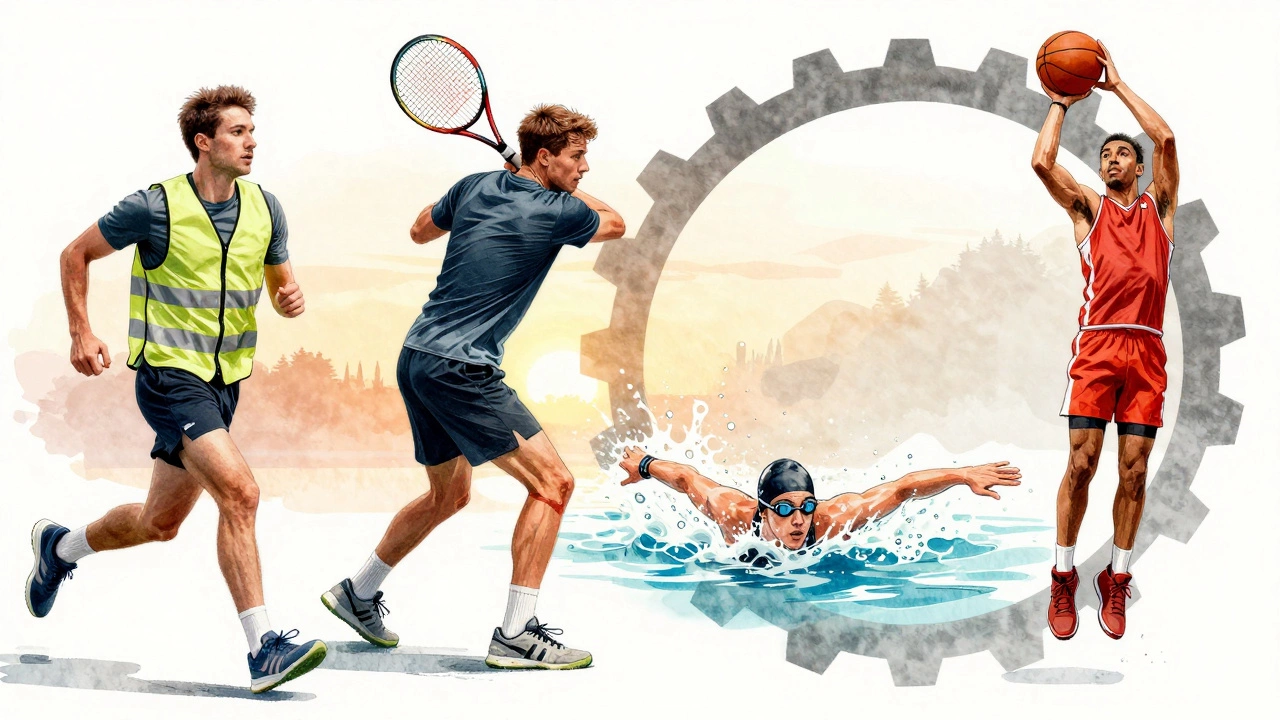
When you think of sports, you probably picture athletes in motion - sprinting, swinging, diving, tackling. But none of that happens without the right gear. Sports equipment isn’t just stuff you buy at a store; it’s the bridge between skill and performance. Without the right equipment, even the most talented player can’t play safely or effectively.
What Counts as Sports Equipment?
Sports equipment includes anything you use to play, train, or protect yourself during physical activity. It’s not just the big items like bats or balls. It’s also the small, often overlooked things like wristbands, mouthguards, or cleat spikes. The right equipment helps you perform better, stay safe, and enjoy the game longer.
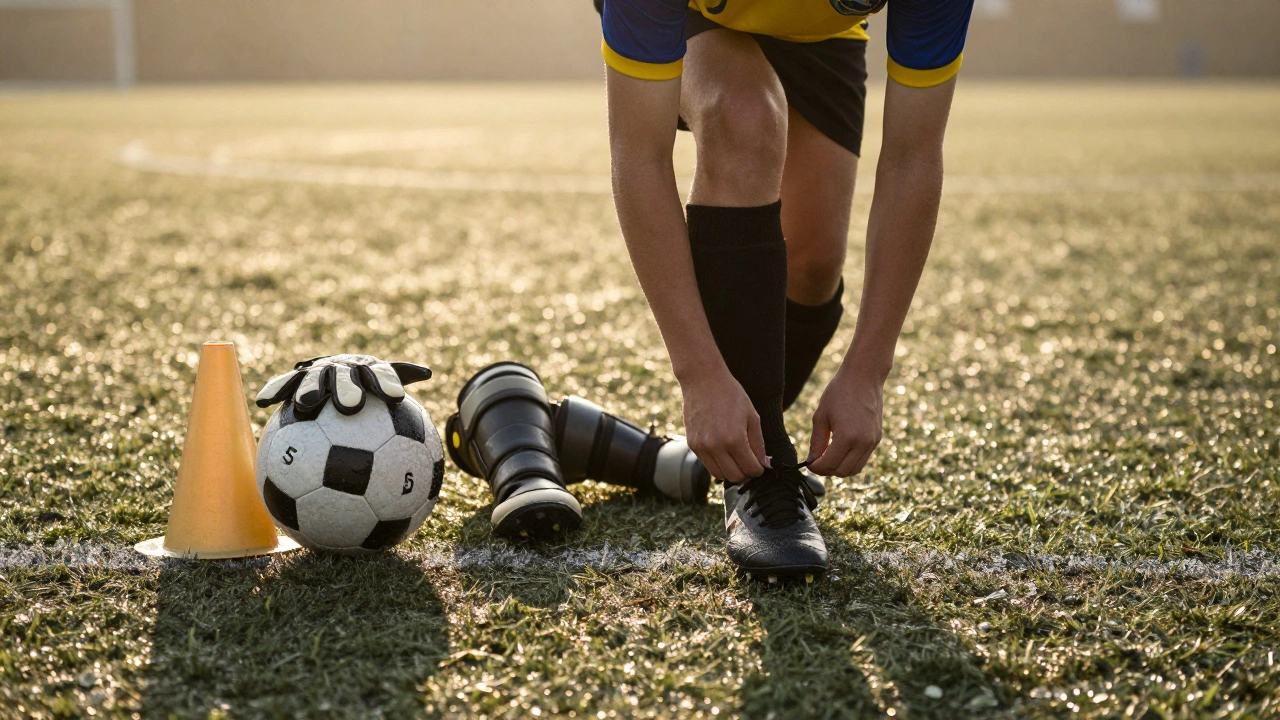
Take soccer. You can’t play without cleats, shin guards, and a ball. But you also need a goalkeeper’s gloves if you’re in goal, and maybe a training cone or a rebounder if you’re practicing alone. Each piece has a job. And that’s true across every sport.
Equipment Examples by Sport
Let’s break it down by popular sports. Here’s what you’ll actually find on the field, court, or pool.
Soccer
- Cleats - Rubber or metal studs for grip on grass or turf
- Shin guards - Hard plastic or foam padding to protect the shins
- Soccer ball - Size 5 for adults, size 4 for youth
- Goalkeeper gloves - Grippy palms for catching and punching
- Jersey and shorts - Moisture-wicking fabric to keep players dry
- Training cones - Used for drills and agility work
Basketball
- Basketball - Size 7 for men, size 6 for women
- Basketball shoes - High-top design for ankle support
- Backboard and hoop - Standard height is 10 feet
- Compression sleeves - Support for arms and knees
- Ball pump and needle - Keeps the ball at proper pressure (7.5-8.5 PSI)
Tennis
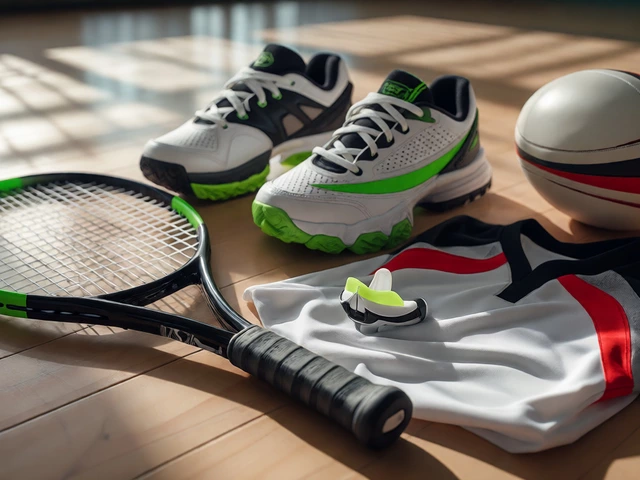
- Tennis racket - Weight between 270-310 grams, head size 95-110 sq in
- Tennis balls - Pressurized, felt-covered, yellow for visibility
- Tennis shoes - Non-marking soles with lateral support
- Overgrip tape - Adds cushion and sweat absorption to the handle
- Ball machine - Used for solo practice, fires balls at set speeds
Running
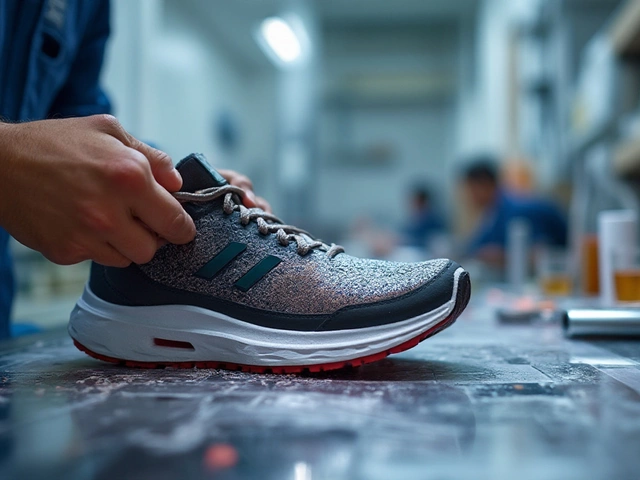
- Running shoes - Cushioned soles, lightweight, designed for heel-to-toe motion
- Moisture-wicking socks - Prevent blisters by pulling sweat away
- Running watch - Tracks pace, distance, heart rate
- Hydration belt or vest - Holds water for runs longer than 5K
- Reflective vest or armband - Essential for low-light conditions
Swimming
- Swimsuit - Competitive suits are made of polyurethane or nylon for reduced drag
- Goggles - Anti-fog, UV-resistant lenses
- Swim cap - Silicone or latex to reduce drag and keep hair out of the face
- Kickboard - Foam board for leg drills
- Pull buoy - Placed between thighs to isolate arm strokes
- Finns - Help build leg strength and improve ankle flexibility
Baseball/Softball
- Baseball bat - Aluminum or composite, length 31-34 inches
- Baseball glove - Pocket size varies by position (catcher’s mitt is largest)
- Helmet - Must meet NOCSAE safety standards
- Baseball - 9 inches in circumference, leather cover
- Batting gloves - Improve grip and reduce vibration
- Baseball cleats - Metal or molded spikes for traction on dirt and grass
Why Equipment Matters More Than You Think
It’s easy to think, “I’ll just use whatever I’ve got.” But bad gear doesn’t just limit performance - it increases injury risk.
Wearing old running shoes with worn-out soles? You’re putting extra stress on your knees and ankles. Playing tennis with a racket that’s too heavy? You could develop tennis elbow. Skipping shin guards in soccer? You’re one misplaced kick away from a fracture.
A 2023 study by the American College of Sports Medicine found that athletes using properly fitted equipment reduced injury rates by up to 40% compared to those using ill-fitting or outdated gear. That’s not a small number. It’s the difference between staying in the game and sitting on the bench.
Equipment isn’t just about buying the latest brand. It’s about matching the tool to your body, your sport, and your level. A beginner doesn’t need a $300 racket. A youth player doesn’t need a full-size baseball glove. And no one needs hand-me-down cleats that don’t fit.
How to Choose the Right Equipment
Here’s a simple way to pick gear that actually works:
- Know your sport’s rules - Some leagues require specific gear (e.g., hockey helmets, boxing gloves of certain weight).
- Get fitted - Shoes, gloves, and pads should feel snug but not tight. Walk, run, or move in them before buying.
- Check for safety certifications - Look for labels like NOCSAE (football, baseball), CE (Europe), or ASTM (general sports safety).
- Match gear to your skill level - Beginners benefit from forgiving, lighter gear. Advanced players can handle stiffer, heavier equipment.
- Replace worn items - Running shoes last 300-500 miles. Tennis strings lose tension after 20-40 hours of play. Don’t wait for them to break.
Common Mistakes People Make
Even smart athletes mess up with gear. Here are the top three mistakes:
- Buying based on brand, not function - Just because LeBron wears a shoe doesn’t mean it’s right for your foot shape or running style.
- Ignoring fit - A helmet that’s too loose won’t protect you. Gloves that are too big won’t give you control.
- Using the same gear for multiple sports - Basketball shoes aren’t made for running long distances. Tennis shoes don’t offer enough ankle support for soccer.
There’s no shortcut: gear needs to be chosen with care. You wouldn’t drive a car with bald tires. Don’t play sports with worn-out gear.
Where to Buy and What to Avoid
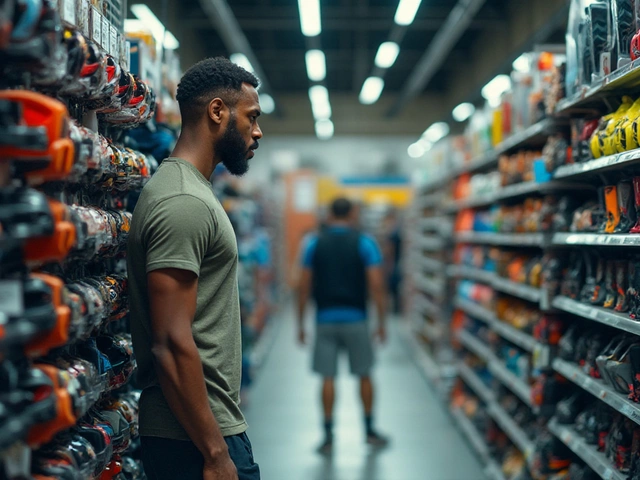
You can find sports equipment everywhere - big-box stores, online retailers, specialty shops. But not all sources are equal.
Specialty stores like Running Warehouse, Tennis Warehouse, or local sports shops often have staff who actually play the sport. They can help you match gear to your needs. Big retailers might have lower prices, but you’re on your own.
Avoid:
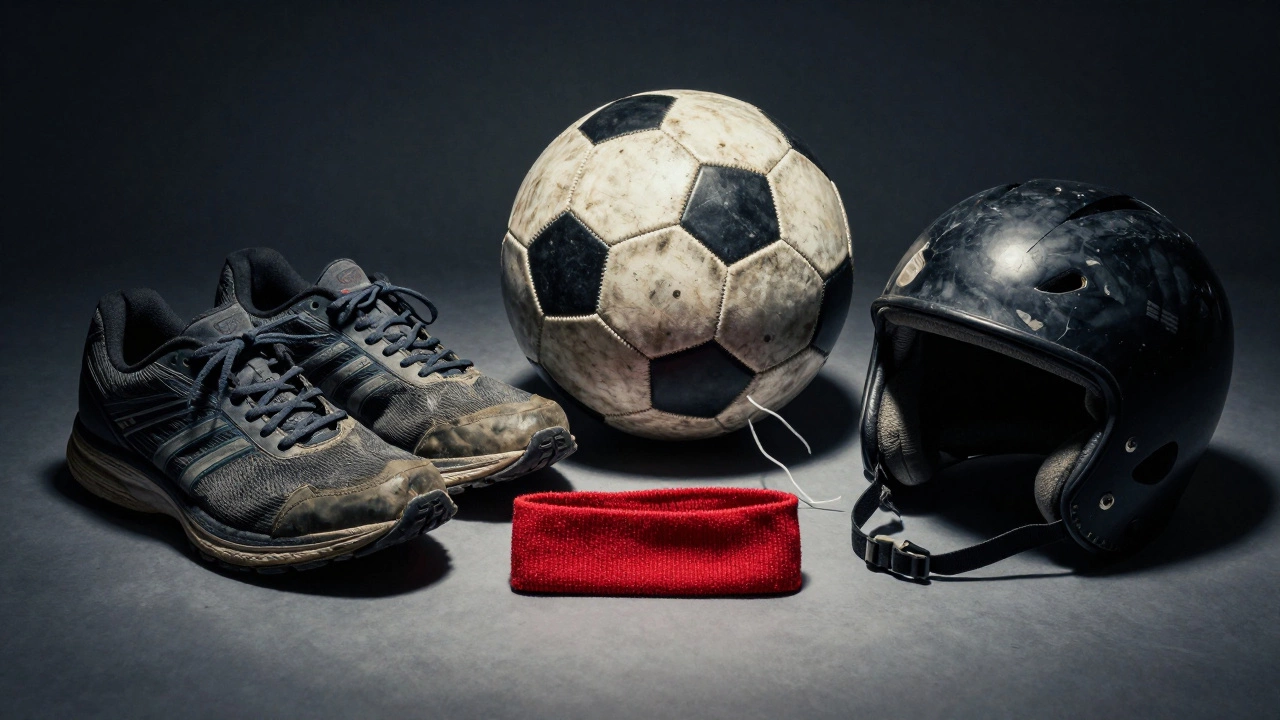
- Counterfeit gear (especially shoes and helmets)
- Used gear with visible damage (cracked helmets, torn padding)
- Items without brand labels or safety certifications
If it looks too cheap, it probably is. And if it doesn’t have a brand name or safety mark, it’s not worth the risk.
Final Thought: Gear Is Part of Your Training
Sports equipment isn’t an afterthought. It’s a core part of your preparation. Just like you train your body, you need to train your gear - by maintaining it, replacing it, and choosing it wisely.
Whether you’re a kid starting out or an adult playing weekend pickup, the right equipment makes the game safer, more enjoyable, and more effective. Don’t just grab anything. Think about what you’re using - and why.
What are the most essential pieces of sports equipment for beginners?
For any beginner, the essentials are sport-specific shoes, protective gear (like shin guards or helmets), and the main tool of the sport - a ball, racket, or bat. Don’t overbuy. Start with the basics that meet safety standards and fit properly. You can upgrade later.
Can I use the same equipment for multiple sports?
Sometimes, but rarely safely. Running shoes aren’t designed for lateral movement in basketball. Soccer cleats lack ankle support for football. Using gear outside its intended purpose increases injury risk. Stick to sport-specific equipment.
How do I know when to replace my sports equipment?
Look for signs of wear: cracked soles on shoes, frayed strings on rackets, loose padding in helmets, or faded grip on handles. Running shoes should be replaced every 300-500 miles. Tennis strings lose tension after 20-40 hours of play. If it feels off or looks damaged, replace it.
Is expensive sports equipment always better?
Not necessarily. High-end gear often offers advanced features like lighter weight or better cushioning, but beginners don’t need them. A $50 beginner racket performs just fine if it’s the right size and weight. Focus on fit and function, not price tags.
Do I need special equipment for kids?
Yes. Kids’ bodies are still growing, so gear needs to match their size and strength. Use smaller bats, lighter rackets, and properly fitted helmets. Many brands make youth-specific versions - check for age or size labels like "U12" or "Junior".