How to Start a Gym Routine: A Simple Step-by-Step Guide for Beginners
Gym Progress Tracker
Start Small, Track Consistently
Track your progress in small, consistent steps. The article says: "Write it down. Not in a vague way like 'get fit'—be specific."
Your Progress
You're Building Momentum!
The article says: "Once you’ve done it twice a week for two weeks, you’ll start to look forward to it. That’s when real change begins."
Starting a gym routine feels overwhelming if you’ve never done it before. You walk in, see people lifting heavy weights, running on treadmills, and doing exercises you’ve never heard of. It’s easy to think you need to be fit already to start. But that’s not true. Everyone started somewhere. The key isn’t perfection-it’s showing up, consistently, with a plan that fits your life.
Start with why
Before you even step into the gym, ask yourself: why are you doing this? Is it to feel stronger? To have more energy? To stop feeling out of breath when climbing stairs? To fit into your old jeans? Write it down. Not in a vague way like "get fit"-be specific. "I want to lift 20 kg on the bench press" or "I want to walk up three flights of stairs without stopping." Clear goals keep you going when motivation fades. Most people quit because they don’t know why they started. You won’t.Start small-really small
Don’t try to do a full hour-long workout on day one. That’s how people burn out. Start with 20 minutes, twice a week. That’s it. Just show up. Pick two days that work-maybe Tuesday and Thursday after work. Set a reminder on your phone. The goal isn’t to exhaust yourself. It’s to build the habit. Once you’ve done it twice a week for two weeks, you’ll start to look forward to it. That’s when real change begins.Learn the basics first
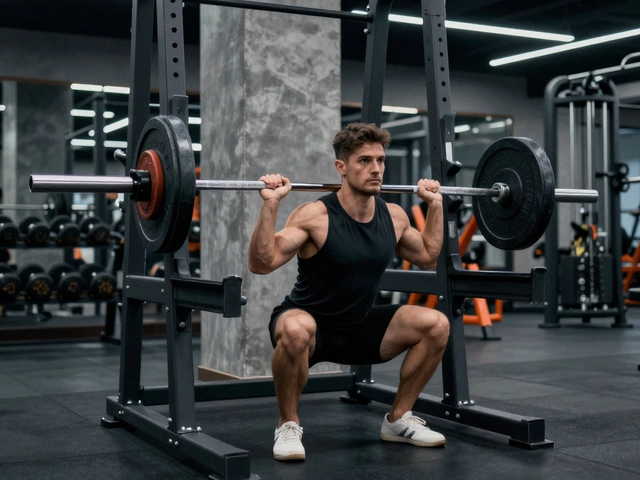
You don’t need to know every machine in the gym. Focus on three movement patterns: push, pull, and squat. These cover almost everything you’ll ever need.- Push: Push-ups, bench press, shoulder press. These work your chest, shoulders, and triceps.
- Pull: Lat pulldown, seated row, or even resistance band rows. These strengthen your back and biceps.
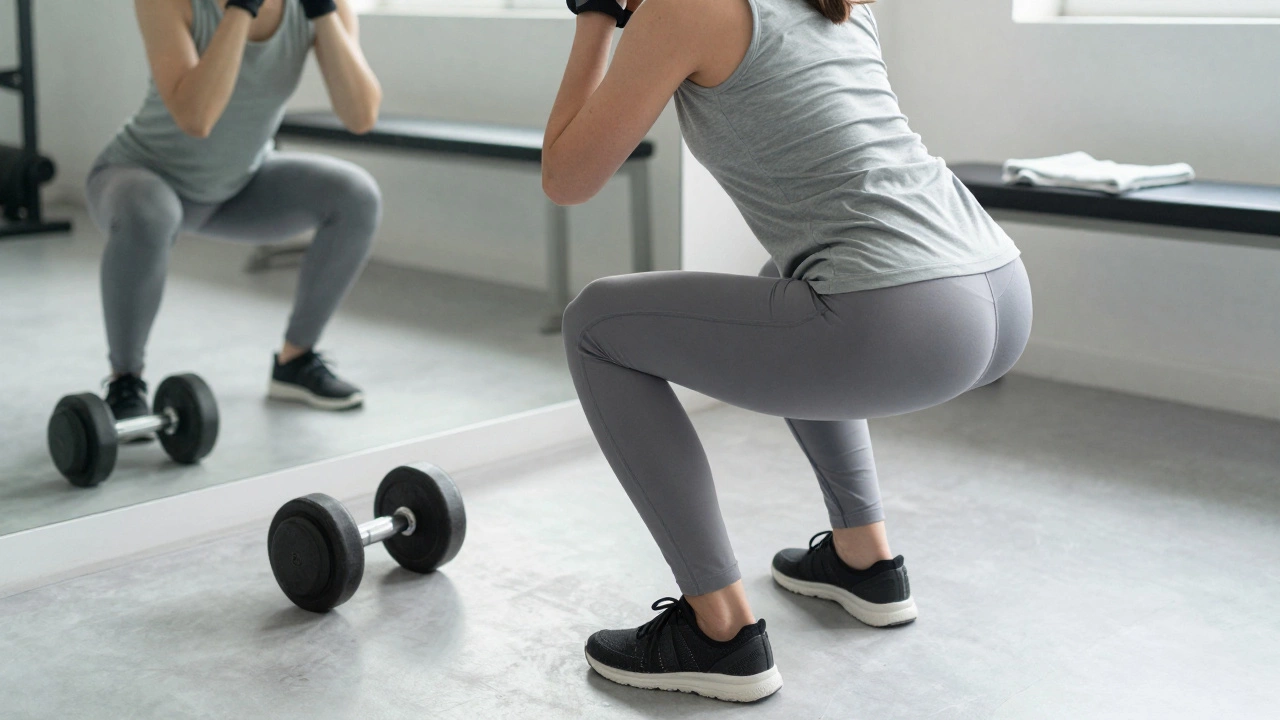
- Squat: Bodyweight squats, goblet squats with a dumbbell, or leg press. These build your legs and core.
Use a simple plan
Here’s a real beginner plan you can start tomorrow:- Warm up: 5 minutes on the bike or treadmill-just move, don’t push hard.
- Bodyweight squats: 2 sets of 10
- Push-ups (on knees if needed): 2 sets of 8
- Seated row (machine or resistance band): 2 sets of 10
- Plank: Hold for 20 seconds, 2 times
- Cool down: 3 minutes of slow walking, then stretch your legs and arms for 2 minutes.
Track progress-not just weight
Don’t obsess over the scale. You might gain muscle and lose fat at the same time, and the number won’t change. Instead, track what you can do:- Can you do 10 push-ups now? Aim for 12 next week.
- Can you hold a plank for 20 seconds? Try 25.
- Did you lift 5 kg on the dumbbell press last week? Try 6 kg this week.
Don’t compare yourself
Someone in the gym might be lifting twice your weight. That’s fine. They’ve been doing this for years. Your journey is yours alone. Focus on your own line. If you find yourself staring at others, remind yourself: they didn’t start there either. Everyone was a beginner once. Your progress is valid, no matter how slow it seems.Make it fit your life
If you hate the gym at 6 a.m., don’t force it. Try after work. If you can’t make it twice a week, start with once. Better once than never. If you’re tired, do a 10-minute walk instead. Movement counts. The gym isn’t a prison-it’s a tool. Use it in a way that works for you, not the other way around.What to bring
You don’t need much:- Comfortable clothes (no jeans)
- Trainers with flat soles (no running shoes with big heels)
- A water bottle
- A towel (some gyms provide them, but bring your own)
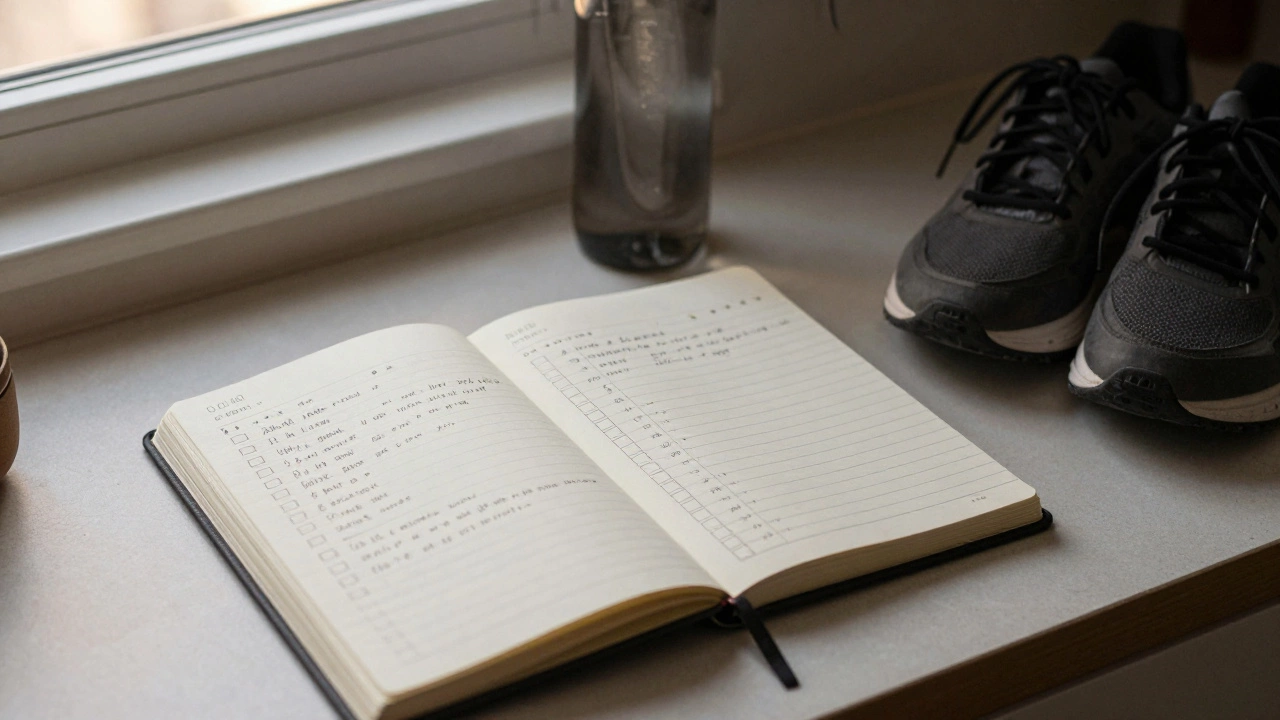
- A notebook or phone to log your workouts
Expect setbacks
You’ll miss a session. You’ll feel sore. You’ll wonder if it’s worth it. That’s normal. It happens to everyone. The difference between people who stick with it and those who quit isn’t talent-it’s persistence. If you skip a week, just start again. No guilt. No punishment. Just show up again.When to increase intensity
After 4-6 weeks, if your workouts feel easy, it’s time to add a little more:- Add one more set to each exercise
- Use a slightly heavier weight (even 1-2 kg more)
- Hold your plank for 30 seconds instead of 20
- Try walking up the treadmill incline
Listen to your body
Soreness is normal. Sharp pain isn’t. If your knee or shoulder hurts during a movement, stop. Don’t push through pain. Adjust your form. Try a different exercise. Talk to a physiotherapist if it doesn’t go away. Your body isn’t your enemy-it’s your partner.Keep going
The first month is the hardest. After that, it gets easier. You’ll start noticing changes you didn’t expect: your posture improves, you have more energy at work, you stop reaching for snacks out of stress. These are the wins that matter. They’re quiet. No one else sees them. But you know. Starting a gym routine isn’t about looking a certain way. It’s about becoming someone who shows up for themselves-even on the days you don’t feel like it. That’s strength. And that’s something no one can take from you.Do I need to hire a personal trainer to start?
No, you don’t. Many people start successfully with free resources, simple plans, and a little patience. Most gyms offer a free orientation with a staff member to show you how to use the equipment. Use that. Watch YouTube videos from trusted sources like Athlean-X or Jeff Nippard for form checks. Only consider a trainer if you feel stuck, have an injury, or want personalized coaching. But you can build a solid foundation without spending extra money.
How long until I see results?
You’ll start feeling stronger and more energized in 2-3 weeks. Visible changes-like muscle tone or looser clothes-usually take 6-8 weeks with consistent effort. Don’t wait for the mirror to tell you you’re doing well. Track your lifts, your endurance, your sleep. Those are better signs than weight on a scale.
Can I start a gym routine if I’m overweight or out of shape?
Absolutely. Gym routines are designed for all body types and fitness levels. Start with bodyweight movements and light resistance. Focus on moving well, not lifting heavy. Many people who begin overweight lose more fat and gain more strength than those who start lean. The gym is not exclusive-it’s inclusive.
What if I hate the gym?
Then don’t go to the gym. Find another way to move. Walk in the park, take a dance class, swim, cycle, or do home workouts with YouTube videos. The goal isn’t to love the gym-it’s to move your body regularly. If the gym feels like a chore, switch it up. Movement is the goal, not the location.
Should I do cardio along with strength training?
Yes, but not at first. For the first 4 weeks, focus on strength. Once you’ve built a routine, add 10-15 minutes of walking or cycling after your strength session twice a week. Cardio helps heart health and burns extra calories, but strength training is what changes your body shape and builds lasting strength. Don’t skip it for cardio.