What Is Boxing Actually Called? The Origins of 'The Sweet Science'
Boxing Terminology Explorer
Click on a term below to discover its origin, proper context, and connotation. Learn when to use each name to sound like an insider.
Boxing
Old English/Germanic roots (from verb "to box")
Official regulations, legal documents, everyday conversation, global communication.
Neutral, descriptive, functional, universally understood.
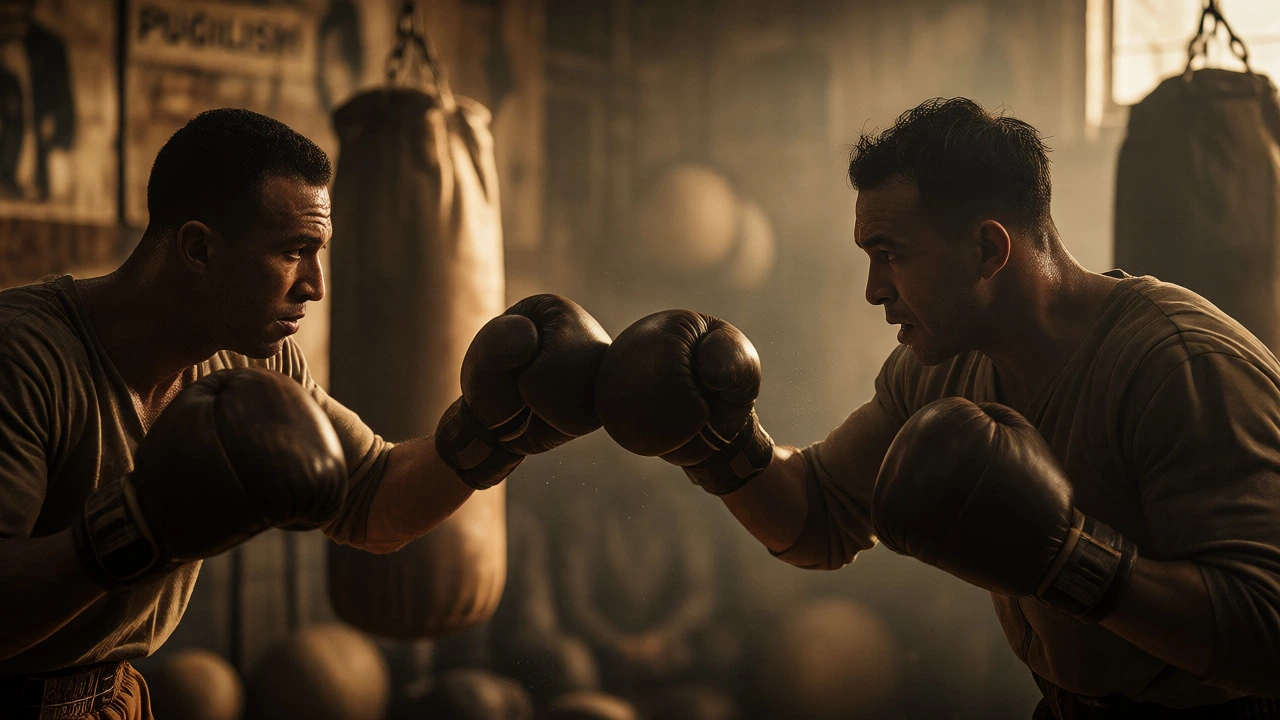
You walk into a gym, see two people hitting each other in gloves, and you call it boxing. Simple, right? But if you dig into the archives or talk to old-school trainers, you’ll hear different names. You might hear "pugilism," "the sweet science," or even just "fighting." So, what is boxing actually called? Is there an official name that supersedes the common term? The short answer is no-"boxing" is the standard, legal, and global term. However, the sport has a rich linguistic history filled with nicknames that reveal more about its culture than any rulebook ever could.
This isn’t just trivia. Understanding these terms changes how you watch a match. When commentators say "pugilistic arts," they’re referencing a lineage going back to ancient Greece. When they mention "the sweet science," they’re talking about the tactical chess match happening between punches. Let’s break down where these names come from, why they stuck, and which one you should use when you want to sound like you know your stuff.
The Official Name: Why It’s Just "Boxing"
Boxing is a combat sport involving two competitors who fight using their fists while wearing padded gloves. This definition covers everything from amateur Olympic bouts to heavyweight championship nights. The word itself comes from the verb "to box," meaning to strike with the fist. It’s direct, functional, and universally understood. If you tell someone in Tokyo, New York, or Dublin that you practice boxing, they know exactly what you mean.
Why does this simple term dominate? Because it describes the action without ambiguity. Unlike "wrestling" (which involves grappling) or "fencing" (which uses weapons), boxing is defined by the fist. The International Boxing Association (AIBA) and major professional bodies like the WBC or IBF all use "boxing" in their titles. There is no secret code name for the sport in official regulations. If you’re filling out a medical form or signing up for insurance, you write "boxing."
Pugilism: The Old-School Term
If you want to sound historical, use pugilism. Derived from the Latin word *pugnus*, meaning fist, pugilism refers to the art of fighting with fists. This term gained popularity in the 18th and 19th centuries as bare-knuckle fighting evolved into regulated sport. You’ll still see it in literary contexts or high-brow journalism. For example, George Bernard Shaw famously wrote about the "pugilistic arts" in his play *Pygmalion*.
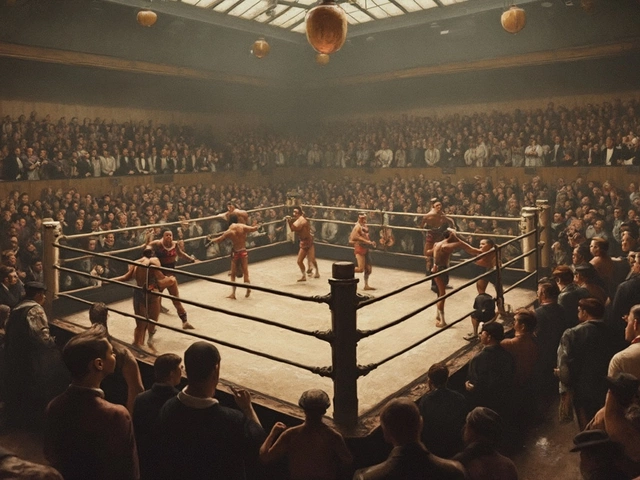
Is pugilism different from boxing? Technically, yes. Pugilism can include older forms of fighting that didn’t follow modern Marquess of Queensberry rules. Bare-knuckle matches, where fighters had no gloves and rounds were longer, were often called pugilism. Today, however, the terms are largely interchangeable. Using "pugilism" signals respect for the sport’s gritty origins. It acknowledges that before we had headgear and 3-minute rounds, men fought until one couldn’t stand.

The Sweet Science: A Nod to Technique
Here’s the nickname most fans love: the sweet science. This phrase doesn’t describe the violence; it describes the intellect. Boxing isn’t just about power. It’s about timing, distance management, and reading your opponent. Think of Floyd Mayweather Jr. He wasn’t always the hardest hitter, but he was rarely hit. That’s the sweet science at work.
Who coined it? Attributions vary, but many credit American journalist and boxer Nat Fleischer or perhaps earlier writers in the early 20th century. The term highlights that boxing requires study. You have to learn footwork, angles, and defensive slips. It’s not a brawl; it’s a calculated exchange. When you hear commentators praise a fighter’s "IQ," they’re referring to this scientific approach. Calling it the sweet science separates skilled practitioners from mere brawlers.
| Term | Origin | Context Usage | Connotation |
|---|---|---|---|
| Boxing | Old English/Germanic roots | Official, legal, everyday | Neutral, descriptive |
| Pugilism | Latin (*pugnus*) | Historical, literary | Formal, archaic |
| Sweet Science | Early 20th-century journalism | Cultural, fan-based | Respectful, intellectual |
| Fighting | General English | Colloquial, broad | Vague, potentially misleading |
Other Slang and Regional Variations
Beyond the big three names, you’ll encounter slang. In the UK and Ireland, you might hear "the noble art" or simply "the game." These terms emphasize honor and tradition. "The noble art" suggests that despite the violence, there’s a code of conduct. Fighters shake hands, respect the referee, and train hard. It’s a way of dignifying the brutality.
In some communities, especially within African American culture, boxing is sometimes referred to as "the manly art." This reflects its historical role in proving masculinity and discipline. Conversely, detractors might call it "caveman stuff," dismissing it as primitive. But that ignores the technical depth we discussed earlier.
Don’t confuse boxing with kickboxing or Muay Thai. While they share striking elements, boxing strictly prohibits kicks, elbows, and knees. If someone says they do "striking," they might mean any of these sports. Precision matters here. Saying "I do boxing" excludes leg strikes. Saying "I do striking" includes them. This distinction saves you from awkward misunderstandings at gyms.

Why Does the Name Matter?
You might wonder, why care about labels? Because language shapes perception. Calling it "pugilism" elevates it to an art form. Calling it "the sweet science" emphasizes skill over brute force. Calling it "boxing" keeps it accessible. Each name serves a purpose depending on your audience.
For beginners, stick with "boxing." It’s clear. For enthusiasts discussing history, bring in "pugilism." For analyzing tactics, use "sweet science." Misusing terms can make you look uninformed. Don’t call a kickboxer a boxer unless they specifically compete under boxing rules. Don’t refer to MMA as boxing. These distinctions protect the integrity of each sport.
Also, consider the legal aspect. Insurance policies, liability waivers, and medical records require precise terminology. If you’re injured during a sparring session, your doctor needs to know it was boxing-related trauma, not general "fighting." Specificity protects you.
How to Use These Terms Correctly
Ready to sound like an insider? Here’s a quick guide:
- Use "Boxing" in formal settings, introductions, and when clarity is key.
- Use "Pugilism" when writing essays, discussing history, or wanting to sound sophisticated.
- Use "Sweet Science" when praising technique, strategy, or smart fighters.
- Avoid "Fighting" as a standalone noun for the sport, as it’s too vague.
Remember, context is king. At a pub, nobody cares if you say "I’m training for a fight" instead of "I’m preparing for my boxing bout." But in a coaching clinic or academic paper, precision wins points.
Is "pugilism" the same as boxing?
Yes, in modern usage, pugilism and boxing refer to the same sport. However, pugilism is an older, more formal term derived from Latin, often used in historical or literary contexts. Boxing is the standard contemporary term.
Why is boxing called the sweet science?
Boxing is called the sweet science because it requires significant mental acuity, strategy, and technical skill, not just physical strength. The term highlights the tactical nature of the sport, comparing it to a complex puzzle or scientific endeavor.
Can I call kickboxing boxing?
No, you should not call kickboxing boxing. Boxing strictly involves punching with fists above the waist. Kickboxing includes kicks, knees, and sometimes elbows, making it a distinct combat sport with different rules and techniques.
What is the oldest name for boxing?
The oldest recorded references involve terms like "pygmachia" in Ancient Greek, which translates to fist-fighting. In English, "pugilism" became the dominant formal term in the 18th and 19th centuries before "boxing" took over in the 20th century.
Is there a difference between amateur and professional boxing names?
No, both amateur and professional competitions are called boxing. The distinction lies in the rules, equipment (headgear in amateurs), and scoring systems, not the name of the sport itself.