What Is Sports Equipment Made Of? A Deep Dive Into Materials
Sports Material Selector
Select options above and click Analyze to find your ideal material.
You’ve probably picked up a tennis racket, swung a golf club, or laced up running shoes without ever thinking about what they’re actually made of. It’s just plastic, metal, and rubber, right? Wrong. The truth is far more complex-and fascinating. Modern sports equipment is an engineering marvel built from high-tech composites, aerospace-grade metals, and engineered polymers designed to shave milliseconds off your time or add inches to your jump.
Understanding sports equipment materials isn’t just for engineers. If you buy gear based on feel alone, you might miss out on technology that could prevent injury or boost performance. Let’s break down exactly what goes into the tools we use to move, compete, and play.
The Rise of Carbon Fiber: The Gold Standard
If there is one material dominating modern sports, it is Carbon Fiber. You’ll find it in everything from high-end bicycles to baseball bats and archery bows. But why do manufacturers love it so much?
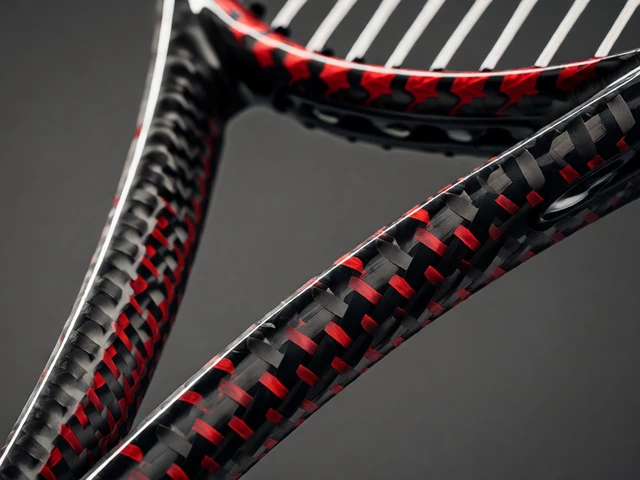
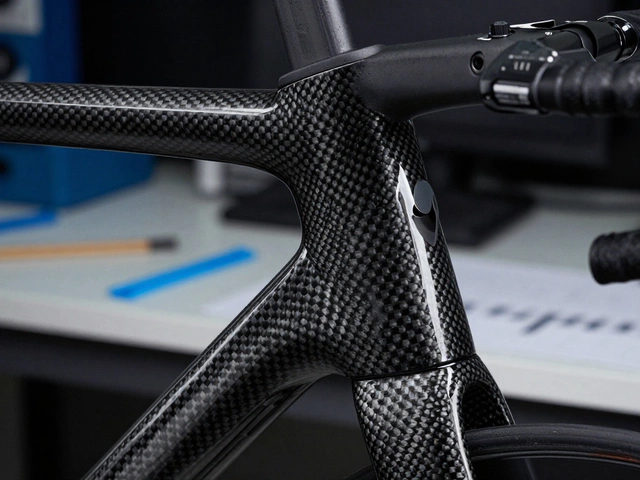
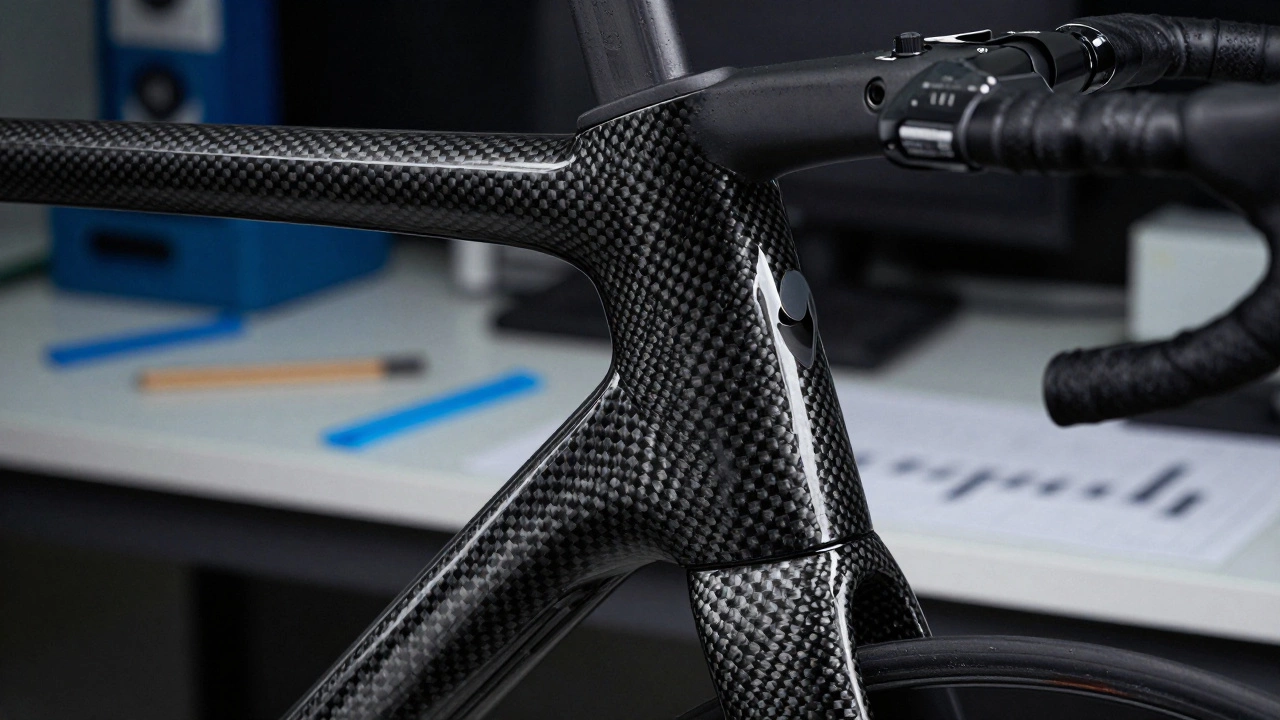
Carbon fiber consists of tiny fibers, each about five to ten micrometers wide, composed mostly of carbon atoms bonded together in crystals parallel to the length of the fiber. These are bundled into yarns and woven into fabrics, then embedded in resin and cured under heat and pressure. The result? A material that is incredibly strong yet lighter than steel.
In cycling, a full carbon frame can weigh less than nine pounds while maintaining stiffness that rivals aluminum frames twice its weight. For runners, carbon-plated shoes-like those used by Olympic athletes-store and return energy with every stride, potentially saving up to four percent of metabolic cost over long distances. That’s not a small margin when you’re racing against the clock.
But carbon fiber isn’t perfect. It’s expensive, brittle under impact (think cracking a racket on a fence), and difficult to repair. Still, for competitive athletes where every gram counts, it remains the top choice.
Metal Matters: Aluminum vs. Titanium
Before carbon fiber took over, metals ruled the roost. Today, two stand out: Aluminum Alloys and Titanium.
Aluminum is lightweight, affordable, and durable. It’s the go-to for entry-level bike frames, ski poles, and even some baseball bats. The downside? Aluminum fatigues over time. After thousands of stress cycles, micro-cracks form, leading to sudden failure. That’s why older aluminum bikes often come with a “no warranty after X years” clause.
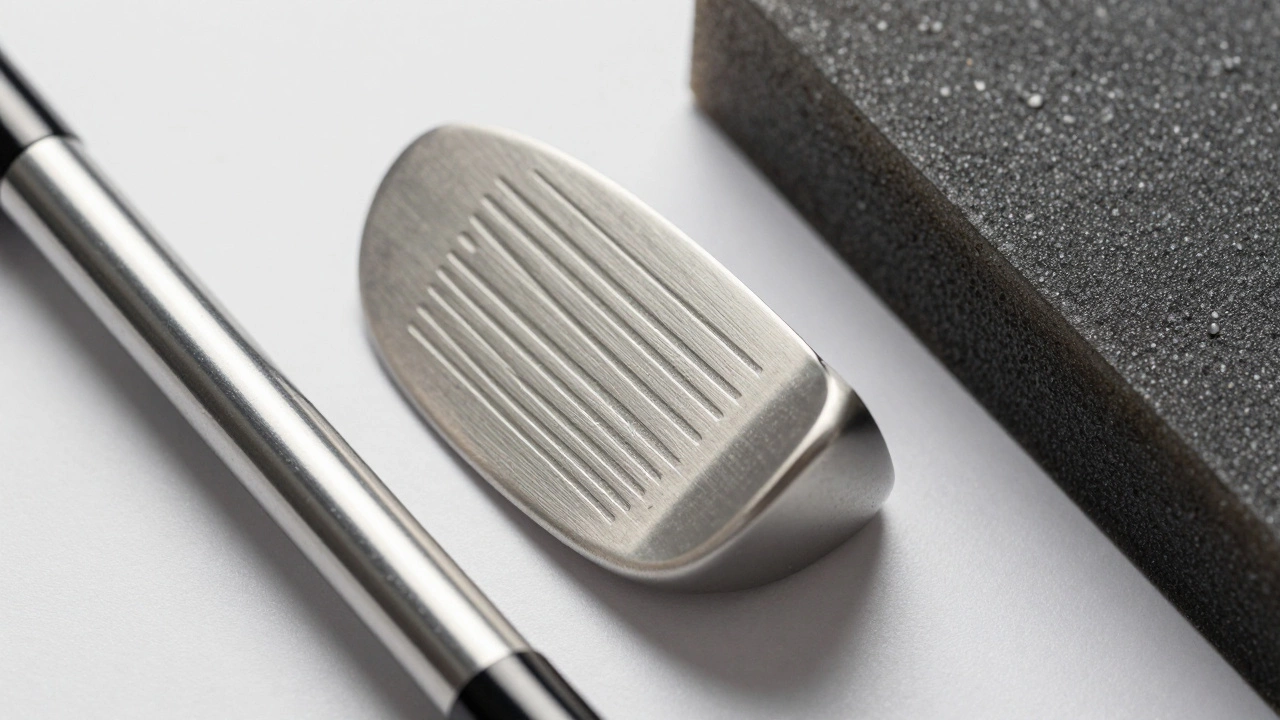
Titanium, on the other hand, is stronger, more flexible, and virtually immune to corrosion. It’s also biocompatible, which makes it ideal for prosthetics and medical implants-but in sports, it shines in high-end bike frames and golf shafts. Titanium absorbs vibration better than aluminum, giving riders a smoother ride. The catch? Cost. Titanium processing requires inert gas welding and specialized tooling, making titanium gear significantly pricier.
| Material | Weight | Durability | Vibration Damping | Cost |
|---|---|---|---|---|
| Aluminum Alloy | Light | Moderate (fatigues over time) | Poor | $ |
| Titanium | Very Light | High (corrosion-resistant) | Excellent | $$$ |
| Steel | Heavy | Very High | Good | $$ |
Polymers and Plastics: More Than Just Cheap Stuff
When people hear “plastic,” they think of flimsy toys. But in sports, advanced polymers are workhorses. Polyetheretherketone (PEEK), for example, is used in high-performance ski bindings and orthopedic implants because it withstands extreme temperatures and chemical exposure without degrading.
Thermoplastic Polyurethane (TPU) lines many protective pads and shoe midsoles. It offers excellent abrasion resistance and elasticity, meaning it bounces back after compression rather than staying squished. That’s crucial for trail runners who need cushioning that lasts mile after mile.
Even something as simple as a water bottle relies on polymer science. Tritan™ copolyester, for instance, is BPA-free, shatter-resistant, and clear enough to mimic glass-all while being light enough to carry during a marathon.
Textiles Revolutionized: From Cotton to Smart Fabrics
Cotton was king until sweat ruined its reputation. Now, athletic wear is dominated by synthetic blends like Polyester and Spandex. Polyester wicks moisture away from skin, drying faster than natural fibers. Spandex adds stretch, allowing garments to move with your body without restricting motion.
But innovation doesn’t stop there. Some jackets now feature phase-change materials (PCMs) that absorb excess body heat when you’re hot and release it when you cool down. Others incorporate graphene threads for antimicrobial properties or conductivity to monitor heart rate through fabric sensors.
Shoes have evolved too. Traditional leather has given way to knitted uppers made from recycled fishing nets or bio-based plastics. These materials offer breathability, flexibility, and reduced environmental impact-a win-win for athletes and the planet.
Natural Materials Making a Comeback
Despite the tech boom, nature still plays a role. Wood remains popular in certain applications due to its unique combination of strength, damping, and aesthetics. Many premium cricket bats are still crafted from willow wood, prized for its balance between hardness and shock absorption.
Leather, though largely replaced by synthetics, persists in boxing gloves and football cleats. Genuine leather molds to the foot over time, offering custom fit and durability that few alternatives match. However, ethical concerns around animal sourcing have pushed brands toward plant-based leathers derived from mushrooms, cactus, or pineapple leaves.
Wool hasn’t disappeared either. Merino wool socks remain a favorite among hikers and skiers thanks to their temperature regulation and odor resistance-even when wet. Unlike cotton, wool retains insulation capability when damp, preventing hypothermia in cold conditions.

Composite Hybrids: Best of Both Worlds
Sometimes, no single material does it all. Enter composites-materials made by combining two or more constituents with different properties. In sports, this often means layering carbon fiber with fiberglass, Kevlar®, or even bamboo.
A tennis racket might use carbon fiber for stiffness and power, paired with fiberglass for flexibility and control. A hockey stick could blend carbon for speed with basalt fiber for enhanced vibration reduction. Each layer serves a purpose, creating a final product optimized for specific performance goals.
Even footwear uses hybrid approaches. Midsoles may combine ethylene-vinyl acetate (EVA) foam for cushioning with thermoplastic polyurethane (TPU) plates for stability. Outsoles might mix rubber compounds for grip with carbon inserts for propulsion.
Environmental Impact: The Hidden Cost
All these amazing materials come at a price-not just financially, but environmentally. Producing carbon fiber generates significant greenhouse gases. Synthetic textiles shed microplastics into oceans during washing. Mining titanium disrupts ecosystems.
Yet progress is happening. Brands increasingly turn to recycled materials: polyester made from ocean plastic, carbon fiber reclaimed from old parts, and even 3D-printed components using biodegradable resins. Some companies offer take-back programs to recycle worn-out gear instead of sending it to landfills.
As consumers become more aware, demand for sustainable options grows. Expect future innovations to focus not only on performance but also on circularity-designing products that can be disassembled, reused, or composted at end-of-life.
Choosing Gear Based on Material
So how do you pick the right stuff? Start by asking yourself:
- What’s my budget? Carbon fiber and titanium cost more upfront but last longer. Aluminum and standard plastics suit casual users.
- How hard am I pushing? Competitive athletes benefit most from lightweight, responsive materials. Recreational players prioritize comfort and durability.
- Do I care about sustainability? Look for brands committed to recycling initiatives or eco-friendly materials.
- Am I prone to injuries? Choose gear with superior shock absorption-titanium, TPU, or layered composites.
Don’t fall for marketing hype. Terms like “aerospace grade” or “military spec” sound impressive but don’t always translate to better performance. Read reviews, test gear if possible, and consider returning policies before committing.
Is carbon fiber really worth the extra cost?
For serious athletes seeking maximum performance gains, yes. Carbon fiber reduces weight and increases stiffness, translating directly into faster speeds and improved efficiency. Casual users likely won’t notice the difference and should opt for cheaper alternatives.
Why do some sports equipment crack easily?
Materials like carbon fiber are rigid and lack ductility. When subjected to sharp impacts beyond their design limits, they fracture suddenly rather than bending. Proper maintenance and avoiding misuse extend lifespan significantly.
Are synthetic fabrics healthier than cotton?
Synthetics excel at moisture management, keeping you dry and reducing chafing risks. Cotton absorbs sweat, becoming heavy and uncomfortable. For intense activity, synthetics are generally safer and more comfortable.
Can I repair damaged sports equipment myself?
Minor issues like loose screws or worn grips are easy fixes. Structural damage to carbon fiber or metal components usually requires professional assessment. Attempting DIY repairs on critical load-bearing parts compromises safety.
What’s the most eco-friendly sports material available today?
Recycled polyester and bio-based plastics lead the pack currently. Emerging options include mushroom leather and algae-derived foams. Always check brand transparency regarding supply chains and disposal methods.
Does heavier equipment build stronger muscles?
Not necessarily. Heavier gear forces adaptation, but improper technique leads to injury. Focus on progressive overload within safe parameters. Lightweight equipment allows refinement of movement patterns first.
How long does typical sports equipment last?
Lifespan varies widely. Running shoes degrade after 300-500 miles regardless of appearance. Bicycles depend on usage intensity and maintenance. Regular inspections help identify wear before catastrophic failures occur.