Best Starter Running Shoes: A Beginner's Guide
Starter Running Shoe Finder
Answer these quick questions to find your ideal first pair of running shoes. Remember: Comfort builds confidence.
Your Profile
Fill out the profile on the left to get personalized recommendations from our top picks for 2026.
Quick Fitting Tips
- • The Thumb Rule: Leave a thumb's width of space at the toe.
- • Shop Late: Try shoes on in the afternoon when feet are swollen.
- • Socks Matter: Wear the socks you plan to run in during the fitting.
You’re standing in a shoe store, staring at a wall of brightly colored foam and mesh. The salesperson is talking about "energy return" and "drop height," and you just want to know which pair won’t make your shins scream after two miles. It’s a common panic for new runners. You don’t need a $200 carbon-plated racing spike. You need a reliable workhorse that protects your joints while you build the habit.
The truth is, there is no single "magic shoe." But there are specific categories of running shoes that serve beginners best. This guide cuts through the marketing noise to help you find the right fit, whether you’re training for a 5K or just trying to escape the couch.
Key Takeaways for New Runners
- Fit beats brand: A perfectly fitted budget shoe is better than an ill-fitted premium one. Leave a thumb's width of space at the toe.
- Cushioning is key: Beginners benefit from maximum cushioning to protect bones and tendons that aren't used to impact yet.
- Neutral vs. Stability: Most beginners do well with neutral shoes unless you have known overpronation issues diagnosed by a professional.
- Replace regularly: Foam loses its bounce. Plan to replace your shoes every 300-500 miles (480-800 km).
Why Your First Shoe Matters More Than You Think
When you start running, your body undergoes a sudden increase in load. Each step sends forces equivalent to 2-3 times your body weight through your feet, ankles, knees, and hips. If you run in flat, unsupportive sneakers-like classic canvas plimsolls-you risk shin splints, plantar fasciitis, or stress fractures before you’ve even finished week one.
A proper starter running shoe acts as a shock absorber. Modern midsole foams, such as EVA (Ethylene-vinyl acetate) or newer TPU-based compounds like Nike ZoomX, compress under pressure and spring back, reducing the jarring effect on your skeleton. For a beginner, this isn't about speed; it's about durability of the habit. If running hurts, you quit. If it feels manageable, you stick with it.
Decoding the Jargon: What Actually Helps Beginners?
Shoe specs can look like rocket science. Here’s what actually matters when you’re starting out:
Drop Height
This is the difference in stack height between the heel and the forefoot. Traditional trainers often have a 10-12mm drop. Minimalist shoes have 0mm. For most beginners, a moderate drop (6-10mm) is safest. It encourages a natural heel-strike without forcing your calves into extreme tension, which can cause Achilles tendonitis if you switch to zero-drop too quickly.
Stack Height and Cushioning
Higher stack heights mean more material between your foot and the ground. While elite racers might prefer low-profile shoes for ground feel, beginners should lean toward higher stacks (30mm+ in the heel). This provides a larger margin for error in form and absorbs more impact energy.
Width and Toe Box
Your feet swell during exercise. A narrow toe box squeezes your toes together, leading to blisters and black toenails. Look for brands known for wider fits, like Altra or New Balance, which offer multiple width options (D, 2E, etc.).
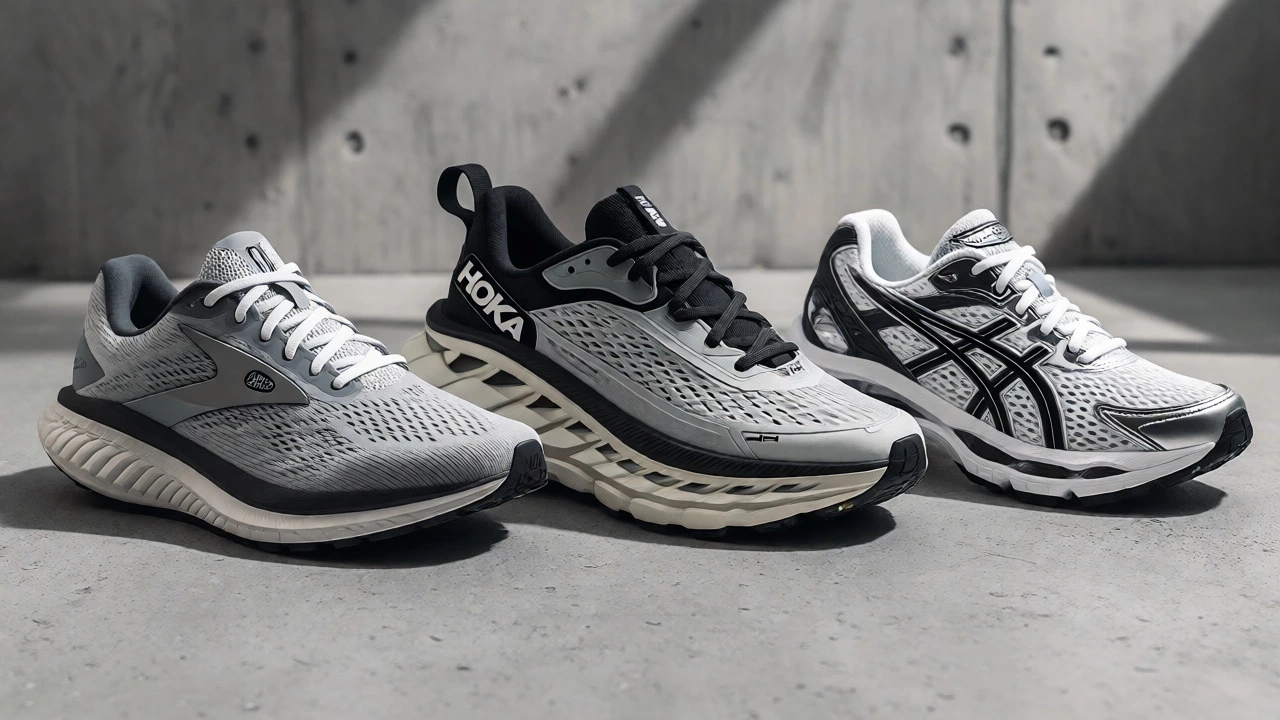
The Top Contenders for 2026
Based on current market availability and feedback from local Dublin running clubs, here are three distinct types of shoes that excel for new runners.
| Model | Best For | Key Feature | Price Range (EUR) |
|---|---|---|---|
| Brooks Ghost 16 | All-round daily trainer | Balanced cushioning, durable outsole | €130 - €150 |
| Hoka Clifton 9 | Maximum protection | High stack height, rocker geometry | €140 - €160 |
| ASICS Gel-Nimbus 26 | Premium comfort | FF BLAST PLUS ECO foam, plush upper | €170 - €190 |
The Safe Bet: Brooks Ghost Series
If you ask ten different coaches what to buy a beginner, half will say Brooks Ghost. Why? It’s boringly consistent. It doesn’t try to be a super-shoe. It uses DNA LOFT v2 cushioning, which is soft enough to be comfortable but firm enough to provide stability. It handles everything from slow jogs to tempo runs reasonably well. It’s the Toyota Corolla of running shoes-it just works.
The Joint Saver: Hoka Clifton Series
Hoka revolutionized the market with oversized midsoles. The Clifton is their flagship daily trainer. The "meta-rocker" geometry rolls you forward, which can reduce strain on the calf and knee. If you carry extra weight or have sensitive joints, the high stack height of the Clifton offers significant relief. Note: They look bulky. Get over it. Comfort wins.
The Plush Option: ASICS Gel-Nimbus
ASICS has long been a favorite in Europe. The Nimbus line focuses on pure softness. Their PureGEL technology and FF BLAST PLUS foam create a cloud-like experience. It’s heavier than the others, but for short-to-medium distances where comfort is the primary goal, it’s hard to beat. Great for runners who prioritize feeling good over feeling fast.
How to Fit Properly: Avoiding Common Mistakes
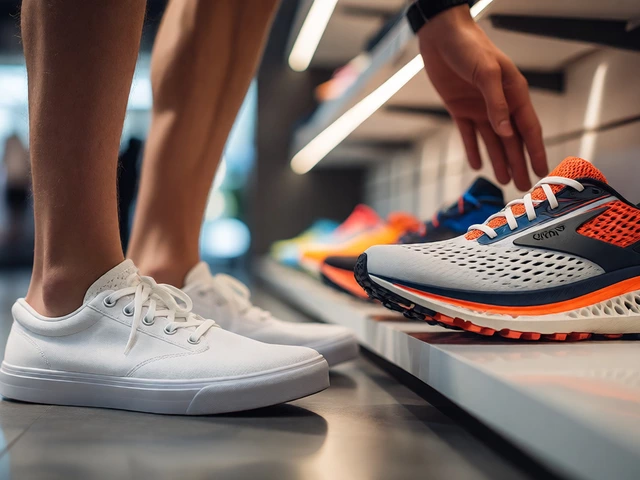
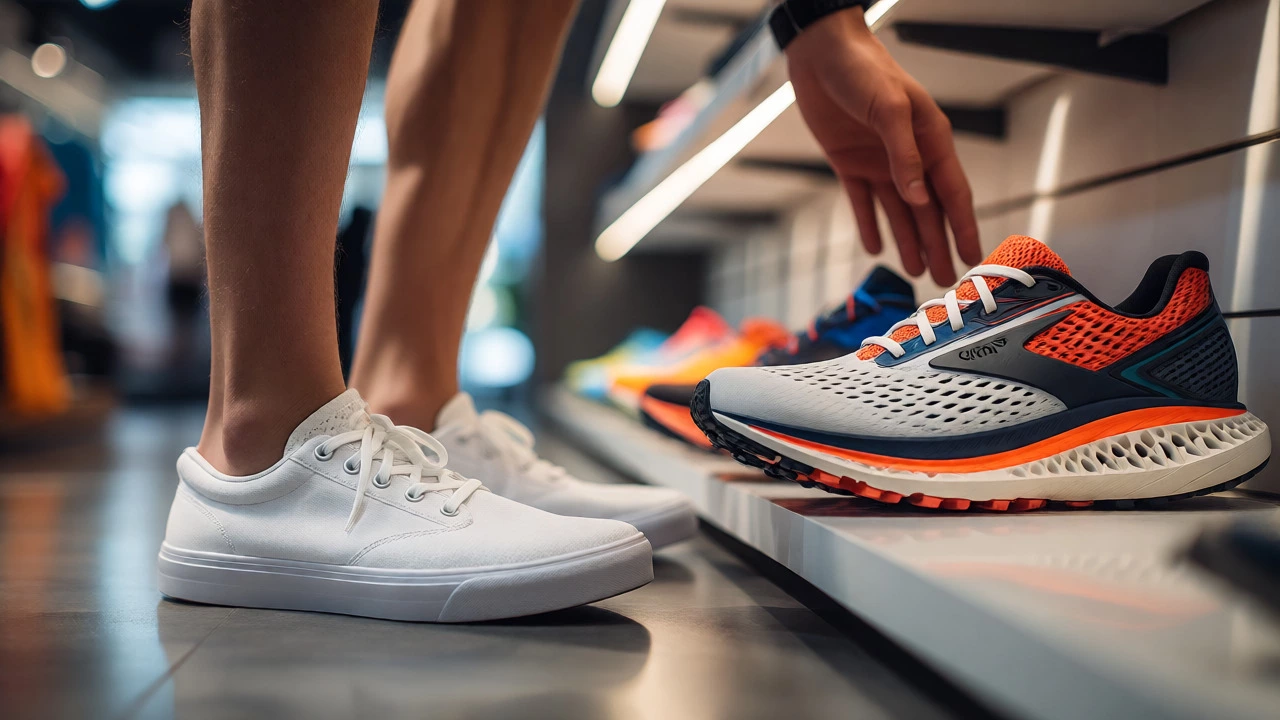
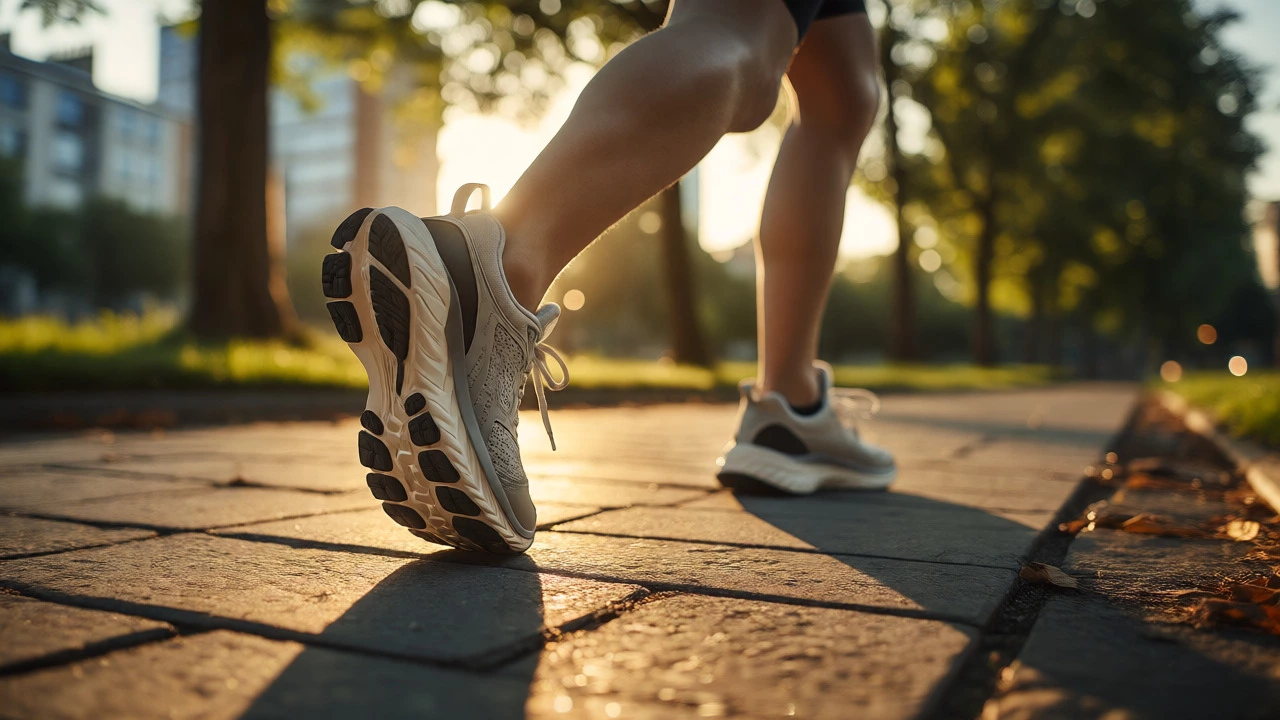
You cannot judge a running shoe by how it feels when you stand still in the store. You must simulate the run.
- Shop late in the day: Your feet swell throughout the day. Trying on shoes at 4 PM ensures they won’t be too tight when you’re running.
- Wear your running socks: Don’t bring dress socks. Wear the technical synthetic or wool blend socks you’ll actually run in.
- The Thumb Rule: With your heel pressed against the back of the shoe, you should be able to slide your index finger comfortably between your longest toe and the front of the shoe. Too little space causes bruised toes; too much causes slipping and blisters.
- Lace them up tightly: Many people run with loose laces. Lock down the midfoot. Your foot shouldn’t slide inside the shoe.
Common Pitfalls for Beginners
Buying based on looks: That neon yellow pair might be cool, but if the arch support digs into your foot, you’ll hate every mile. Function first.
Ignoring rotation: Once you get serious, having two pairs of shoes extends their life and reduces injury risk by varying the stress patterns on your legs. But for your first month, one good pair is fine.
Thinking expensive equals better: You don’t need the latest release. Last year’s model is often 30% cheaper and technically identical. Check outlets or online discounters for previous-generation models like the Ghost 15 or Clifton 8.
Next Steps: From Purchase to Pavement
You’ve bought the shoes. Now what? Do not go out and run 5km on day one. Break them in gradually. Wear them around the house for an hour, then walk in them, then jog for 10 minutes. Listen to your body. If you feel sharp pain (not just muscle fatigue), stop.
Remember, the best starter shoe is the one you’ll actually wear consistently. Comfort builds confidence. Confidence builds mileage. Start with a solid, cushioned neutral trainer, focus on fitting correctly, and worry about speed later.
Do I need motion control shoes if I have flat feet?
Not necessarily. Current research suggests that matching shoe type to foot shape is less critical than personal comfort. Many runners with flat feet perform well in neutral shoes. However, if you experience pain or excessive inward rolling (overpronation), a stability shoe like the Brooks Adrenaline GTS or ASICS Kayano might be worth trying. Always consult a physiotherapist if pain persists.
How long do running shoes last?
Most manufacturers recommend replacing running shoes every 300 to 500 miles (approximately 480 to 800 kilometers). For a beginner running 3 times a week for 30 minutes, this typically means replacing them every 6 to 9 months. Visual signs include worn-out tread, compressed midsole foam that doesn't bounce back, or uneven wear patterns.
Can I use cross-training shoes for running?
It’s possible for very short distances, but not recommended for regular running. Cross-trainers are designed for lateral movements and gym work, so they lack the longitudinal flexibility and specialized cushioning needed for repetitive forward motion. Using them for running increases the risk of impact-related injuries.
What is the difference between trail and road running shoes?
Road shoes have smoother rubber outsoles optimized for pavement grip and lighter weight. Trail shoes feature aggressive lugs (tread) for traction on mud and rocks, reinforced toe caps for protection, and stiffer plates for stability on uneven terrain. Using road shoes on trails can lead to slips; using trail shoes on roads wears out the lugs prematurely and feels clunky.
Is it okay to buy running shoes online?
Yes, provided you know your size and the retailer has a flexible return policy. Sizes can vary slightly between brands (e.g., Nike tends to run narrow, while Altra runs wide). Order two sizes if unsure, try them on at home on a carpeted surface to keep them clean, and return the ones that don't fit. Never run outside in new shoes until you're sure they fit.