How to Maintain Sports Equipment: A Complete Guide to Cleaning, Storage, and Repair
Sports Equipment Maintenance Planner
Select your equipment type to generate a customized cleaning, inspection, and storage guide based on best practices.
Maintenance Guide for
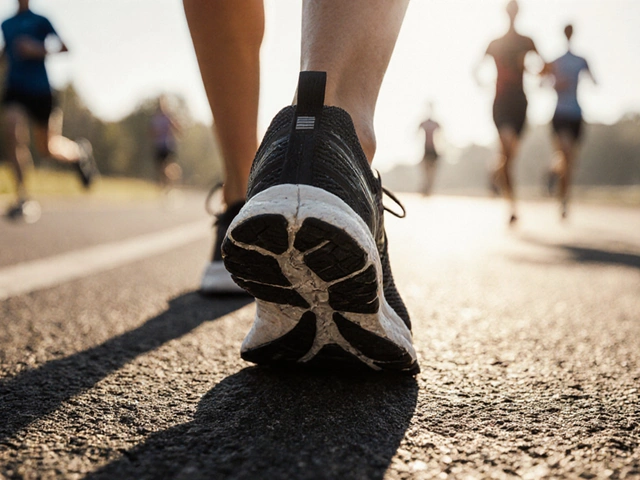
That expensive pair of running shoes you bought last year? They probably feel a bit stiff now. Your tennis racket might have lost some pop in the strings. And that yoga mat? It’s starting to smell like old socks. We’ve all been there. You invest time and money into your hobby, but neglecting the gear kills the experience faster than bad weather.
Maintaining sports equipment is the practice of cleaning, inspecting, storing, and repairing athletic gear to ensure safety, performance, and longevity. It isn’t just about keeping things looking new; it’s about preventing injury and saving money. A frayed climbing rope or a cracked helmet doesn’t just cost you cash-it risks your health.
Whether you are a weekend warrior playing casual football or a serious cyclist training for a race, knowing how to care for your tools is part of the sport. Here is exactly how to keep your gear in top shape without turning maintenance into a chore.
The Golden Rule: Clean Before You Store
Most people make one fatal mistake: they throw sweaty gear into a bag and forget about it until next week. Bacteria love dark, damp places. That gym bag is basically a petri dish waiting to happen. The first step in any maintenance routine is immediate post-use cleaning.
| Equipment Type | Cleaning Method | Frequency |
|---|---|---|
| Running Shoes | Remove insoles, brush off dirt, air dry (never use a dryer) | After every run if muddy/sweaty |
| Yoga Mats | Wipe with mild soap and water solution, hang to dry | After every session |
| Bicycles | Wipe frame, clean chain with degreaser, lubricate links | Weekly or after wet rides |
| Rackets (Tennis/Badminton) | Wipe grip with damp cloth, clean frame surface | After every match |
| Protective Gear (Pads/Helmets) | Hand wash removable liners, wipe hard shells | After every use |
For footwear, never put them in the washing machine unless the manufacturer explicitly says it’s okay. Most modern shoes use adhesives that break down under agitation and heat. Instead, take a soft brush, remove loose mud, and spot-clean stains with a mixture of warm water and a drop of dish soap. Let them air dry at room temperature. Heat shrinks materials and weakens glue bonds.
Textile gear like jerseys, shorts, and compression wear needs gentle handling. Avoid fabric softeners-they coat the fibers and reduce moisture-wicking properties. Use a technical detergent designed for synthetic fabrics. Turn clothes inside out before washing to protect prints and logos.
Inspection: Catching Problems Early
Cleaning reveals what the eye might miss during a quick glance. While your gear is fresh and visible, inspect it for wear and tear. This is especially critical for safety equipment.
Check your helmets for cracks. Even hairline fractures can compromise structural integrity. If you’ve had an impact, replace the helmet immediately, regardless of visible damage. Look inside the padding; if it’s compressed or crumbling, it won’t absorb shock effectively anymore.
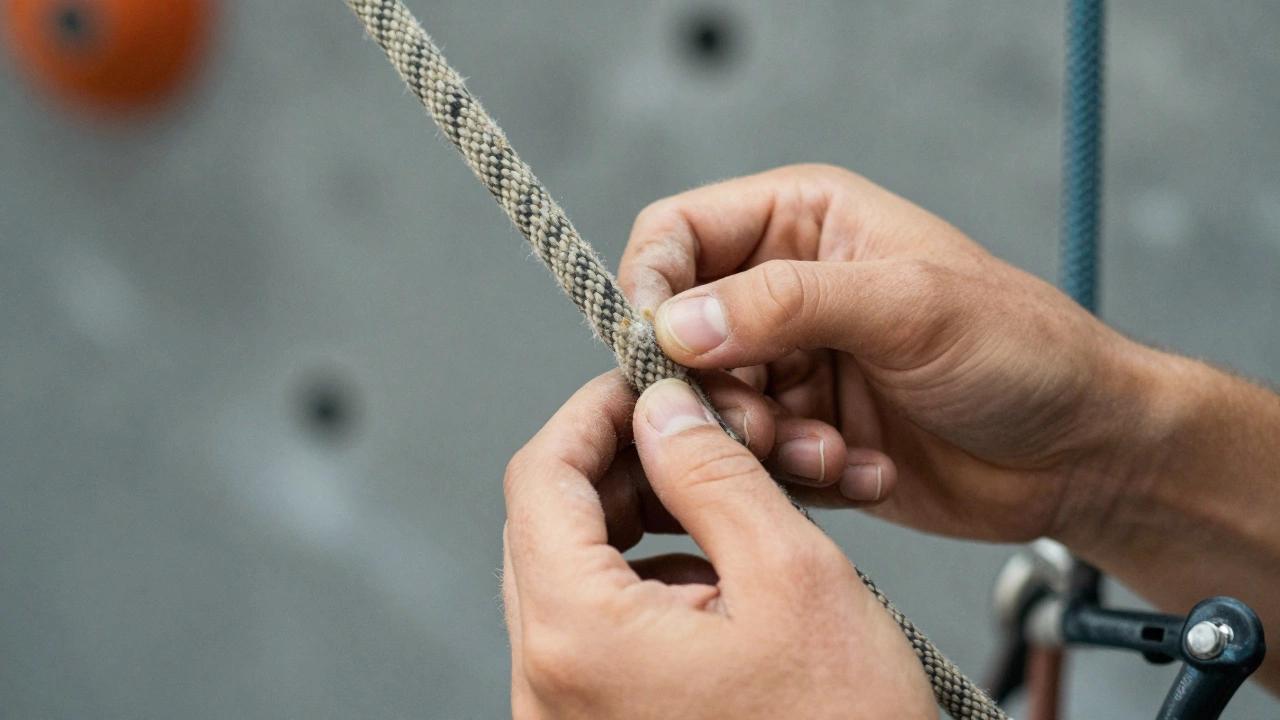
For ropes used in climbing or rowing, look for fuzziness or hard spots. Fuzz indicates fiber abrasion, while hard spots suggest internal core damage. These are silent failures waiting to happen. Mark the date of purchase on all safety-critical gear. Most manufacturers recommend replacing climbing ropes after five years, even with minimal use, because nylon degrades over time due to UV exposure and humidity.
Bicycle tires need regular checks too. Run your fingers along the tread to feel for embedded glass or thorns. Check the sidewalls for bulges, which indicate internal cord separation. A blowout on a road bike at speed is dangerous. Keep tire pressure within the range printed on the sidewall-under-inflation causes pinch flats, while over-inflation reduces traction and comfort.
Storage: Environment Matters More Than You Think
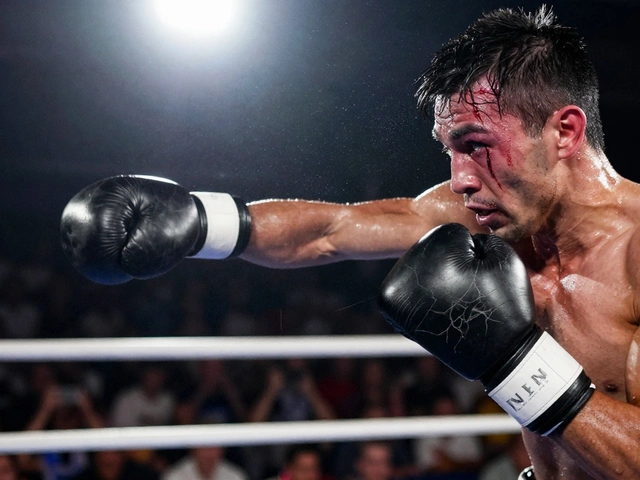
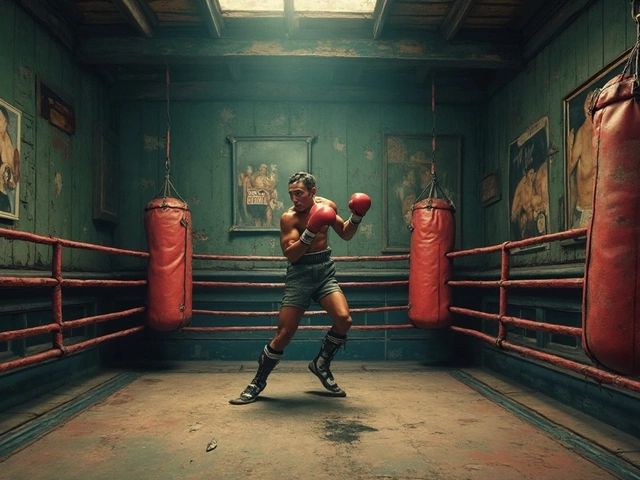
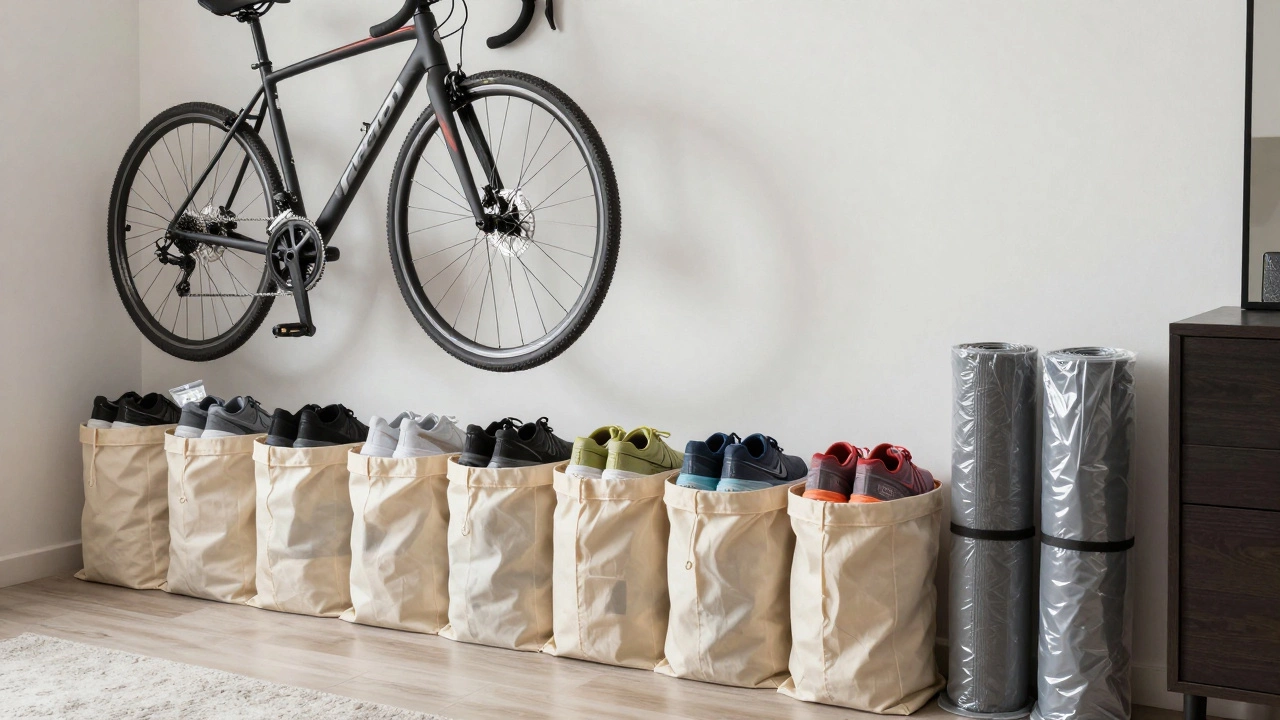
Where you keep your gear determines how long it lasts. Heat, light, and moisture are the enemies of athletic equipment. Storing bikes in a hot garage in summer can melt rubber seals and degrade plastic components. Leaving leather boxing gloves in a damp basement invites mold growth that eats through stitching.
Ideal storage conditions include:
- Temperature control: Keep gear between 10°C and 25°C (50°F-77°F). Extreme cold makes plastics brittle; extreme heat softens adhesives.
- Low humidity: Aim for below 60% relative humidity. Use silica gel packets in shoe bags or glove compartments to absorb excess moisture.
- Darkness: UV rays break down polymers. Store rackets, bats, and helmets away from direct sunlight. Use opaque bags or closed cabinets.
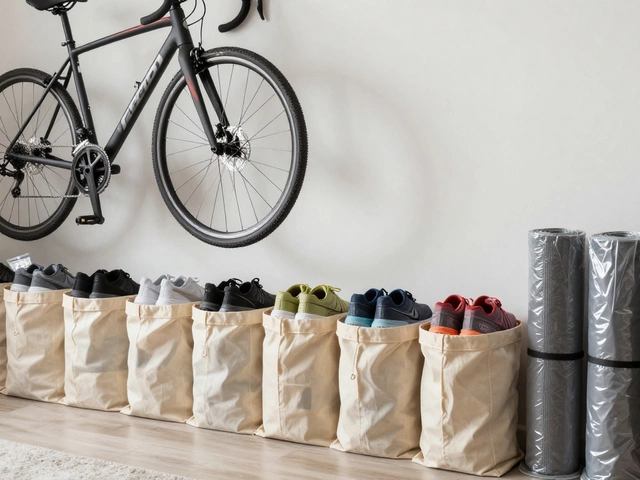
- Proper support: Don’t lean heavy items against walls where they can warp. Hang bicycles by their front wheel or use a floor stand. Store skis flat or vertically in racks to prevent tip damage.
For seasonal sports gear, consider vacuum-sealing non-rigid items like sleeping bags or winter jackets. However, avoid compressing foam pads or memory foam for long periods, as they may lose their resilience. Instead, store them loosely in breathable cotton sacks.
Lubrication and Mechanical Care
If your equipment has moving parts, it needs lubrication. Friction wears down metal and plastic surfaces, leading to stiffness and eventual failure. But using the wrong lubricant can be worse than none at all.
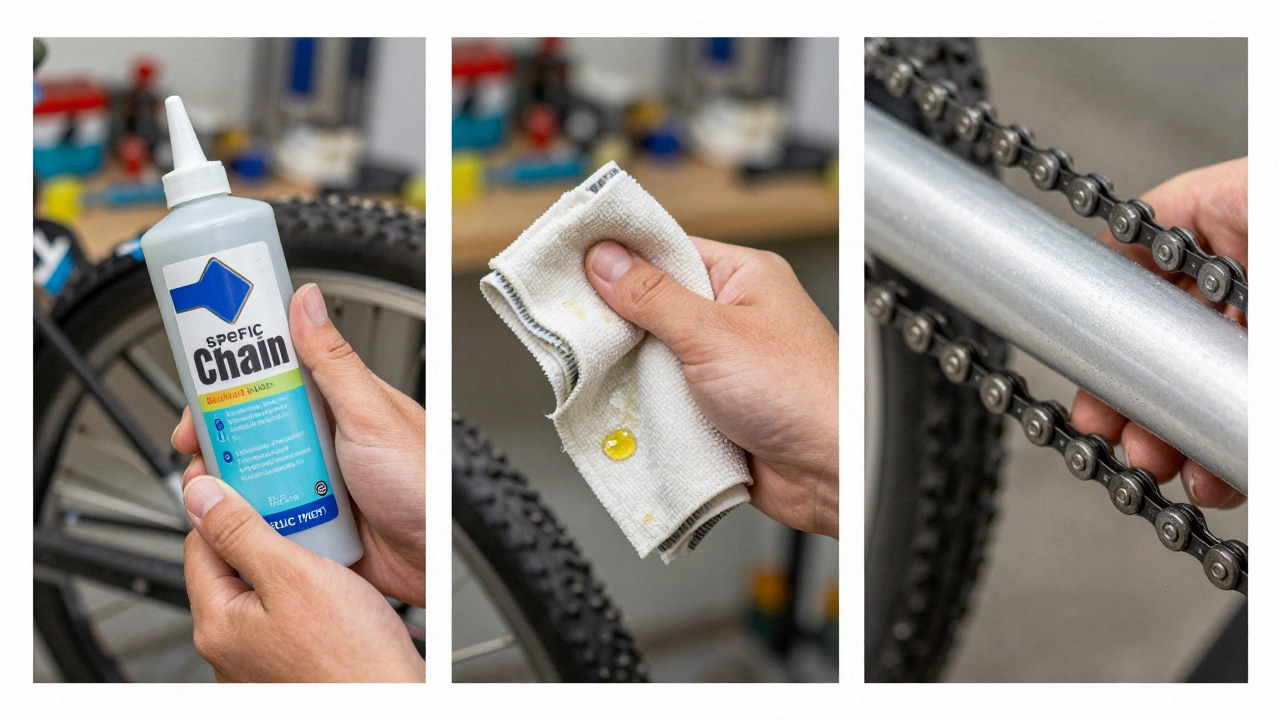
Bicycle chains require specific chain lube, not WD-40 (which is a solvent, not a lubricant). Apply lube to each link while pedaling backward, then wipe off excess. Excess oil attracts dirt, creating abrasive paste that grinds down gears. For indoor cyclists, use dry lube to minimize mess. Outdoor riders should use wet lube for better water resistance.
Ski bindings and pole baskets also benefit from occasional lubrication. Spray a little silicone-based lubricant on zipper tracks of backpacks and duffel bags to keep them sliding smoothly. Never use petroleum jelly on zippers-it gums up the teeth over time.
Golf clubs need attention too. Wipe the clubheads after every round to remove grass and soil. Dirt trapped in grooves reduces spin control. Use a tee to gently scrape debris from groove edges. Store clubs head-up in a bag to prevent sole plate corrosion.
When to Repair vs. Replace
Not everything can be fixed, and trying to patch unsafe gear is risky. Learn when to call it quits.
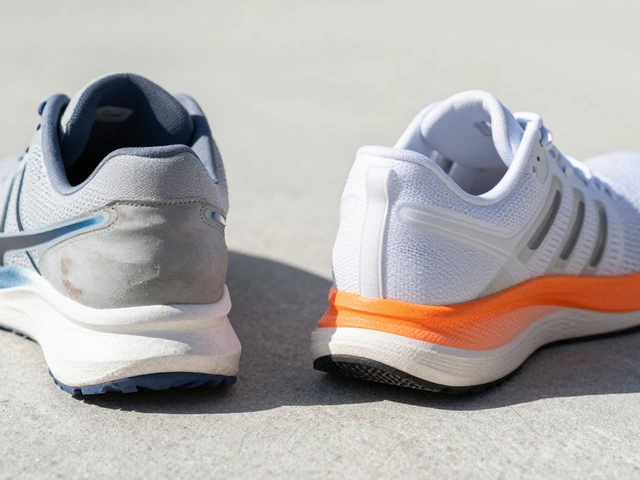
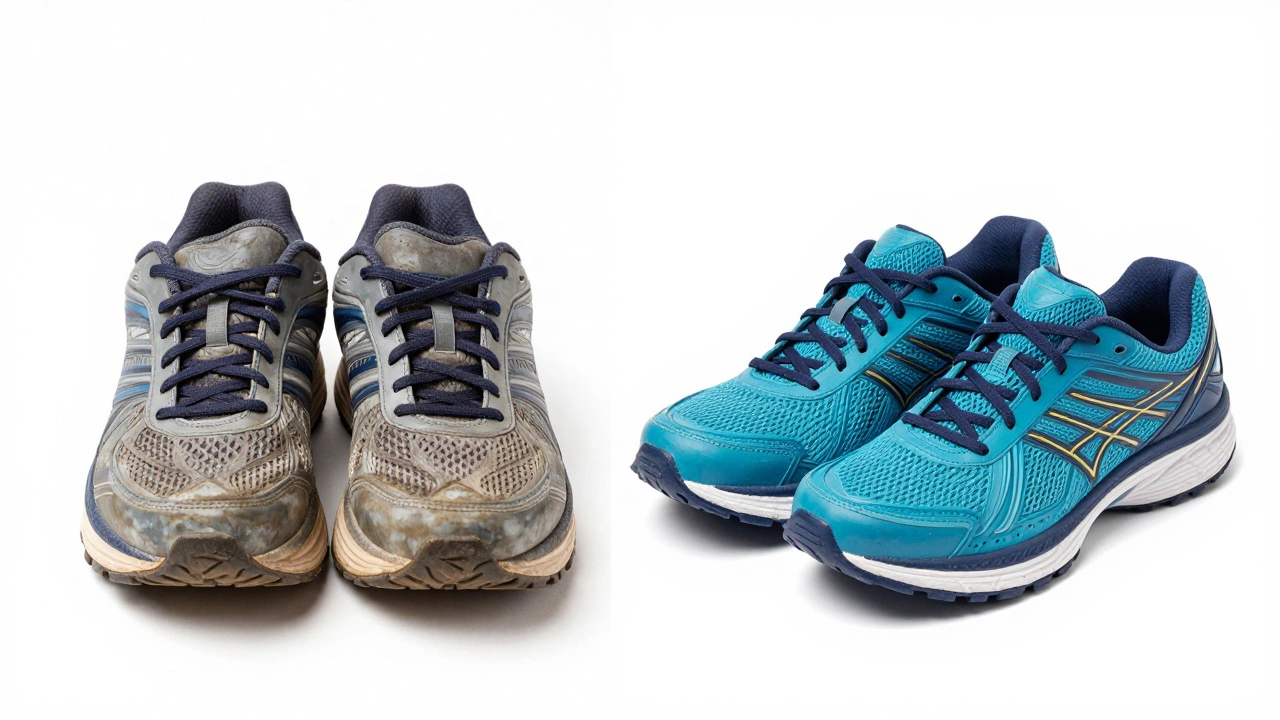
Replace running shoes when the midsole foam loses its bounce. A simple test: press your thumb into the midsole. If it feels hard and unyielding, the cushioning is gone. Typically, this happens around 500-800 miles, depending on weight and terrain.
Tennis strings lose tension quickly. If you’re hitting balls inconsistently, restring your racket. Professional players do it weekly; amateurs might manage monthly. Don’t try to tighten loose strings yourself-you’ll likely snap them or damage the frame.
Leather goods like baseball gloves or cricket pads can often be restored. Condition leather with specialized oils to prevent cracking. Stuff gloves with a ball overnight to maintain pocket shape. But if stitching is unraveling near stress points, get professional repairs. DIY fixes rarely hold up under game conditions.
Electronics, such as heart rate monitors or GPS watches, need battery care. Remove batteries if storing devices for months. Charge lithium-ion batteries partially (around 50%) rather than fully empty or full for long-term storage. This preserves battery health.
Seasonal Maintenance Checklist
Set calendar reminders twice a year-for spring and fall-to perform deep maintenance. During these windows:
- Inspect all safety gear for expiration dates and physical damage.
- Clean and condition leather items thoroughly.
- Check bicycle brake pads and cable tension.
- Rotate stock of consumables like grips, tapes, and balls.
- Update firmware on smart fitness devices.
This proactive approach prevents emergency breakdowns during peak season. Imagine showing up to a tournament only to find your racquet handle tape is peeling or your cleats have worn-out studs. Prevention beats panic every time.
DIY Fixes That Actually Work
Some issues are easy to fix at home. Loose screws on bike pedals? Tighten them with the correct Allen key. Torn seam on a duffel bag? Use a strong needle and nylon thread for a durable stitch. Peeling print on a jersey? Apply iron-on adhesive film to seal edges temporarily.
For squeaky hinges on lockers or gym benches, apply a tiny amount of graphite powder or PTFE spray. Avoid oily lubricants in public areas where they attract dust and create slip hazards.
Remember, small efforts yield big returns. Ten minutes of care today saves hours of frustration tomorrow. Treat your gear well, and it will serve you reliably for years.
Can I wash my sports shoes in the washing machine?
Generally, no. Machine washing damages adhesives and mesh structures. Hand-washing with mild soap and air-drying is safer. Only use machines if the manufacturer explicitly permits it, and always remove insoles and laces first.
How often should I replace my running shoes?
Every 500 to 800 miles, depending on your weight and running style. Check for worn treads and compressed midsoles. If your legs feel more fatigued after runs, it might be time for new shoes.
What is the best way to store a bicycle indoors?
Hang it by the front wheel from a ceiling hook or use a floor stand. Avoid leaning it against walls, which can bend rims or scratch paint. Keep it away from radiators and direct sunlight.
Should I use fabric softener on athletic clothes?
No. Fabric softeners coat synthetic fibers, reducing their ability to wick moisture away from your skin. This leads to discomfort and odor retention. Use technical detergents instead.
How do I know if my climbing rope needs replacement?
Replace it if you see significant fuzziness, hard spots, or if it has taken a major fall. Also follow the manufacturer’s lifespan recommendation, usually five years maximum, regardless of usage frequency.
Is WD-40 good for lubricating bike chains?
No. WD-40 is primarily a solvent and water displacer, not a long-term lubricant. It evaporates quickly and leaves metal vulnerable to rust. Use dedicated bicycle chain lube instead.
How can I remove odors from my gym bag?
Wash removable liners with antibacterial soap. Sprinkle baking soda inside the main compartment overnight to absorb smells. Air out the bag completely in sunlight before closing it again.