
Is Working Out 2 Hours a Day Too Much? A Realistic Guide
Workout Duration & Overtraining Checker
Check any symptoms you experience regularly:
Select your goal, enter duration, and check symptoms to see recommendations.
Duration Assessment:
Overtraining Risk:
You’ve probably seen those Instagram clips where someone is in the gym for three hours straight, looking like they live there. It makes you wonder: if one hour is good, two must be better, right? Not necessarily. The question isn't just about how much time you spend on the treadmill or lifting weights; it's about what that time does to your body. For most people, working out 2 hours a day sits in a gray area. It’s not inherently "too much," but it’s often unnecessary and can sometimes backfire if you aren’t structured correctly.
| Goal | Recommended Duration | Risk of 2-Hour Session | Key Factor |
|---|---|---|---|
| General Health | 30-60 minutes | Low (if low intensity) | Consistency matters more than duration. |
| Hypertrophy | 45-90 minutes | Moderate (Cortisol spike) | Rest periods between sets inflate time. |
| Endurance Training | 60-120+ minutes | Low (if progressive) | Athletes need volume for adaptation. |
| Fat Loss | 45-75 minutes | High (Diminishing returns) | Diet controls weight, not just cardio time. |
The Myth of "More Is Better"
We tend to equate effort with time. If you’re sweating for two hours, you feel productive. But physiology doesn’t care about your calendar; it cares about stimulus and recovery. When you train, you create micro-tears in muscle fibers and deplete energy stores. Growth happens when you rest, not when you lift. If you push too hard for too long without adequate recovery, you enter a state where your body breaks down faster than it rebuilds. This is the slippery slope of overtraining syndrome.
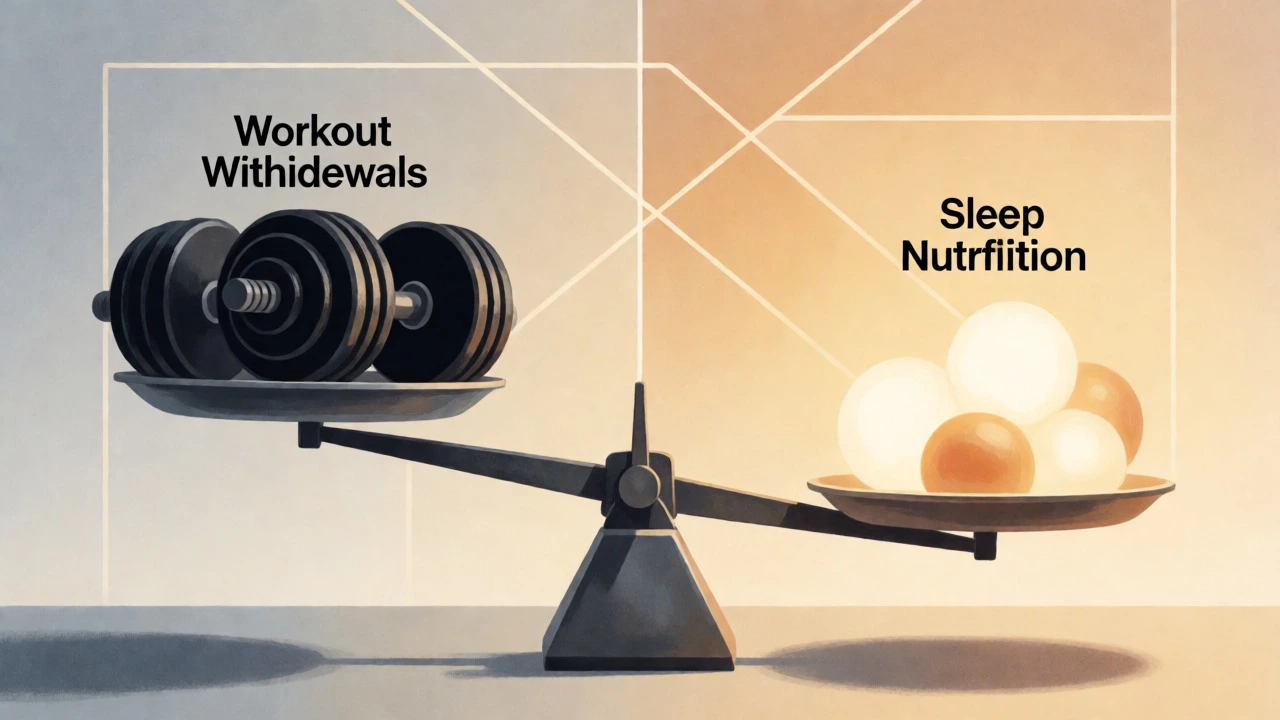
Think of your body like a bank account. Every intense workout is a withdrawal. Sleep and nutrition are deposits. If you make huge withdrawals (2-hour sessions) every day, you might run out of funds. You’ll start feeling tired, irritable, and weaker, even though you’re doing "more" work. It’s counterintuitive, but cutting your session short can actually boost your results because you maintain higher intensity throughout the entire block rather than dragging through the last 30 minutes on fumes.
When Two Hours Makes Sense
So, who actually needs to be in the gym for two hours? Usually, it’s athletes with specific performance goals. A marathon runner training for a sub-3-hour finish isn’t going to get there with a 30-minute jog. They need aerobic base building, which requires time on feet. Similarly, a bodybuilder preparing for a competition might spend an hour lifting and another hour on posing practice, mobility work, and targeted isolation exercises.
For these groups, the two hours aren’t just random time spent; they are structured blocks. Maybe the first hour is heavy compound lifts, followed by 30 minutes of accessory work, and finishing with 30 minutes of active recovery or flexibility training. If you split your day into two separate sessions-say, a morning run and an evening lift-the total daily volume hits two hours, but the stress per session remains manageable. This approach allows your nervous system to recover between bouts, making the high volume sustainable.

Signs You’re Doing Too Much
How do you know if your two-hour habit is hurting you? Your body gives clear signals if you pay attention. Here are the red flags that suggest your current routine is excessive:
- Persistent Fatigue: You wake up tired no matter how many hours you sleep. Coffee doesn’t fix it.
- Performance Plateaus: Your lifts aren’t going up, or your running pace is slowing down despite increased effort.
- Irritability and Mood Swings: Overtraining spikes cortisol, the stress hormone. You might find yourself snapping at friends or family for no reason.
- Frequent Illness: Intense exercise temporarily suppresses the immune system. If you’re catching every cold going around, your volume might be too high.
- Joint Pain: Muscles can adapt quickly, but tendons and ligaments lag behind. Persistent ache in elbows, knees, or shoulders is a warning sign.
If you check three or more of these boxes, try cutting your session length by 20% for two weeks. See if your energy levels rebound. Often, less volume leads to better recovery and, paradoxically, better performance.
Quality Beats Quantity Every Time
Let’s look at efficiency. Can you get a better workout in 45 minutes than in two hours? Absolutely. It comes down to density. In a well-designed session, you minimize downtime. Instead of scrolling through your phone for five minutes between sets, you use that time for mobility drills or simply focus on your breathing. High-intensity interval training (HIIT) is a prime example. Twenty minutes of true HIIT can elevate your metabolism for hours post-workout, offering benefits comparable to a steady-state cardio session twice as long.
Consider the concept of "junk volume." This refers to extra sets or exercises that add fatigue but little stimulus. If you’re doing ten sets of bicep curls when six would suffice, the last four are junk. They tire you out for the next exercise but don’t help you grow. Trimming this fat from your routine saves time and protects your joints. Ask yourself during each set: Am I still moving with control? Am I still hitting the target muscles? If the answer is no, stop. There’s no badge of honor for finishing a workout while your form has disintegrated.
Structuring a Sustainable Routine
If you love being in the gym and want to stay for longer periods, structure is your best friend. Don’t just wander aimlessly. Break your two hours into distinct phases. Here’s a template for a balanced two-hour session that avoids burnout:
- Warm-up and Mobility (15 mins): Dynamic stretching to prepare joints and raise core temperature. Never skip this.
- Main Lifts (45 mins): Focus on big movements like squats, deadlifts, or bench presses. Rest adequately here; quality reps matter most.
- Accessory Work (30 mins): Target smaller muscle groups or weak points. Keep intensity moderate.
- Cardio or Conditioning (20 mins): Steady-state jogging, cycling, or rowing. Keep heart rate in Zone 2 (conversational pace).
- Cool Down and Stretch (10 mins): Static stretching to aid recovery and signal to your nervous system that the work is done.
This structure ensures that the "extra" time is used purposefully. It’s not just about enduring pain; it’s about comprehensive development. If you find yourself rushing the warm-up or skipping the cool-down to fit everything in, your session is likely too long for your current fitness level.
Listen to Your Body, Not the Clock
There is no magic number that applies to everyone. Genetics, age, sleep quality, and stress levels all play a role. A 25-year-old athlete with perfect sleep habits might thrive on two-hour sessions, while a 45-year-old parent with poor sleep might struggle with even 60 minutes. The key is self-awareness. Track your workouts. Note how you felt before, during, and after. Did you enjoy it? Did you feel energized or drained?
Remember, consistency wins. It is far better to show up for 45 focused minutes five days a week than to crush yourself with two-hour sessions three days a week and quit because you’re exhausted. Fitness is a marathon, not a sprint. Adjust your duration based on feedback from your body, not social media trends. If two hours feels good and you’re recovering well, keep going. If it feels like a chore and you’re constantly sore, scale back. The best workout is the one you can repeat tomorrow.
Is working out 2 hours a day bad for my heart?
Not necessarily. Moderate to vigorous exercise strengthens the heart. However, extreme endurance events or chronic overtraining without rest can lead to temporary cardiac strain. For most people, 2 hours of mixed activity is safe, provided you have a healthy baseline and stay hydrated. If you experience chest pain or irregular heartbeats, consult a doctor immediately.
Can I lose weight faster by working out 2 hours a day?
You might burn more calories during the session, but weight loss is primarily driven by diet. Excessive exercise can increase hunger hormones, leading to overeating. Furthermore, prolonged cardio can cause muscle loss if protein intake is insufficient, lowering your metabolic rate. A shorter, more intense workout combined with a calorie-controlled diet is often more effective for sustainable fat loss.
What should I eat if I train for 2 hours?
Hydration is critical. For sessions lasting over 60 minutes, consider intra-workout carbs (like sports drinks or gels) to maintain blood sugar levels. Post-workout, prioritize protein and carbohydrates within an hour to replenish glycogen stores and repair muscle tissue. Ignoring nutrition during long sessions can lead to dizziness and poor recovery.
Does working out 2 hours a day cause muscle loss?
It can, if the exercise is primarily cardio-based and you aren’t eating enough calories. Long-duration cardio can trigger catabolism, where the body breaks down muscle for energy. To prevent this, include resistance training in your routine and ensure you’re consuming sufficient protein. Strength training helps preserve lean mass even during caloric deficits.
How do I know if I’m overtraining?
Look for persistent symptoms like elevated resting heart rate, disturbed sleep, decreased appetite, and lack of motivation. If you feel "wired but tired" or notice your strength numbers dropping despite consistent effort, take a deload week. Reduce volume or intensity by 50% to allow your central nervous system to reset.