Should I Exercise After Eating? Timing Your Workouts for Best Results
Pre-Workout Timing Calculator
Enter your last meal details and planned activity to get a personalized recommendation.
Recommended Wait Time:
--
Explanation will appear here.
You just finished a hearty lunch. The plate is empty, but your energy levels are plummeting as blood rushes to your stomach to handle the food. You have a gym session scheduled in thirty minutes. Do you go? Or do you wait? This isn't just about comfort; it’s about performance and physiology. The answer depends entirely on what you ate, how much you ate, and what kind of movement you plan to do.
The Physiology of Digestion vs. Exertion
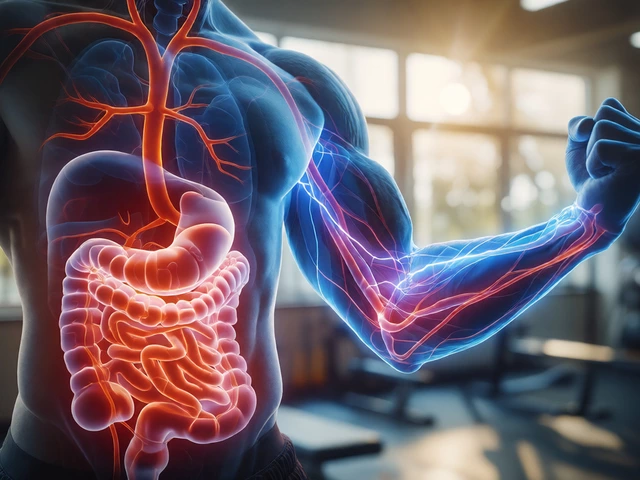
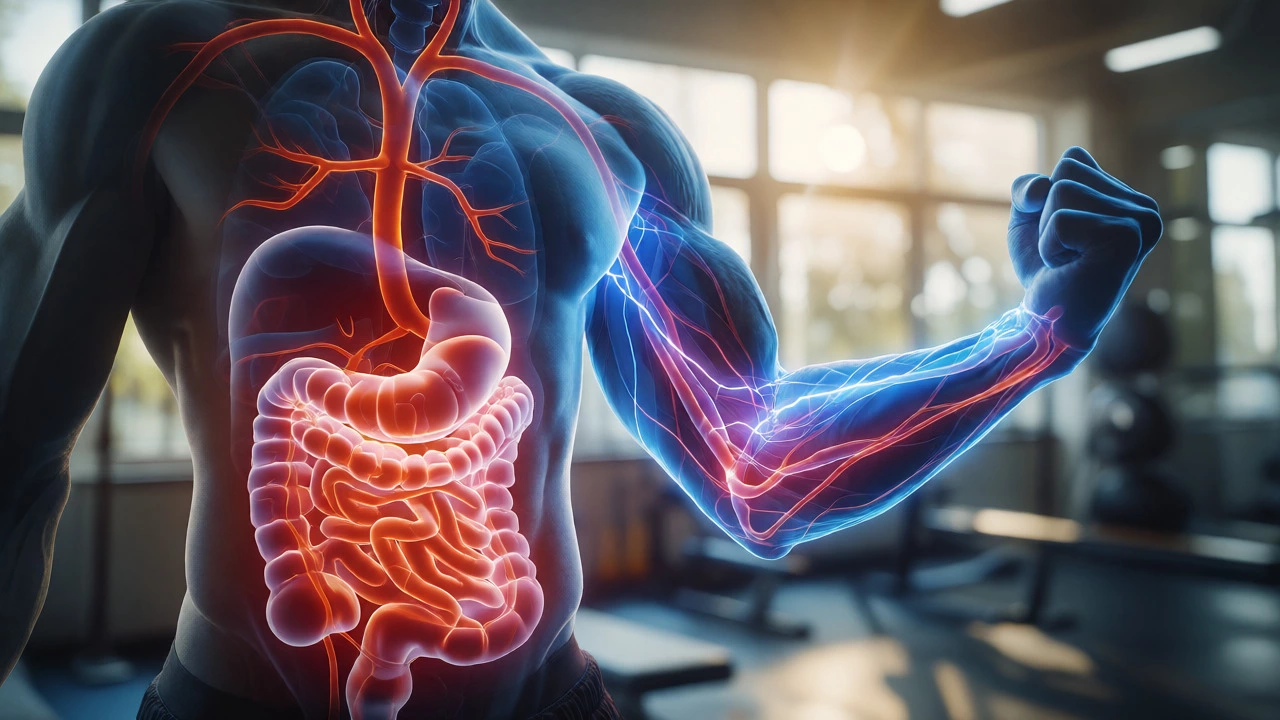
Your body has two main modes: "rest and digest" (parasympathetic) and "fight or flight" (sympathetic). When you eat, your body prioritizes the first mode. Blood flow shifts to your gastrointestinal tract to break down nutrients. If you immediately start sprinting or lifting heavy weights, your muscles demand that same blood supply. This creates a conflict. Your stomach doesn't get enough blood to digest properly, leading to cramps, nausea, or sluggishness. Meanwhile, your muscles don't get the oxygen they need, reducing your power output.
However, waiting too long can also be detrimental. If you wait four hours after a meal, your blood sugar might drop, leaving you feeling lightheaded during a high-intensity interval training (HIIT) session. The sweet spot lies in understanding digestion time.
How Long Should You Wait?
There is no single rule for everyone, but general guidelines exist based on meal size and composition. Think of your stomach as a processing plant. A large steak dinner takes longer to process than a banana.
- Small Snack (100-200 calories): Wait 30-60 minutes. Foods like a piece of fruit, a small yogurt, or a few crackers digest quickly because they are simple carbohydrates with low fat and fiber.
- Moderate Meal (400-600 calories): Wait 1-2 hours. This includes a chicken salad, a turkey sandwich, or oatmeal with nuts. The protein and fats slow down gastric emptying.
- Large Meal (800+ calories): Wait 2-4 hours. A burger with fries, pasta with creamy sauce, or a full roast dinner requires significant time for the stomach to clear into the small intestine.
If you ignore these windows, you risk experiencing side stitches (exercise-related transient abdominal pain) or gastroesophageal reflux disease (GERD), where acid creeps up your esophagus during jarring movements like running.
What to Eat Before a Workout
Not all foods sit in your stomach equally. To maximize energy without discomfort, focus on macronutrient balance. Carbohydrates are your primary fuel source for moderate-to-high intensity exercise. Protein helps stabilize blood sugar and prevents muscle breakdown, but it digests slower. Fat slows digestion significantly, so keep it low before a workout.
| Timing Before Workout | Recommended Food Type | Examples | Avoid |
|---|---|---|---|
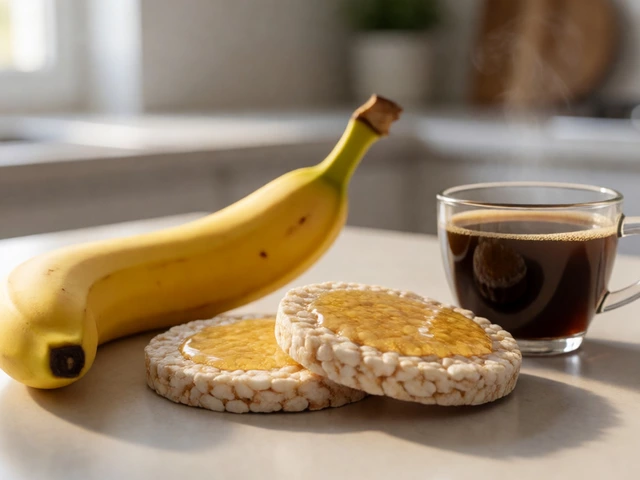
| 30-60 Minutes | Simple Carbs | Banana, Apple Sauce, Sports Drink | Nuts, Avocado, Fried Foods |
| 1-2 Hours | Complex Carbs + Moderate Protein | Oatmeal with Berries, Greek Yogurt, Toast with Jam | High-Fiber Vegetables, Heavy Cream Sauces |
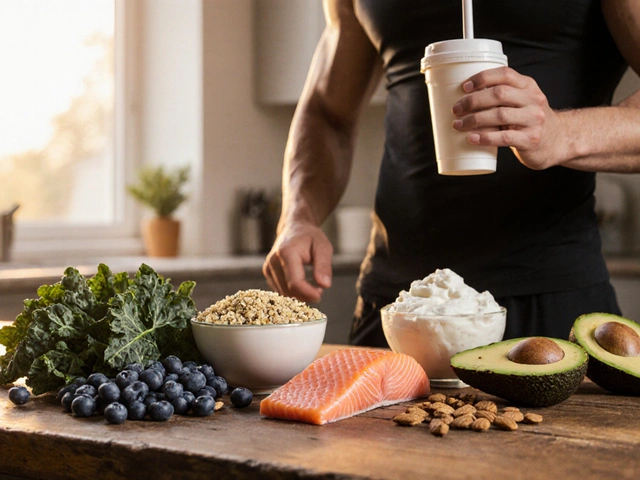
| 2-4 Hours | Balanced Meal | Chicken Breast with Rice, Salmon with Quinoa, Tofu Stir-fry | Very Large Portions, Spicy Dishes |
Does the Type of Exercise Matter?
Absolutely. The intensity and nature of your movement dictate how tolerant your stomach will be.
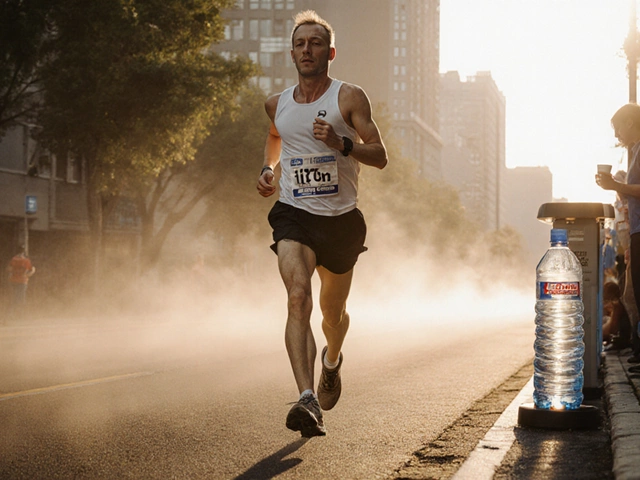
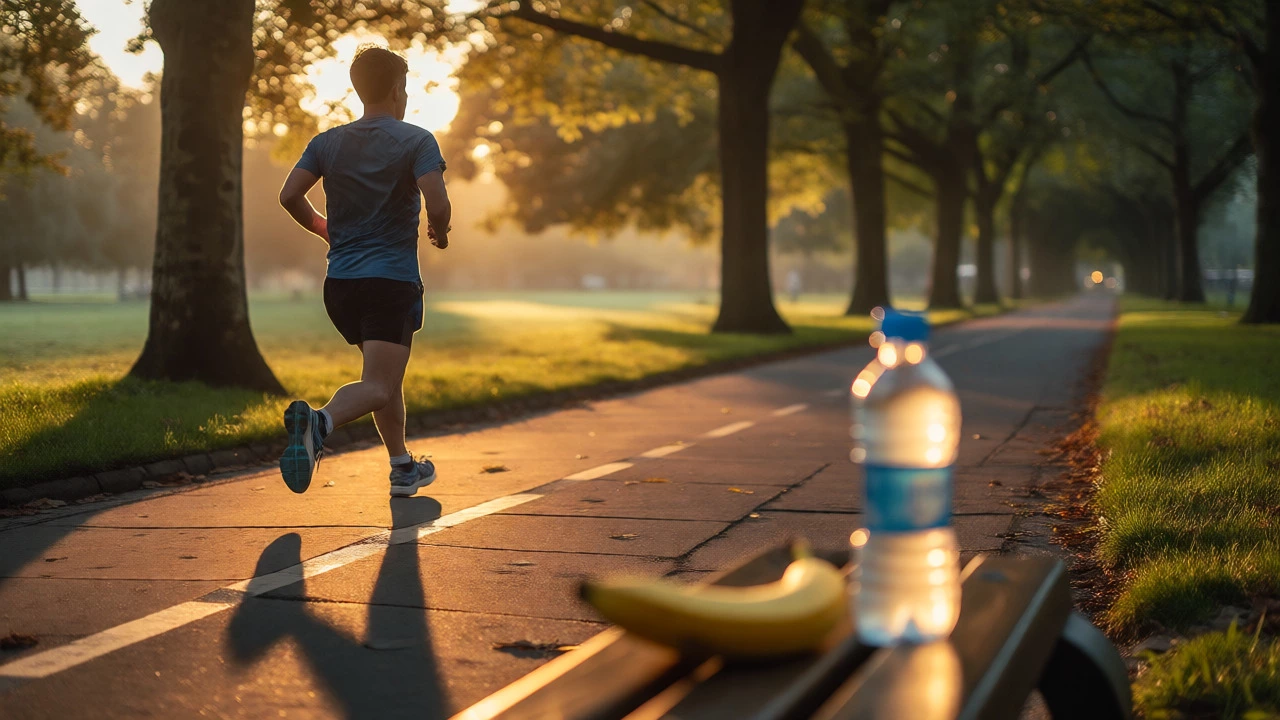
Running and High-Impact Cardio: These activities involve vertical bouncing, which physically jostles the stomach contents. Running on a full stomach is a recipe for disaster. Even a moderate meal eaten 90 minutes prior might cause discomfort if you are doing sprints. Walking, however, is different. In fact, a light walk after eating aids digestion by stimulating peristalsis-the wave-like muscle contractions that move food through the gut.
Strength Training: Lifting weights involves less whole-body jarring than running. However, exercises that compress the abdomen, such as squats, deadlifts, or planks, increase intra-abdominal pressure. If your stomach is distended from a large meal, these movements can trigger acid reflux or nausea. Many lifters find they perform best when they feel slightly hungry, not stuffed.
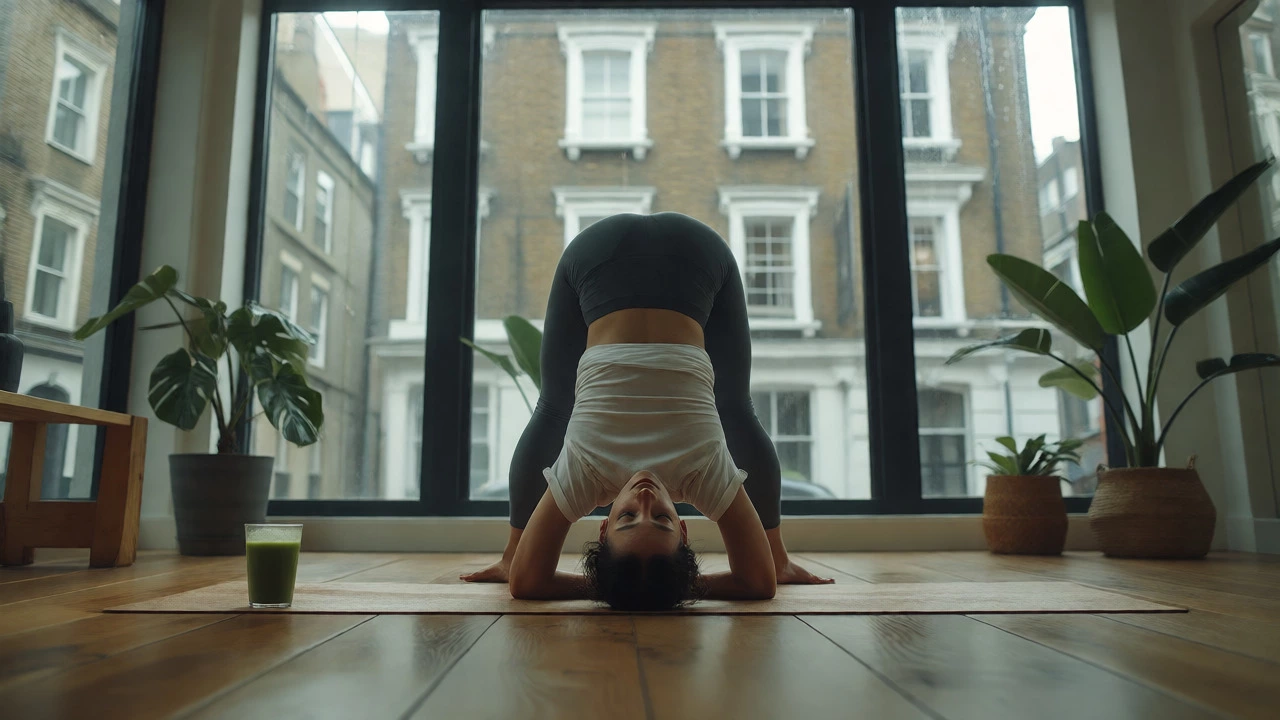
Yoga and Pilates: These disciplines often involve inversions (head below heart) and deep twists. Performing these on a full stomach is generally uncomfortable and counterproductive. Aim to finish eating at least two hours before class, or stick to a very small liquid snack like a smoothie an hour before.
The Myth of Fasted Cardio
You’ve likely heard that exercising on an empty stomach burns more fat. While technically true that glycogen stores are lower, meaning your body taps into fat reserves earlier, the total calorie burn over 24 hours remains similar. More importantly, working out fasted can lead to reduced performance. If you cannot run as fast or lift as heavy because you lack glucose, your overall metabolic stimulus decreases. For most people, having a small amount of accessible carbohydrate in the system yields better workout quality, which leads to better long-term results.
Signs You Need to Adjust Your Timing
Listen to your body. It gives clear signals if you’ve mistimed your fueling.
- Sluggishness: You feel heavy and lethargic. This usually means you ate too much or too recently. Blood is still heavily concentrated in the gut.
- Cramping or Side Stitches: Sharp pains under the rib cage. This indicates gastric distress due to mechanical stress on a full stomach.
- Lightheadedness: Feeling dizzy or shaky suggests your blood sugar has dropped too low, indicating you waited too long or didn’t eat enough carbs.
- Reflux: A burning sensation in the chest or throat. This is common with acidic foods or large volumes of liquid consumed right before bending or lying down.
Practical Strategy for Busy Schedules
Most people don’t have the luxury of planning meals around workouts perfectly. If you work late and hit the gym at 7 PM, you can’t always eat lunch at noon and wait five hours. Here is a tactical approach:
- Front-load your day: Eat larger meals earlier in the day when you have time to digest.
- Use liquid calories: Smoothies or protein shakes with simple carbs digest faster than solid food. They provide energy without sitting heavy in the stomach.
- Split your evening meal: Eat half your dinner before the workout and the other half after. This provides fuel for the session and recovery nutrients afterward without overloading the stomach.
- Experiment: Keep a log for one week. Note what you ate, when you ate it, and how you felt during the workout. Patterns will emerge quickly.
Frequently Asked Questions
Is it bad to exercise immediately after eating?
It is not necessarily "bad," but it is often inefficient. Exercising immediately after a large meal diverts blood away from the digestive system, which can cause indigestion, cramping, and nausea. It also limits your athletic performance because your muscles aren't getting optimal blood flow. Light walking is an exception, as it can actually aid digestion.
How many hours should I wait after eating before working out?
For a small snack, wait 30-60 minutes. For a moderate meal, wait 1-2 hours. For a large, heavy meal, wait 2-4 hours. The exact time depends on the food's fat and fiber content, as well as your individual digestion speed.
Can I drink water while exercising after eating?
Yes, staying hydrated is crucial. However, drinking large amounts of water right before or during intense exercise on a full stomach can slosh around and cause discomfort. Sip water steadily rather than gulping large quantities at once.
Does eating before exercise help build muscle?
Yes. Having amino acids and glucose available in your bloodstream during resistance training can reduce muscle protein breakdown and improve performance, allowing you to lift heavier or train longer, which stimulates greater muscle growth.
What if I get sick every time I run after eating?
This is common among runners. Try switching to easily digestible carbohydrates like white rice or bananas instead of high-fiber or fatty foods. Also, ensure you are not consuming too much fluid volume close to the run. Gradually increasing your running distance can also help condition your gut.