What is the Slang for Boxing Match? A Guide to Fight Night Lingo
Boxing Slang Decoder
Select a term below to learn its meaning, appropriate context, and who typically uses it.
Select a term from the list to reveal its definition and context.
You hear it on the street in Dublin, you see it in the comments section of a UFC press conference, and you definitely hear it from old-school trainers in gritty gyms: boxing has its own language. If you ask someone what they are doing this Saturday, they might not say "I am going to watch a boxing match." They might say they are heading to a "fight night," catching a "brawl," or witnessing a "slugfest." But if you want to sound like you belong in the ring-or at least in the front row-you need to know the specific slang used to describe the event itself.
The question isn't just about vocabulary; it's about culture. Boxing is one of the oldest sports, and like any community with deep roots, it developed a shorthand. This guide breaks down exactly what people mean when they use different terms for a boxing match, why those terms exist, and which ones fit which context. Whether you are a new fan trying to follow the conversation or a writer looking for the right word, understanding this lingo changes how you experience the sport.
The Core Term: Why "Fight" is King
Let’s cut to the chase. The most common slang for a boxing match is simply a fight. While "match" is the formal term used by promoters and commissions, fans and insiders almost exclusively use "fight." You don't buy tickets to a "match"; you buy tickets to a "fight." You don't watch a "match" on pay-per-view; you watch a "fight."
This shift from "match" to "fight" reflects the primal nature of the sport. In tennis or soccer, a "match" implies a game played under rules where points are accumulated. In boxing, while there are rules, the core action is combat. Calling it a "fight" strips away the pretense of sport-as-game and highlights the conflict. It’s direct. It’s visceral. And it’s what everyone actually says.
However, "fight" is generic. It applies to MMA, kickboxing, and even a bar scuffle. To be precise within the world of gloved combat, we need more specific terms that capture the vibe, the stakes, and the style of the bout.
Describing the Action: Slugfests, Brawls, and Clinches
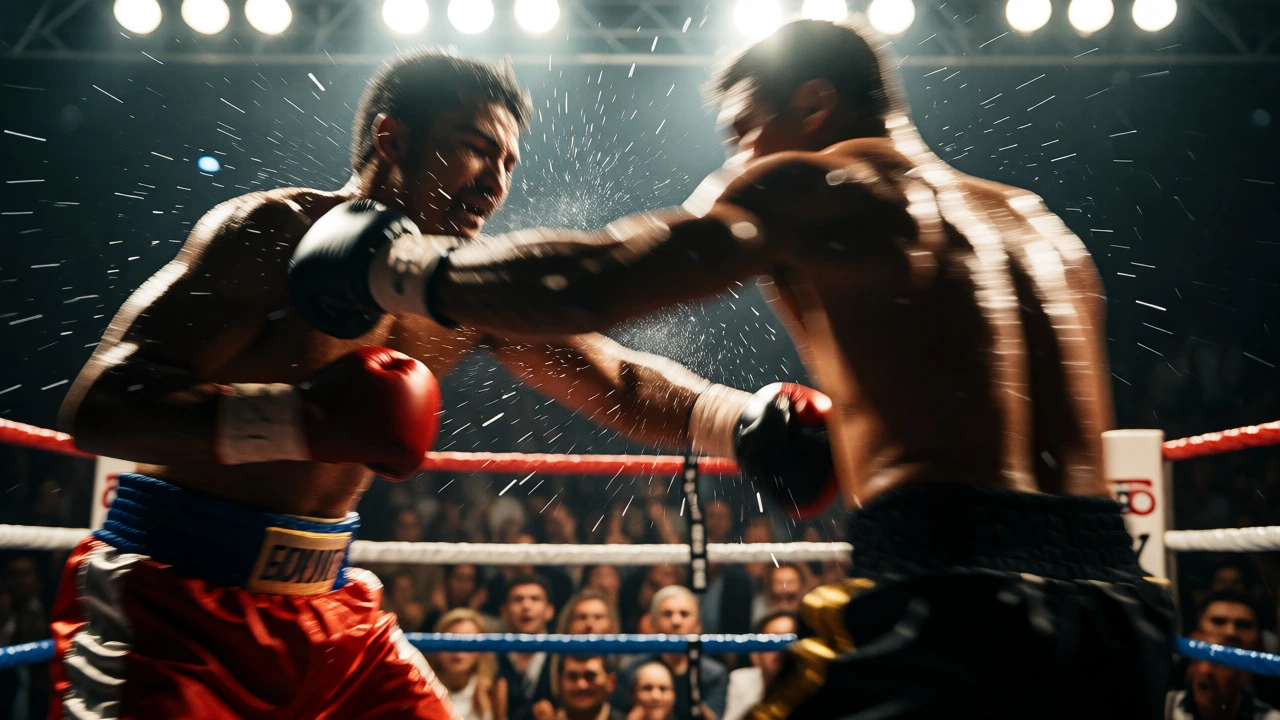
Not all fights are created equal. The slang often describes the *style* of the contest rather than just the event itself. If two fighters are trading heavy blows with little defense, you’ll hear commentators call it a slugfest. This term suggests a back-and-forth exchange where both participants are absorbing punishment and dishing it out. Think of the famous Gatti vs. Ward trilogy-those weren't just matches; they were legendary slugfests.
A related term is a brawl. While similar to a slugfest, a brawl implies chaos. It’s messy. Fighters might be holding each other, slipping punches, and fighting in close quarters. A brawl lacks the technical precision of a tactical battle. If you’re telling a friend about a wild, unpredictable night at the arena, saying "it was a total brawl" sets the expectation for excitement over elegance.
On the opposite end of the spectrum, you have a clash or a skirmish. These terms are often used for preliminary bouts or less significant matches. A "skirmish" might refer to an amateur bout or a tune-up fight where the stakes are low. It minimizes the importance of the event. Conversely, a "clash" sounds more dignified, often used in promotional materials for high-profile but non-title bouts to make them sound important without promising a championship-level war.
The Stakes: Title Fights, Unifications, and Grudge Matches
Slang also communicates the significance of the match. A standard bout is just a fight. But when belts are on the line, the language shifts.
- Title Fight: The standard term for a bout where a championship belt is awarded. No real slang here, just clarity.
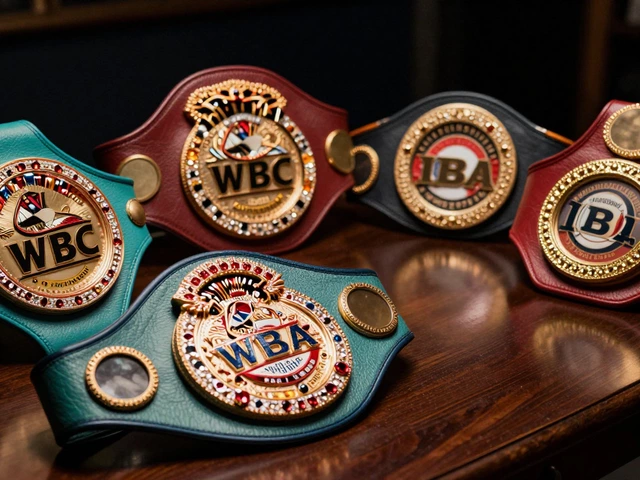
- Unification Bout: When two champions from different organizations (like WBC and IBF) fight to combine their titles. Fans might call this a "unifier" or simply a "big money fight." The slang here is economic because these fights are rare and lucrative.
- Grudge Match: This is pure drama. A grudge match isn't just about skill; it's about history. Two fighters who hate each other, perhaps due to past controversies, weight-cutting issues, or verbal insults, meet in a grudge match. The slang emphasizes the emotional narrative over the athletic one. Promoters love this term because it sells tickets based on personality clashes.
- Rematch: Simple, but potent. If Fighter A lost to Fighter B, the next time they meet, it’s the rematch. Fans often add adjectives: "The revenge tour," "The rubber match" (if they split the first two), or "The trilogy." Using "rubber match" shows you know your sports idioms.
There is also the term Superfight. This is marketing slang. It refers to a matchup between two highly skilled, popular fighters, regardless of whether a title is on the line. Think Mayweather vs. McGregor. It wasn't a traditional boxing title fight, but it was sold as a superfight. The implication is that the talent level is so high, the event transcends normal categorization.
Regional and Historical Slang: From Pugs to Gloves
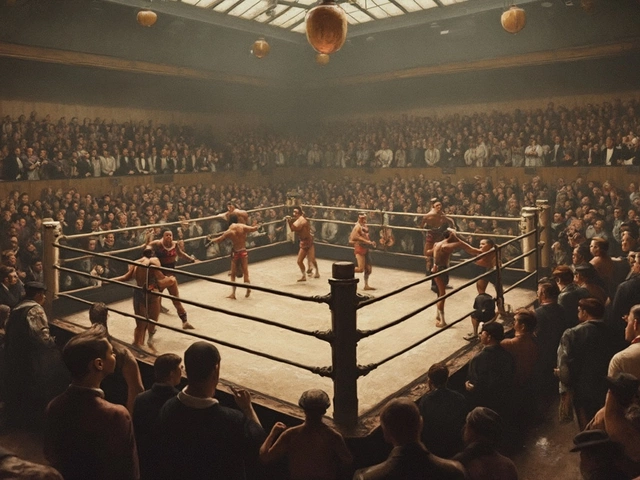
Boxing has centuries of history, and some slang dates back to bare-knuckle days. While rarely used in modern arenas, you might hear older trainers or die-hard historians use them.
Pugilistic Encounter: This is the formal, almost humorous way to refer to a fight. "Pugilism" is the old word for boxing. Saying you're watching a "pugilistic encounter" sounds academic and slightly outdated, but it carries a certain charm.
Bout: This is the official term used in scoring and records. You won't hear a casual fan say, "Hey, did you see that bout last night?" unless they are trying to sound technical. However, in the context of betting or judging, "bout" is the correct noun. It distinguishes the individual contest from the entire evening's card, which is called the "show" or the "card."
In Ireland and the UK, you might hear the term scrap. "He's in for a scrap tonight." It’s informal, working-class slang that reduces the glitz of professional boxing to a simple physical altercation. It fits the gritty image of many European boxing gyms. Similarly, in American inner-city gyms, you might hear ruckus or rumble, though these are less common now than they were in the 1970s and 80s.
Context Matters: When to Use Which Term
Using the wrong slang can make you look like you don't understand the sport. Here is a quick guide on matching the term to the situation.
| Term | Best Used For | Tone | Who Uses It |
|---|---|---|---|
| Fight | General conversation, buying tickets, TV commentary | Neutral, Direct | Everyone |
| Bout | Official records, betting slips, technical analysis | Formal, Precise | Judges, Bookies, Historians |
| Slugfest | Action-packed, high-volume punch exchanges | Excited, Descriptive | Fans, Commentators |
| Grudge Match | Rivalries, personal animosity, media hype | Dramatic, Emotional | Promoters, Media |
| Scrap | Informal chats, emphasizing toughness | Gritty, Casual | Trainers, Old-timers, UK/Ireland fans |
| Card | The entire event including multiple fights | Organizational | Promoters, Venue Staff |
Notice the distinction between the "fight" and the "card." A boxing event usually features 6-12 bouts. The whole evening is the "card." If you say, "I'm going to a boxing match," you might get corrected if you meant the whole show. You go to the "show" to watch the "main event fight." This hierarchy is crucial for clear communication.
Why Does Boxing Have So Much Slang?
You might wonder why football doesn't have ten words for a game, but boxing seems to have dozens. It comes down to the nature of the competition. In team sports, the outcome is often determined by complex systems of play. In boxing, it's two individuals against each other. The simplicity of the setup allows for more focus on the *style* of the engagement.
Furthermore, boxing is deeply tied to gambling and promotion. Every term serves a purpose. "Slugfest" tells a bettor to expect high action and potential knockdowns. "Technical decision" tells a judge to expect low volume and high skill. The slang acts as a code that conveys information quickly. When a promoter calls a fight a "must-see spectacle," they are using slang to bypass rational analysis and appeal to emotion.
Also, consider the geography. Boxing thrives in specific urban centers-New York, London, Dublin, Las Vegas. Each city has its own flavor of slang. In New York, you might hear "gloves off" meaning the serious part of training or the fight itself. In London, "proper scrap" is common. Understanding these regional nuances adds depth to your appreciation of the global sport.

Common Misconceptions About Boxing Lingo
One big mistake newcomers make is confusing "TKO" with the name of the match. TKO (Technical Knockout) is the result, not the event. You don't go to a "TKO." You go to a fight that ends in a TKO.
Another misconception is that all slang is derogatory. Some fans think calling a fight a "brawl" is an insult to the fighters' skills. Not necessarily. Many fans prefer brawls to tactical chess matches. If a fighter is known for power, being called a "brawler" is a compliment to his aggression. Context is key. If a technician loses to a brawler, the loser might dismiss the win as "just luck," but the winner will claim he brought the heat.
Finally, don't mix up MMA slang with boxing slang too much. While the sports share DNA, boxing purists bristle when you call a boxing match a "cage fight" or reference "ground and pound." Keep the terminology distinct. Boxing is about standing combat. The slang reflects that upright tradition.
How to Sound Like a Local in Dublin
Since I’m writing this from Dublin, let me give you a local perspective. Irish boxing culture is intense. We produce world champions regularly. Here, the slang is respectful but tough. You won’t hear people mocking the sport. Instead, you’ll hear terms like "hard man" or "tough nut" describing the fighters. The match itself might be referred to as a "test" or a "trial." "It’s a proper test for him," a trainer might say before a young prospect faces a veteran. This frames the match not just as entertainment, but as a rite of passage.
If you’re chatting with locals outside a venue like the National Stadium, keep it simple. "Good fight?" "Yeah, solid bout." "Bit scrappy in the early rounds." That’s natural. Don’t try to force "pugilistic encounter" into casual conversation unless you want laughs. Authenticity beats complexity every time.
Final Thoughts on Choosing Your Words
So, what is the slang for a boxing match? There isn't one single answer. It depends on who you are talking to and what happened in the ring. Use "fight" for general talk. Use "slugfest" when the action was furious. Use "grudge match" when the story mattered more than the technique. Use "bout" when you need to be precise.
Language evolves. New stars emerge, and new phrases catch on. Maybe tomorrow, "vibe check" will be the term for a pre-fight face-off. But for now, stick to the classics. They’ve stood the test of time because they work. Next time you head to a fight, listen closely to the chatter around you. You’ll hear the history of the sport in every syllable.
Is "bout" considered slang for a boxing match?
No, "bout" is the formal, official term used in regulations, record-keeping, and betting. While casual fans might use it, it is not slang; it is the standard noun for a single contest within a boxing event. Slang terms like "fight," "slugfest," or "scrap" carry emotional or descriptive weight that "bout" does not.
What is the difference between a "fight" and a "card"?
A "fight" refers to a single contest between two boxers. A "card" refers to the entire event, which includes multiple fights (undercards and the main event). If you buy a ticket to a boxing show, you are attending a card, which consists of several bouts.
Why do people call a boxing match a "slugfest"?
People use "slugfest" to describe a fight where both boxers engage in aggressive, back-and-forth punching exchanges with minimal defensive maneuvering. It implies high action, frequent knockdowns, and a lack of tactical subtlety, prioritizing excitement and violence over technical precision.
Is "grudge match" only used in boxing?
While "grudge match" is heavily used in boxing and MMA, it appears in other competitive fields like politics, business, and team sports. However, in combat sports, it specifically denotes a fight driven by personal animosity or a desire for revenge, rather than just ranking or title implications.
What is a "rubber match" in boxing?
A "rubber match" is the third fight between two boxers after they have split the previous two contests (each winning one). It determines the overall series winner. The term comes from lawn bowling and bridge, indicating the final, decisive contest.