Why Is Sports Gear Important for Performance and Safety?
Sports Gear Safety Checker
This tool helps you understand how your sports gear affects injury risk. Based on data from the Journal of Sports Sciences and CDC guidelines, select your activity and gear condition to see your personalized risk assessment.
Think about the last time you laced up your shoes for a run, slipped on a pair of gloves for lifting, or pulled on a jersey for a weekend game. You didn’t just put on clothes-you put on tools. Sports gear isn’t just about looking the part. It’s what lets you move better, stay safe, and push harder without breaking down.
It’s Not Just Comfort-It’s Physics
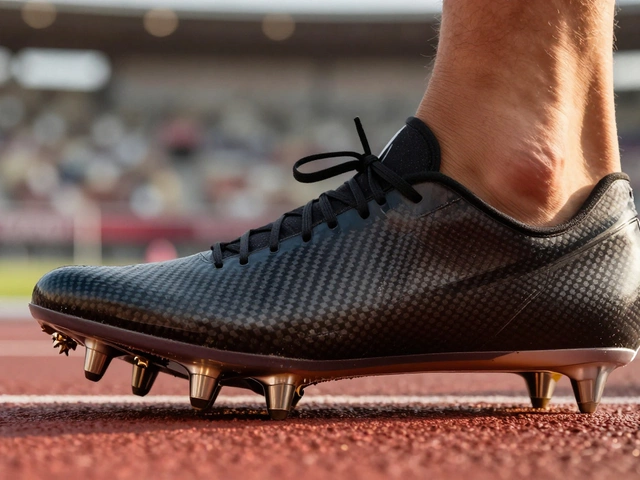
Good sports gear works with your body, not against it. Take running shoes, for example. A pair designed for your foot type and stride doesn’t just feel nice-it reduces impact on your knees by up to 30% compared to worn-out or mismatched shoes. That’s not marketing fluff. A 2023 study from the Journal of Sports Sciences showed runners using properly fitted footwear had 22% fewer overuse injuries over a six-month period.
Compression sleeves? They’re not just for pro athletes. They help blood flow return to your heart faster after intense effort, cutting down on muscle soreness. Even something as simple as moisture-wicking fabric keeps sweat off your skin, preventing chafing and rashes that can sideline you for days.
Safety Isn’t Optional-It’s Built In
Ever seen someone play football without a helmet? Or go mountain biking without a mouthguard? It’s not bravery-it’s recklessness. Sports gear like helmets, shin guards, and mouthguards aren’t accessories. They’re your body’s last line of defense.
In contact sports like rugby or boxing, head injuries are a real risk. The CDC reports that over 200,000 sports-related concussions happen each year in the U.S. alone. Wearing a properly certified helmet can reduce the risk of severe head trauma by more than half. Same goes for knee braces in basketball or wrist guards in skateboarding. These aren’t for beginners-they’re for anyone who wants to keep playing long-term.
Performance Gains Are Real-And Measurable
Let’s be clear: gear won’t turn you into a champion overnight. But it can give you the edge you didn’t know you were missing.
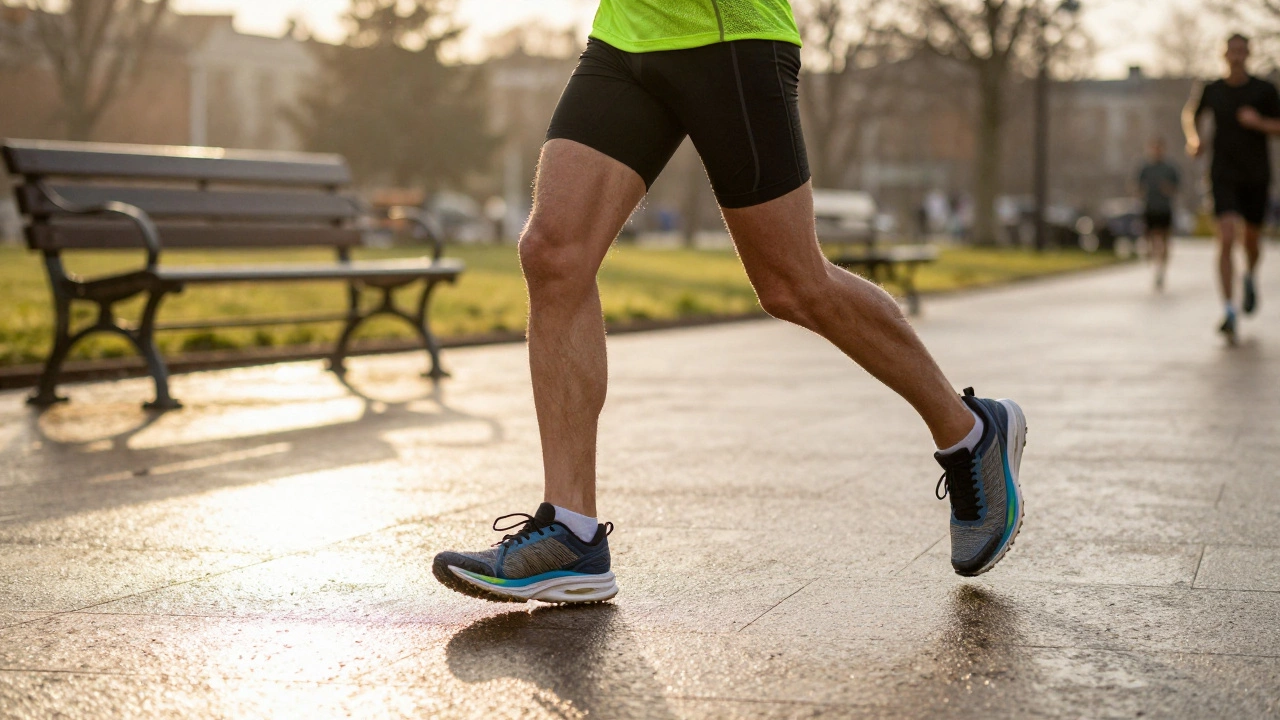
High-performance running shorts with built-in compression panels reduce muscle vibration during sprints. That means less fatigue, faster recovery, and better form over the last mile. Tennis players using vibration-dampening grips report less elbow strain-something that can prevent tennis elbow before it starts.
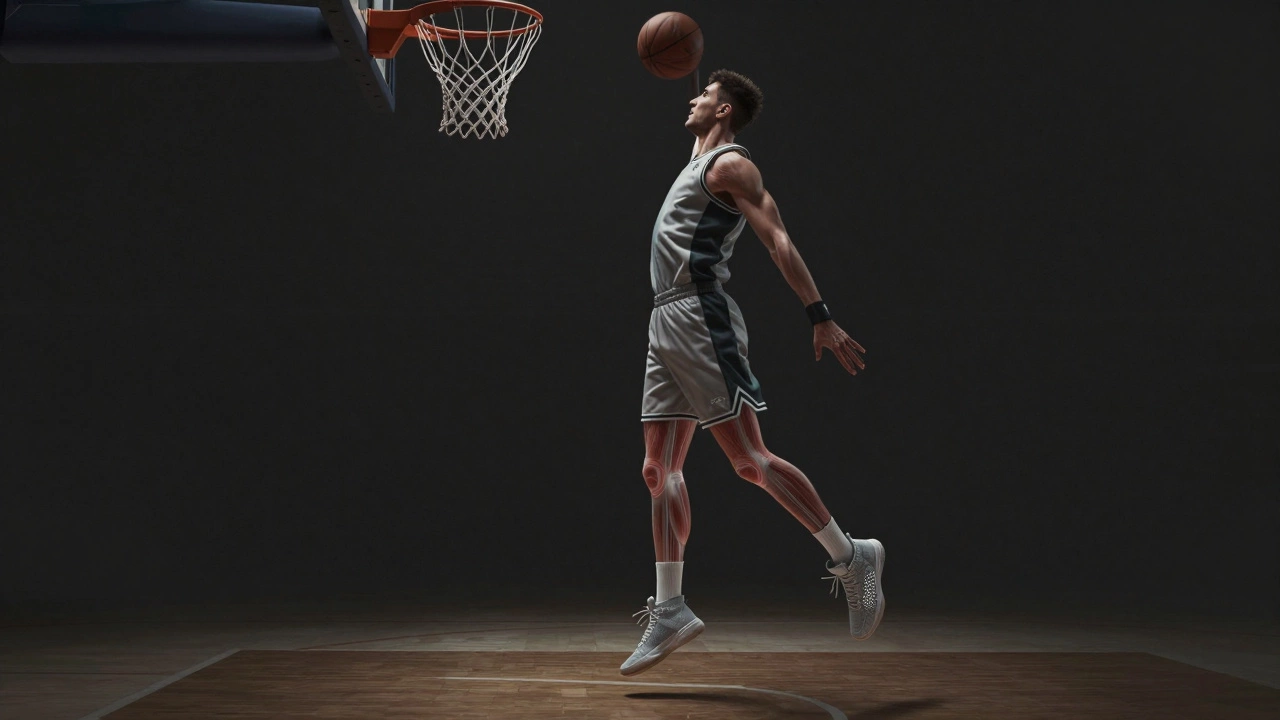
Even small details matter. A basketball with the right grip and texture improves your control by 15%, according to tests done by the National Basketball Association’s equipment lab. That’s the difference between a clean pass and a turnover.
It’s About Longevity-For You and Your Gear
Buying cheap gear might save you money now, but it costs more later. Flimsy sneakers collapse after three months. Poor-quality socks develop holes that rub blisters into your heels. A $20 yoga mat that slips during downward dog isn’t just annoying-it’s dangerous.
Good gear lasts. A pair of quality running shoes can handle 500-800 kilometers before needing replacement. A durable gym bag with waterproof lining protects your gear from rain and sweat, keeping it functional for years. When you invest in gear that’s built to last, you’re not spending more-you’re spending smarter.
It’s Not Just Physical-It’s Mental
How you feel in your gear affects how you perform. If your jersey fits right, your shorts don’t ride up, and your shoes feel locked in, you stop thinking about discomfort. That mental space is gold.
Studies in sports psychology show that athletes who feel well-equipped perform better under pressure. Why? Because they’re not distracted by gear failure. When you trust your equipment, your brain focuses on strategy, timing, and execution-not whether your socks are slipping or your knee brace is digging in.
What Happens When You Skip the Basics?
People skip gear for all kinds of reasons: it’s expensive, they think they’re fine without it, or they don’t know what to look for. But the consequences add up.
- Running in flat sneakers? Higher risk of plantar fasciitis.
- Working out in cotton shirts? Sweat-soaked fabric causes chafing and overheating.
- Playing soccer without ankle support? Sprains become routine, not rare.
- Swimming without goggles? Eye irritation, blurred vision, and lost confidence in the water.
These aren’t hypotheticals. They’re everyday stories from gyms, parks, and local leagues. One guy in Dublin stopped running for six months after developing a stress fracture-because he kept using his 2018 sneakers. He didn’t realize his midsole had lost 70% of its cushioning.
How to Choose Gear That Actually Works
You don’t need the most expensive stuff. You need the right stuff.
- Match it to your sport. Basketball shoes aren’t made for cycling. Swimwear isn’t made for hiking.
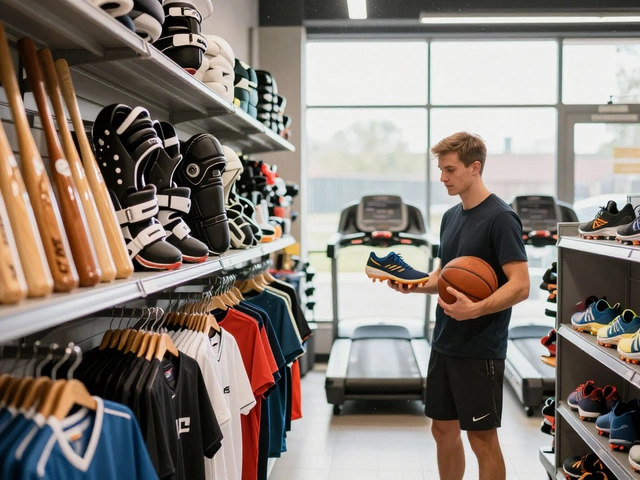
- Fit matters more than brand. Try gear on. Walk, squat, stretch. If it feels tight, loose, or weird-it’s wrong.
- Look for certifications. Helmets should have ASTM or CE marks. Running shoes should have a heel-to-toe drop that suits your gait.
- Replace worn gear. If your shoes are worn on the outside edge, your knees are paying the price.
- Ask for advice. Talk to coaches, trainers, or even staff at local sports shops. They’ve seen what works-and what doesn’t.
It’s Not About Being Fancy-It’s About Being Ready
Sports gear isn’t about trends. It’s about readiness. Whether you’re training for a marathon, playing pickup basketball, or just trying to stay active, your gear is your partner. It doesn’t cheer you on-it keeps you moving.
When you treat your equipment like part of your body, you stop making excuses. You don’t blame the cold weather or lack of time. You just put on what you need and go.
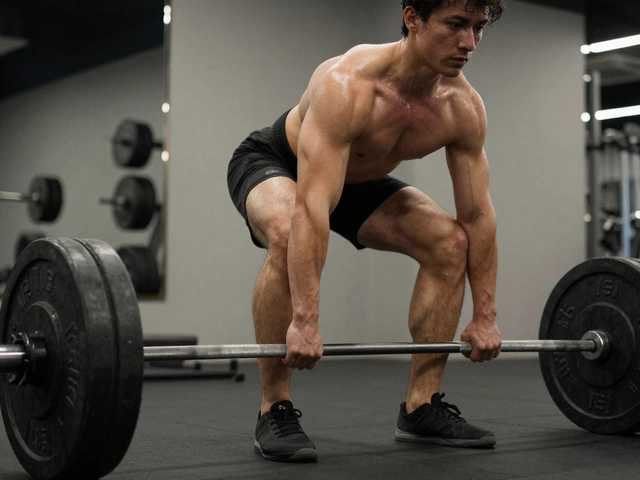
Good gear doesn’t make you faster. But it lets you run longer. It doesn’t make you stronger. But it lets you lift heavier without injury. It doesn’t guarantee wins. But it gives you the chance to show up-and stay in the game.
Is expensive sports gear always better?
No. Price doesn’t equal performance. A $150 running shoe isn’t automatically better than a $70 one if it doesn’t fit your foot or match your stride. Focus on fit, function, and durability-not brand names. Many mid-range brands offer the same tech as premium ones, just without the marketing markup.
Can I use regular clothes instead of sports gear?
You can, but you’re making it harder. Cotton shirts trap sweat, leading to chafing and overheating. Regular sneakers lack arch support and shock absorption. For light activity like a short walk, it’s fine. For anything intense or repeated, proper gear reduces injury risk and improves comfort. It’s not about luxury-it’s about efficiency.
How often should I replace my sports gear?
It depends on use. Running shoes: every 500-800 kilometers. Gym gloves: every 3-6 months if you lift regularly. Sports jerseys: as long as they hold shape and don’t tear. Helmets and protective gear: replace after any hard impact-even if there’s no visible damage. When in doubt, check for wear: cracks, flattening, fraying, or loss of grip.
Do kids need special sports gear?
Absolutely. Kids’ bodies are still growing, and their movements are less controlled. Gear designed for adults can be too heavy, too stiff, or too big. Look for youth-specific options that offer proper fit and safety features. A properly fitted helmet for a 10-year-old cyclist is just as critical as one for an adult.
What’s the most important piece of sports gear?
It depends on the sport, but footwear is often the most critical. Your feet are your foundation. Bad shoes affect your knees, hips, and back. Whether you’re running, jumping, or pivoting, your shoes are the first point of contact with the ground. Get them right, and everything else follows.
If you’re serious about staying active, your gear isn’t an expense-it’s an investment in your ability to keep moving. Don’t wait for pain to remind you. Choose wisely. Replace when needed. And never underestimate the power of the right pair of shoes, the right fit, and the right protection.