What Materials Are Used in Sports Equipment? A Practical Guide
Sports Equipment Material Matcher
Select your primary activity or concern below to see which materials offer the best balance of weight, durability, and performance for your needs.
Select a category above to view material recommendations.
You grab a tennis racket, lace up your running shoes, or pick up a rugby ball. Have you ever stopped to wonder why some gear feels light and snappy while other stuff feels heavy and durable? It’s not magic. It’s chemistry and engineering. The sports equipment is defined by the specific materials used to create it, which dictate performance, weight, and durability. Knowing what these materials are helps you buy better gear and understand why that $300 bat costs more than the $50 one.
Let’s break down the actual substances hiding inside your kit. We aren’t talking about vague marketing terms like "advanced polymer." We mean specific compounds like carbon fiber, ethylene-vinyl acetate (EVA), and titanium alloys. If you’re an athlete, a coach, or just someone who hates wasting money on bad gear, this guide gives you the concrete facts you need.
The Backbone of Modern Gear: Carbon Fiber and Composites
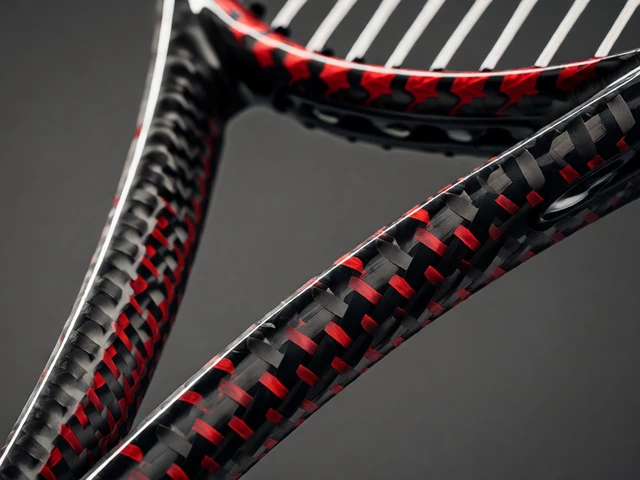
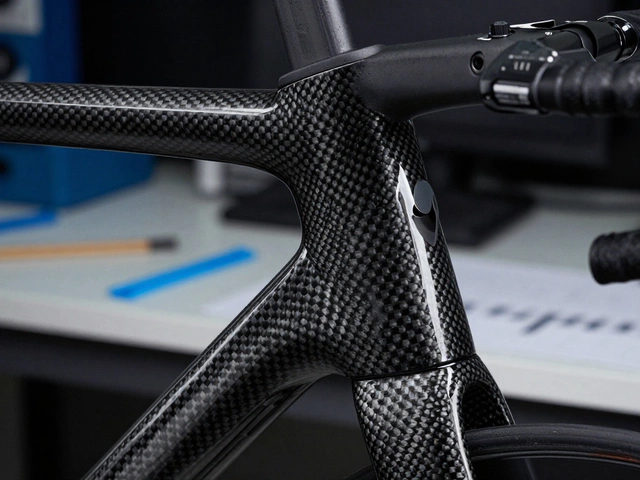
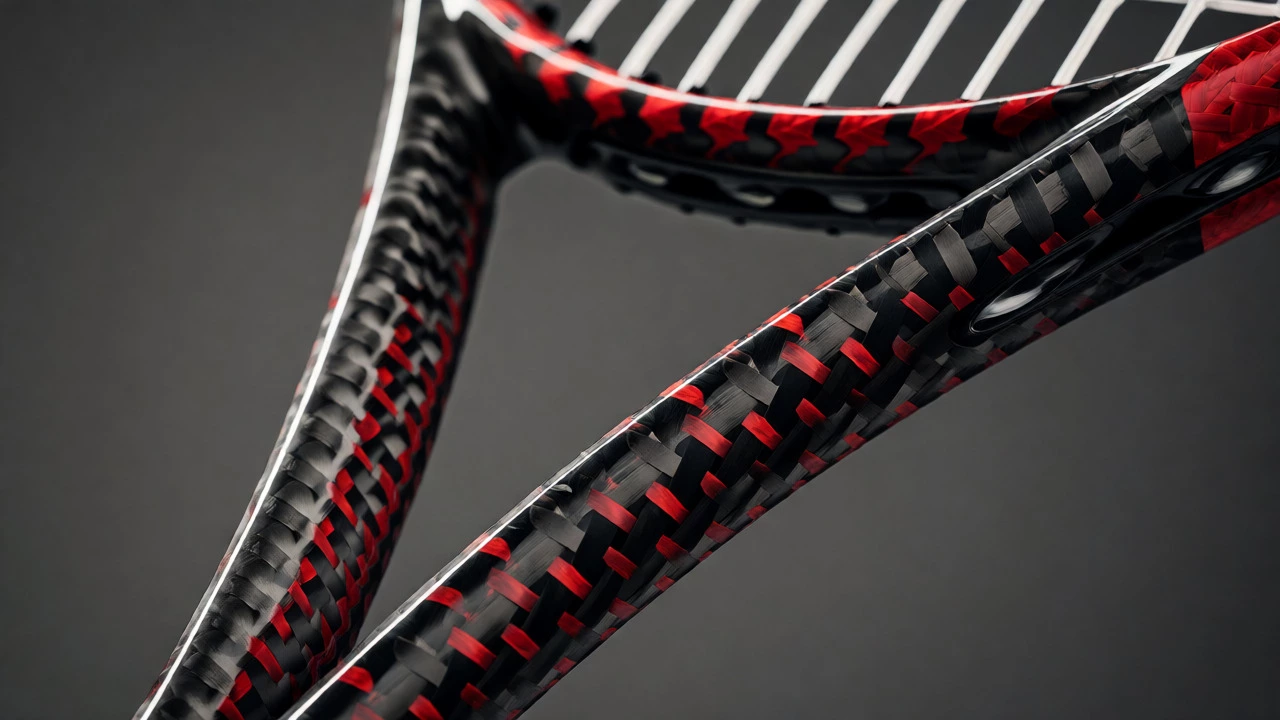
If you watch professional cycling or tennis, you’ve seen carbon fiber a high-strength, low-weight material made from thin strands of carbon atoms woven together everywhere. Why is it so popular? Because it offers an insane strength-to-weight ratio. You can make a bicycle frame lighter than aluminum but stiffer than steel. That means less energy lost when you pedal and more power transferred to the road.
But carbon fiber isn’t always pure. Most modern rackets and bats use composites. This mixes carbon fibers with resins (like epoxy) and sometimes glass or Kevlar. Glass adds flexibility, making the racket forgiving on off-center hits. Kevlar boosts impact resistance, which is great for hockey sticks that smash against boards. When you shop, look for terms like "full carbon" versus "carbon blend." Full carbon is expensive and stiff. Blends are cheaper and more flexible. Choose based on your skill level, not just the price tag.
Footwear Foundations: Foams, Rubbers, and Knits
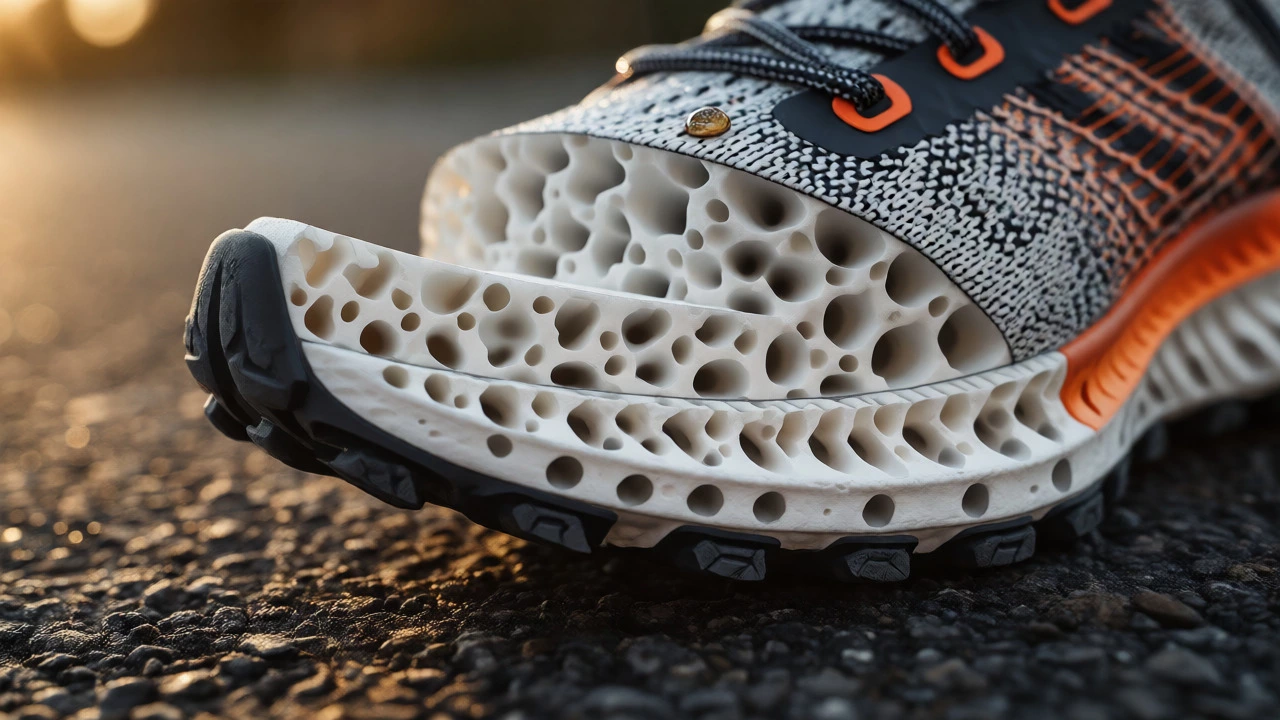
Your feet bear the brunt of every jump and sprint. Soles aren’t just rubber anymore. They’re complex layers of engineered foams. The most common cushioning material is Ethylene-Vinyl Acetate (EVA) a soft, flexible polymer used widely in shoe midsoles for shock absorption. It’s cheap, light, and absorbs impact well. But it compresses over time. After 300-500 miles, an EVA midsole loses its bounce.
To fix this, brands developed newer materials like Polyurethane (PU). PU is denser and heavier than EVA but lasts much longer. You’ll often find PU in hiking boots or basketball shoes where stability matters more than speed. Then there’s the outsole. Natural rubber provides excellent grip on clean indoor courts. Synthetic rubber blends handle outdoor abrasion better. For trail runners, look for Vibram® rubber compounds-they contain silica additives that bite into loose dirt and rock.
Up top, the upper part of the shoe has shifted from leather to engineered knits. These are synthetic yarns, usually polyester or nylon, woven into a sock-like structure. They breathe better than leather and reduce waste during manufacturing. However, they offer less lateral support. If you play tennis, you need rigid side walls. Leather or synthetic overlays provide that stability. Runners prefer the lightweight knit; court players need the structured support.
Ball Dynamics: Rubber, Leather, and Synthetics
Balls seem simple, but their construction varies wildly. Take a soccer ball. The outer layer used to be genuine leather. Today, it’s almost exclusively polyurethane (PU) or polyvinyl chloride (PVC). PU is softer and water-resistant. PVC is cheaper and tougher but gets hard in cold weather. Inside, the bladder holds the air. Latex bladders offer superior touch and rebound but leak air faster. Butyl bladders hold pressure for weeks but feel dead on impact. Professional match balls often use latex for performance; training balls use butyl for convenience.
Rugby and American footballs rely heavily on synthetic leather polyurethane-coated fabrics designed to mimic the texture and grip of animal hide while resisting moisture. Real leather swells when wet, changing the ball’s shape and weight. Synthetic skins stay consistent regardless of rain. They also feature pebbled textures molded directly into the material for better grip without needing extra tanning processes.
Hard Hitters: Metals and Alloys in Rackets and Clubs
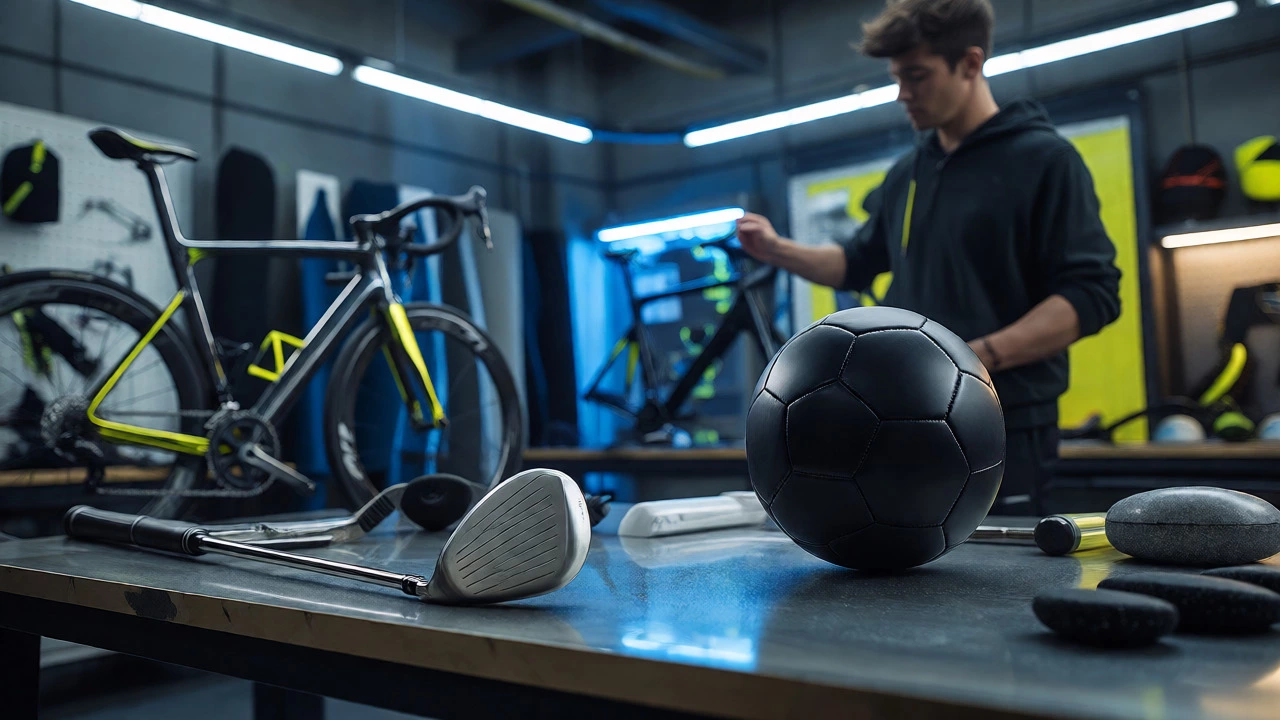
Not everything is plastic. Steel remains the king of durability for budget-friendly gear. It’s heavy, rust-prone, but virtually indestructible. Aluminum is lighter and doesn’t rust, making it standard for entry-level tennis rackets and baseball bats. But aluminum transfers more vibration to your arm, which can lead to tennis elbow.
Titanium changed the game for golf clubs and high-end rackets. Titanium is stronger than aluminum at half the weight. This allows manufacturers to make larger clubheads with thinner faces. The result? A bigger "sweet spot" and more forgiveness on mishits. However, titanium is expensive and difficult to weld. That’s why many clubs use titanium only for the face and steel for the shaft. This hybrid approach balances cost and performance.
| Material | Primary Use | Key Benefit | Major Drawback |
|---|---|---|---|
| Carbon Fiber | Cycling frames, Tennis rackets | Extremely light and stiff | Fragile under point impacts |
| EVA Foam | Running shoe midsoles | Lightweight cushioning | Degrades quickly with mileage |
| Titanium | Golf drivers, Bike parts | High strength-to-weight ratio | High manufacturing cost |
| Polyurethane (PU) | Soccer balls, Shoe uppers | Water-resistant and durable | Can feel stiff in cold weather |
| Steel | Baseball bats, Weight plates | Low cost and high durability | Heavy and prone to rust |
Protective Gear: Impact Absorption Technologies
Helmets and pads don’t just stop hits; they manage energy. Traditional foam was static-it compressed once and stayed flat. Modern helmets use Expanded Polystyrene (EPS). EPS consists of tiny closed-cell bubbles filled with gas. When you hit, the bubbles crush permanently, absorbing the kinetic energy. This is why you must replace a helmet after a significant crash. The structure is compromised.
Newer technologies like MIPS (Multi-directional Impact Protection System) add a low-friction layer between the shell and the head. This allows the helmet to rotate slightly on impact, reducing rotational forces on the brain. While MIPS uses plastic liners, the core protection still relies on EPS foam. In boxing gloves, layered foam systems combine soft outer foam for comfort with dense inner foam for protection. Some premium gloves now use gel inserts to distribute impact force more evenly across the hand.
Textiles and Fabrics: Moisture Management
Cotton kills performance. It absorbs sweat, becomes heavy, and chafes. That’s why athletic wear is dominated by synthetics. Polyester is the workhorse. It wicks moisture away from the skin to the fabric surface where it evaporates. Nylon is stronger and stretchier, often blended with polyester for leggings and compression shirts.
Spandex (also known as Lycra or Elastane) provides the stretch. Even a small percentage (5-10%) makes clothing fit tightly and move with your body. High-end jerseys might include silver ions embedded in the fibers to prevent bacterial growth and odor. This is crucial for team sports where gear is shared or washed infrequently. Always check the care label. Washing synthetic technical fabrics with fabric softener clogs the pores, ruining their wicking ability.
Making Smart Choices Based on Material Science
So, how do you use this info? Don’t just buy the most expensive item. Match the material to your activity. If you’re a casual runner, EVA foam shoes are fine. If you run marathons, look for supercritical foams or PEBA-based midsoles for longevity and return. If you play tennis, avoid all-aluminum rackets if you have arm issues; go for carbon composite or graphite.
Consider maintenance too. Carbon fiber cracks if dropped on concrete. Steel rusts if left wet. Leather needs conditioning. Synthetic materials are generally lower maintenance but may degrade faster under UV exposure. Read the reviews specifically mentioning durability. Ask yourself: Do I need this gear to last five years, or is it a seasonal upgrade? The answer determines whether you pay for titanium or stick with aluminum.
Why is carbon fiber more expensive than aluminum?
Carbon fiber requires complex manufacturing processes, including laying sheets of fiber, injecting resin, and curing them in autoclaves. Aluminum can be extruded or cast relatively easily and cheaply. Additionally, carbon fiber offers superior stiffness-to-weight ratios, allowing for higher performance designs that justify the premium price.
Are synthetic leather balls worse than real leather?
No, for most modern applications, synthetic leather is better. It does not absorb water, so the ball’s weight remains consistent in rain. It also requires no breaking-in period and maintains its shape longer. Real leather is preferred only by some traditionalists for its specific feel and natural tackiness when dry.
How long does EVA foam last in running shoes?
Typically, EVA foam midsoles begin to lose their resilience after 300 to 500 miles of running. You might notice increased joint pain or a harder landing. Factors like runner weight, running style, and storage conditions affect this lifespan. Heavier runners compress the foam faster.
What is the difference between PU and PVC in sports balls?
Polyurethane (PU) is softer, more flexible, and provides better touch and control. It is commonly used in high-end match balls. Polyvinyl Chloride (PVC) is harder, cheaper, and more durable against abrasion, making it suitable for recreational or training balls. PVC tends to become stiff in cold temperatures, whereas PU retains flexibility.
Is titanium really necessary for golf clubs?
For amateur golfers, yes, titanium drivers are beneficial. The material allows for a larger clubhead face without excessive weight, creating a larger sweet spot. This forgives off-center hits, helping average players achieve greater distance and accuracy compared to smaller steel heads.