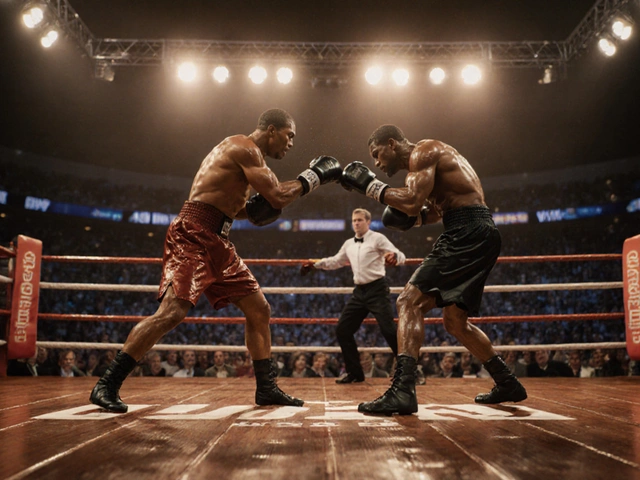
What to Call a Boxing Match? Terms, Slang, and Proper Usage
Boxing Terminology Guide & Quiz
Test Your Boxing Lingo
Select the most appropriate term for each scenario based on formal and casual conventions.
Quiz Complete!
You’re at a bar, watching two guys trade punches on TV, and your friend turns to you and asks, "Who won that boxing match?" You nod, but something feels off. Is it a match? A bout? A fight? The truth is, while everyone uses these words interchangeably in casual conversation, the boxing world has specific language for a reason. Using the wrong term can make you sound like an outsider, especially if you’re trying to impress a hardcore fan or write about the sport.
So, what do you actually call it? It depends entirely on context. Are you talking to a referee? Writing a news article? Or just chatting with friends after a Pay-Per-View event? Let’s break down the vocabulary so you never fumble the right word again.
The Official Terminology: Bout vs. Fight
If you want to sound professional, stop saying "match." In the eyes of athletic commissions and promoters, a single contest between two boxers is almost always called a bout. This isn't just pedantry; it's regulatory language. When you look at official records from organizations like the WBC, WBA, or IBF, they track "bout history," not "match history."
Why the distinction? Think of it this way: a "match" implies a broader competition, often involving teams or multiple events, like in tennis or soccer. Boxing is individual. One person against another. Therefore, bout refers to the specific encounter. However, fight is also widely accepted, particularly when emphasizing the physical conflict rather than the sporting structure. If you say, "That was a brutal fight," everyone understands you mean the action was intense. But if you say, "I'm analyzing his last three fights," you're technically correct, though analysts might prefer "bouts."
Here is a quick breakdown of how these terms differ in usage:
| Term | Context | Formality Level | Example Usage |
|---|---|---|---|
| Bout | Official records, contracts, media guides | High | "The main bout starts at 10 PM EST." |
| Fight | Casual conversation, commentary, headlines | Medium | "Did you see that fight last night?" |
| Match | Layperson speech, amateur contexts (sometimes) | Low | "They had a good match yesterday." |
| Card | The entire event containing multiple bouts | Medium-High | "The undercard featured five bouts." |
Understanding the Event Structure: Cards and Undercards
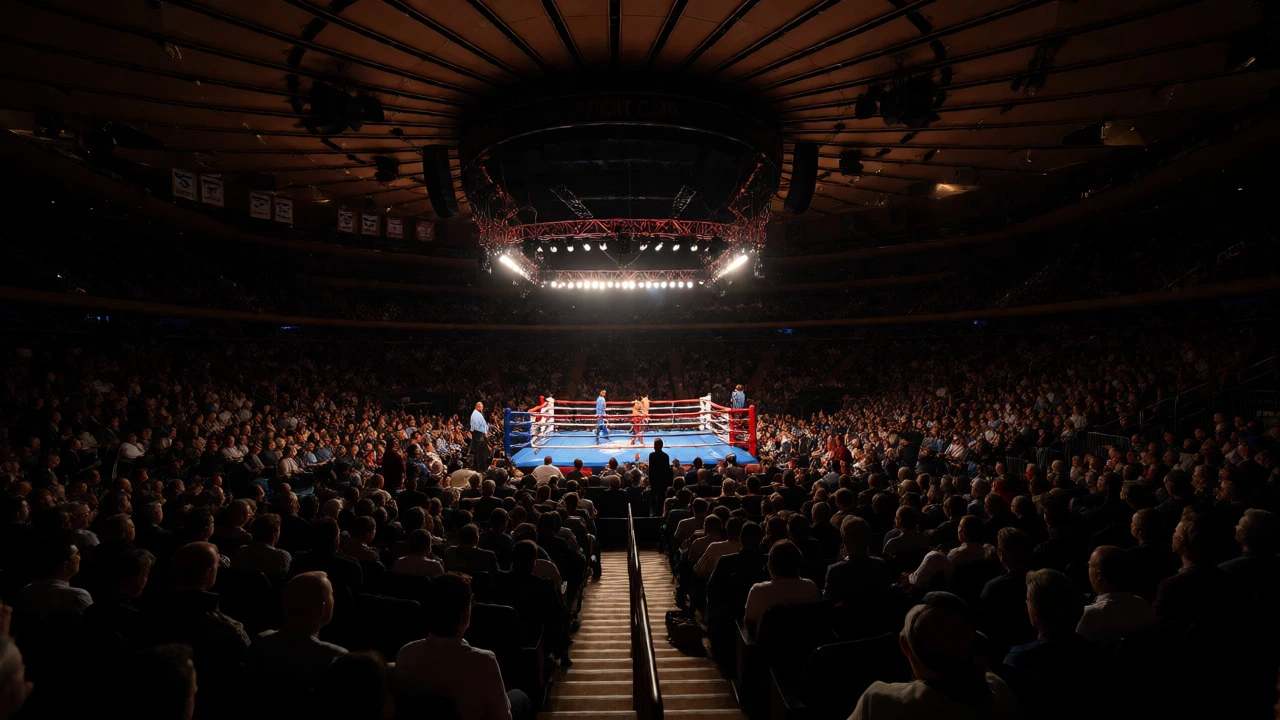
One major source of confusion comes from mixing up the individual contest with the whole evening. If you go to a venue like Madison Square Garden or attend a casino event in Las Vegas, you aren't just buying a ticket for one thing. You are buying into a fight card. This is the collection of all bouts scheduled for that night. Usually, there are four to eight fights on a card.
The most important fight on the card is the Main Event. This is the headline act, typically featuring the biggest names or title defenses. Before that, you have the Undercard. These are the earlier fights, often featuring up-and-coming prospects or regional champions. Fans who only watch the Main Event are often criticized by purists for missing the developing talent on the undercard. So, if someone asks, "Are you going to the boxing match tonight?" they likely mean the entire event. But if they ask, "Which bout are you watching?" they are asking about a specific pair of fighters.
There is also a term you’ll hear in high-level circles: the Prelims. These are the very first fights on the card, sometimes broadcast on secondary channels or streamed online before the main coverage begins. Knowing the difference between the prelims, the undercard, and the main event shows you understand how the industry packages these events for television and live audiences.
Slang and Street Language
Now, let’s get away from the rulebooks. If you’re talking to a guy who grew up around gyms, he probably doesn’t care about the word "bout." He calls it a scrap, a ruckus, or simply a war. These terms carry emotional weight. A "bout" sounds clinical. A "war" implies both fighters took damage and kept swinging. If you describe a technical decision win as a "war," fans will laugh at you because nothing was really exchanged violently.
Another common slang term is smash. You might hear, "They had a real smash in the third round." This usually refers to a specific exchange within the bout, not the whole fight. Conversely, if a fight is boring, people might call it a dog fight-though ironically, dog fights are often chaotic and messy, which some fans enjoy. A truly dull fight might be called a yawn-fest or described as having "no juice."
Then there are terms related to the outcome. Instead of saying "he lost," old-school fans might say he got "shelled" or "cooked." If a fighter wins easily, they didn't just "win the match"; they "took him apart" or "gave him a lesson." Using these verbs paints a clearer picture than just stating the result. For example, saying "Canelo Alvarez dismantled his opponent" tells you more about the quality of the performance than "Canelo won the bout."
Amateur vs. Professional Naming Conventions
It’s worth noting that the terminology shifts slightly between amateur and professional boxing. In the Olympics or USA Boxing tournaments, you might hear the term contest used more frequently. Amateur boxing focuses heavily on points and clean scoring, so the language reflects that structured environment. Coaches might talk about "scoring the contest" rather than "winning the fight."
In the pros, the stakes are financial and reputational, so the language becomes more aggressive. Promoters use hype-driven terms. They don’t sell a "bout"; they sell a "clash" or a "showdown." When you see posters for upcoming events, look at the verbs. "Alvarez vs. Golovkin III: The Trilogy Continues." Notice they avoid the word match entirely. They frame it as a narrative arc. As a viewer or writer, adopting this promotional language helps align your expectations with the entertainment value being sold.
However, be careful with overusing hyperbole. Calling every minor regional title fight a "superfight" dilutes the meaning. Historically, a superfight involved two undisputed champions or massive crossover stars. Today, promoters slap the label on anything to boost pay-per-view buys. Recognizing this marketing tactic allows you to separate genuine historical significance from manufactured hype.
How to Describe Specific Types of Bouts
Not all contests are created equal, and the name you use should reflect the nature of the engagement. Here are a few specific types and how to refer to them correctly:
- Title Fight: Any bout where a championship belt is on the line. You wouldn't call a non-title tune-up fight a "title fight," even if it features a former champion.
- Tune-Up: A low-stakes fight designed to give a contender ring time before a big test. Fans often dismiss these as "filler," but they are crucial for staying active.
- Scrimmage: Sometimes used in training contexts, but rarely for actual public bouts. Don't confuse a gym spar with a sanctioned fight.
- Exhibition: A bout that does not count toward official records. Often done for charity or comeback attempts. Mike Tyson’s recent exhibition fights are prime examples. Technically, no winner is recorded officially.
Using the right descriptor adds credibility. If you tell someone, "I watched his tune-up last month," they know to temper their expectations regarding his performance level compared to his next title defense. Precision matters.
Common Mistakes to Avoid
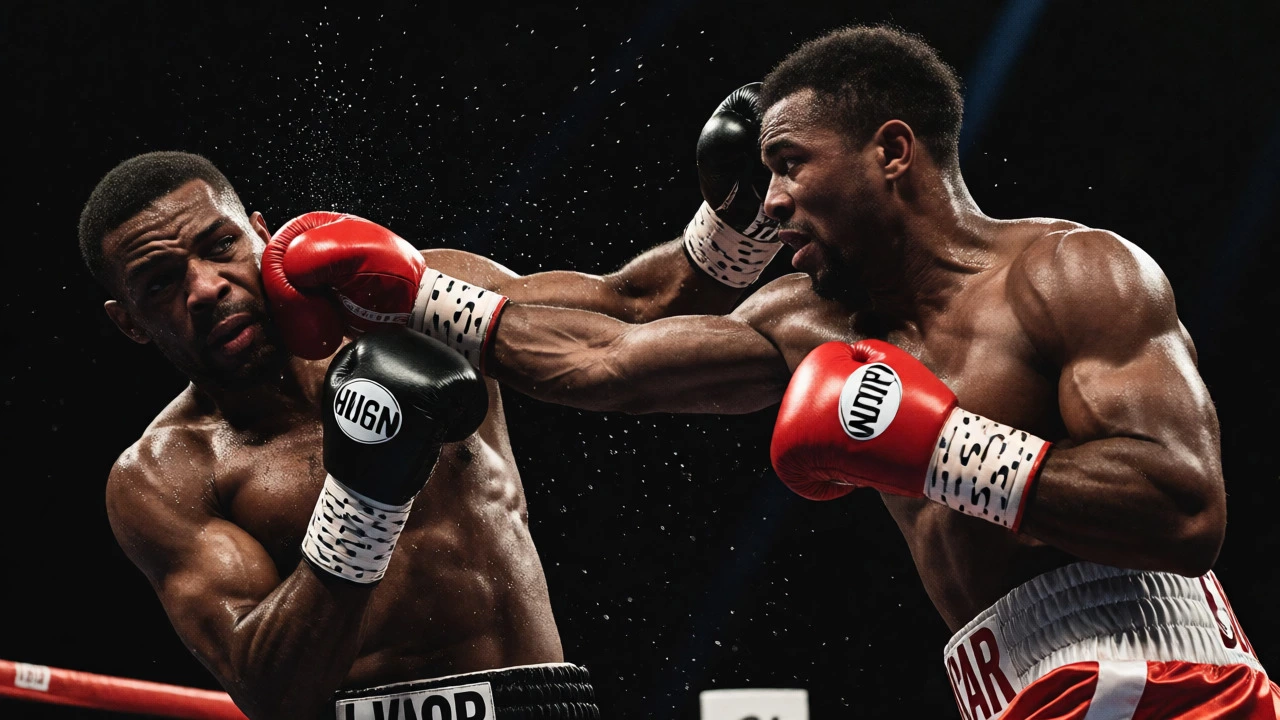
The biggest error newcomers make is calling the rounds matches. A boxing match consists of rounds (usually 3 minutes each). Saying "they played three matches" is incorrect. You say "they fought three rounds." Another mistake is confusing the referee with the judges. The referee stops the fight; the judges score it. If you argue about a decision, you’re arguing with the judges, not the ref.
Also, avoid calling a knockout a "TKO" unless it was stopped by the referee or doctor. A straight knockout (KO) means the fighter couldn't rise by the count of ten. A Technical Knockout (TKO) means the fight was stopped to prevent further damage. While casual fans use TKO for any stoppage, true enthusiasts notice the difference. It affects how we rate a fighter’s durability and power.
Final Thoughts on Boxing Vocabulary
Language in boxing is layered. There’s the bureaucratic layer (bouts, cards, commissions), the journalistic layer (fights, clashes, showdowns), and the street layer (scraps, wars, smashes). None is "wrong," but each serves a different audience. If you’re writing a formal report, stick to bout. If you’re tweeting about a thrilling finish, call it a war. If you’re inviting a date to dinner and a viewing party, invite them to a fight night.
Mastering this lexicon doesn’t just make you sound smarter; it helps you communicate exactly what kind of experience you’re expecting. Are you looking for technical skill? Ask for a "tactical bout." Want chaos? Ask for a "slugfest." The words shape the expectation, and in boxing, expectations drive everything from ticket sales to betting lines.
Is it correct to call a boxing match a game?
No, boxing is not considered a "game" in standard terminology. Games imply recreational play or team sports with balls/pucks. Boxing is referred to as a "sport," "combat sport," or specifically a "bout" or "fight." Using "game" makes you sound unfamiliar with the sport.
What is the difference between a bout and a fight?
A "bout" is the formal, administrative term for a single contest between two boxers, used in contracts and official records. A "fight" is the colloquial term focusing on the physical action. They refer to the same event, but "bout" is neutral and official, while "fight" is descriptive and emotional.
What do you call the whole boxing event?
The entire event consisting of multiple bouts is called a "fight card" or simply "the card." The most prominent fight on the card is the "Main Event," while the preceding fights are the "undercard" or "prelims." People often say they are attending a "boxing show" or "fight night."
Why do commentators say 'action' instead of 'fight'?
Commentators use "action" to refer to specific exchanges of punches within a round, rather than the entire contest. Saying "there was great action in the fourth round" highlights a period of intense activity, whereas saying "there was a great fight" refers to the overall quality of the entire bout.
Can I call an amateur boxing contest a match?
While less precise, "match" is occasionally used in amateur settings, especially in multi-team competitions like dual meets. However, even in amateur boxing, "bout" or "contest" remains the preferred terminology among coaches and officials to maintain consistency with professional standards.