Where Is Rugby Most Popular? Top Countries & Regions Ranked
Rugby Popularity Explorer
Select a region below to view detailed statistics on player numbers, primary codes, and cultural impact based on recent global data.
You might think rugby is everywhere. But walk into a bar in Manchester on a Saturday afternoon, and you’ll hear football chatter. Go to New Zealand, though, and the air hums with anticipation for the All Blacks. The sport’s footprint is uneven, heavily concentrated in specific corners of the globe. If you’re wondering where the game actually lives and breathes, you need to look beyond just who wins the World Cup. Popularity isn’t just about trophies; it’s about participation numbers, TV viewership, cultural integration, and economic impact.
This guide breaks down exactly where rugby is most popular right now. We aren’t just guessing based on vibes. We are looking at hard data from World Rugby, national union reports, and broadcast metrics as of late 2026. Whether you’re planning a trip to catch a match or trying to understand the global sports landscape, this breakdown tells you where the ball really rolls.
The Heartland: New Zealand and the Pacific Islands
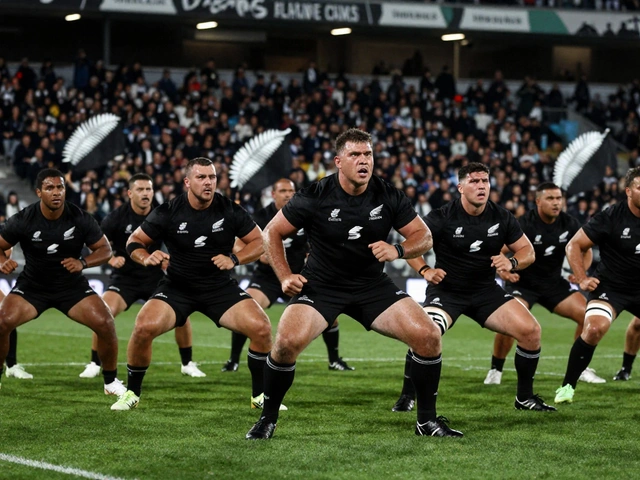
If there is one place where rugby is less a sport and more a religion, it’s New Zealand. The connection here is visceral. The All Blacks aren’t just a team; they are a national symbol of identity, resilience, and excellence. Rugby Union is the dominant code here, but Rugby League also has a passionate following, particularly among Māori communities.
New Zealand boasts one of the highest per-capita participation rates in the world. According to Sport New Zealand, over 150,000 people play organized rugby annually in a country of just five million. That’s roughly 3% of the entire population actively playing. The Super Rugby Pacific competition drives massive local engagement, filling stadiums like Eden Park to capacity regularly.
Next door, the Pacific Islands-Fiji, Samoa, and Tonga-operate differently. Here, rugby is an escape route and a source of immense pride. In Fiji, Sevens rugby is arguably more popular than XVs because of its fast-paced nature and lower infrastructure requirements. These nations punch way above their weight in international competitions, often producing world-class talent that migrates to European and Northern Hemisphere leagues. The cultural significance is profound; a win by the Flying Fijians can halt daily life across the islands.
The Traditional Strongholds: UK and Ireland
Cross the ocean, and you hit the historic heart of the game. The Six Nations tournament is the oldest continuous international championship in the world, and it keeps interest alive year-round. But not all home nations are equal when it comes to current popularity trends.
Ireland has seen a meteoric rise in rugby enthusiasm since 2018. The Irish Rugby Football Union (IRFU) reported record attendance figures for both domestic provincial matches and international tests. Dublin alone hosts tens of thousands of fans every weekend during the league season. The success of Leinster, Munster, Connacht, and Ulster in the United Rugby Championship has created a fierce, healthy rivalry that keeps casual fans engaged.
In England, the picture is split. The south and southwest have traditional strongholds, while the north leans heavily toward Rugby League. However, the English Premiership remains one of the wealthiest and most competitive club competitions globally. Harlequins, Saracens, and Leicester Tigers draw significant crowds. Yet, compared to football, rugby’s grassroots participation in England has stagnated slightly, struggling to compete with soccer’s accessibility.
Scotland and Wales remain fervent supporters. Wales, in particular, treats rugby as its primary national sport. Despite economic challenges, Welsh regional teams maintain loyal fanbases, and the Millennium Stadium in Cardiff regularly sells out for Six Nations matches. For many Welsh families, attending a match is a weekly ritual passed down through generations.
The Southern Hemisphere Giants: South Africa and Australia
South Africa presents a unique case. Rugby is no longer just a white minority sport; it has become a unifying force for the nation. Since the Springboks’ World Cup victories, participation among Black South Africans has surged. The transformation of the team’s demographic makeup mirrors the country’s social changes. Today, rugby is arguably the most watched sport in South Africa, rivaling cricket for dominance.
South Africa benefits from the United Rugby Championship (URC), which allows four professional franchises to compete against European sides. This exposure has boosted commercial viability and fan engagement. Cities like Cape Town and Johannesburg host massive events, including the annual Castle Lager Investec Sharks vs. Lions derby, which draws electric atmospheres.
Australia maintains a robust rugby culture, primarily centered in Queensland and New South Wales. The Wallabies command respect, but they face stiff competition from Australian Rules Football and Rugby League. Rugby Union struggles for mainstream attention outside of major metropolitan areas. However, the National Rugby Championship (NRC) and Super Rugby continue to develop talent. Sydney and Brisbane remain key hubs, with Suncorp Stadium being a fortress for big games.

Emerging Markets and Unexpected Hotspots
Rugby isn’t static. New markets are growing rapidly, driven by investment and strategic partnerships. Japan stands out as the most successful non-traditional market. Hosting the 2019 World Cup left a lasting legacy. Japanese corporate teams invest heavily in the game, attracting high-profile international players. The Japan Rugby League One has become a lucrative destination for retired stars, keeping visibility high.
Georgia has emerged as a powerhouse in Europe. Known for their scrum strength, Georgian teams consistently challenge top-tier nations. Rugby is the second most popular sport after football, with intense passion evident in Tbilisi. The state supports development programs, aiming to make Georgia a permanent fixture in the top ten rankings.
Italy has also made strides. While historically considered the weakest of the Six Nations, recent performances have sparked renewed interest. Clubs like Benetton Treviso and Zebre Parma are gaining traction, and youth participation is rising. The Italian government has invested in school programs to broaden the base.
| Region/Country | Primary Code | Estimated Active Players | Cultural Significance | Major Competitions |
|---|---|---|---|---|
| New Zealand | Rugby Union | ~150,000 | National Identity | Super Rugby Pacific, Bunnings NPC |
| Ireland | Rugby Union | ~120,000 | High Community Engagement | URC, Six Nations |
| South Africa | Rugby Union | ~250,000+ | Social Unifier | URC, Currie Cup |
| England | Union & League | ~400,000 (Combined) | Regional Split | Premiership, NRL |
| Japan | Rugby Union | ~100,000 | Corporate Culture | League One, Top Challenge |
| Fiji | Sevens & Union | ~30,000 | National Pride | World Rugby Sevens Series |
Why Rugby Struggles to Go Global
Despite its passionate following, rugby hasn’t achieved the global ubiquity of football or basketball. Why? Complexity is the main barrier. The rules of Rugby Union are intricate, involving rucks, mauls, scrums, and complex penalty structures. New fans often struggle to follow the flow of play without commentary guidance. This steep learning curve limits rapid adoption in new markets.
Physicality also plays a role. Parents in emerging markets often steer children toward safer alternatives due to concussion concerns. While player welfare protocols have improved significantly, the perception of risk remains. Additionally, the cost of equipment and field maintenance is higher than for football, making grassroots expansion expensive in developing nations.
Media rights distribution further complicates growth. Major broadcasters prioritize established markets, leaving little room for coverage in Asia or the Americas. Without consistent TV exposure, potential fans never get hooked. The World Rugby strategy focuses on growing the women’s game and Sevens formats to address these issues, offering faster, more accessible entry points for new audiences.
The Rise of Women’s Rugby
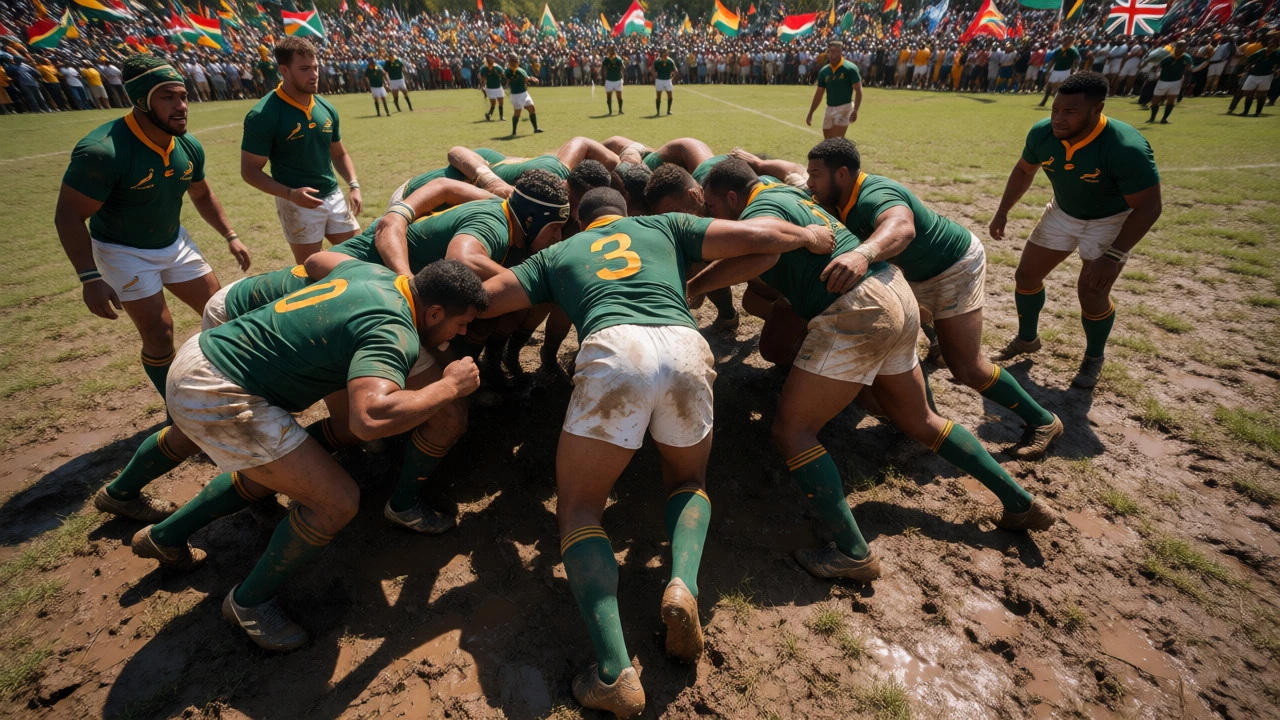
You cannot discuss modern rugby popularity without highlighting the explosive growth of the women’s game. The 2021 and 2025 World Cups shattered attendance records. In England, the Red Roses drew over 80,000 fans to Twickenham. This surge isn’t just a blip; it’s a structural shift. Participation rates for girls and women have doubled in many traditional strongholds over the last decade.
Women’s Rugby is now a priority for unions worldwide. Professional contracts are becoming standard in top nations like England, France, and New Zealand. This professionalism attracts media sponsors and increases visibility. For many young girls, seeing female athletes succeed creates a direct pathway to participation. It’s one of the few areas where rugby is outpacing other major team sports in growth metrics.
How to Experience Rugby Where It’s Most Popular
If you want to feel the pulse of the game, timing matters. The best window is February to March during the Six Nations in Europe, or August to October during the Rugby Championship in the Southern Hemisphere. Club seasons run parallel, so you can always find action.
- Dublin, Ireland: Visit Aviva Stadium for an Ireland test match. Book tickets months in advance. Afterward, explore the Temple Bar area, where fans gather regardless of the weather.
- Auckland, New Zealand: Catch an All Blacks match at Eden Park. Arrive early to experience the Haka performance, which is electrifying in person.
- Cape Town, South Africa: Watch the Stormers at DHL Stadium. Combine it with a visit to Table Mountain for a full weekend experience.
- Tokyo, Japan: Attend a League One match. The atmosphere is respectful yet energetic, showcasing the disciplined culture of Japanese rugby.
Remember, rugby fans are famously welcoming. Unlike some football cultures, hooliganism is rare. You’ll likely be invited to join a pub conversation if you wear a jersey. Engaging with locals enhances the experience far more than just watching from a seat.
Which country has the most rugby players?
France and England typically report the highest absolute numbers of registered players due to larger populations and extensive club networks. However, New Zealand and Ireland lead in per-capita participation rates, meaning a higher percentage of their smaller populations actively play the game.
Is rugby popular in America?
Rugby is a niche sport in the USA but is growing steadily. College rugby has a strong foundation, and Major League Rugby (MLR) provides a professional platform. Interest spikes during World Cup years, but it still lags behind American football, basketball, and baseball in mainstream viewership.
What is the difference between Rugby Union and Rugby League?
Rugby Union features 15 players per side and emphasizes set pieces like scrums and lineouts. Rugby League has 13 players per side, faster gameplay, and fewer stoppages. League is more popular in northern England, Australia, and parts of the Pacific Islands, while Union dominates globally.
Which continent loves rugby the most?
Oceania has the highest concentration of rugby passion relative to population size. New Zealand, Australia, and the Pacific Islands treat the sport as central to national identity. Europe follows closely, with strong traditions in the UK, Ireland, France, and Italy.
Is rugby growing in Asia?
Yes, particularly in Japan, which hosted the 2019 World Cup. Japan’s corporate league system attracts international talent, boosting visibility. Other Asian nations like Singapore, Hong Kong, and China are investing in development programs, though participation levels remain modest compared to traditional strongholds.